How Often Should You Water Your Scots pine?
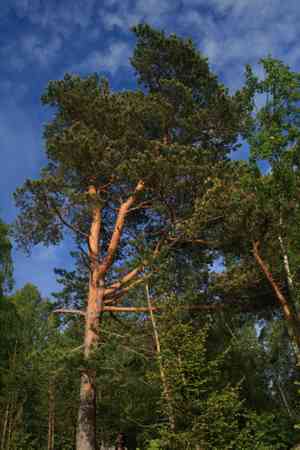
1
Provide moisture to your Scots pine weekly, adjusting volume according to soil dampness and seasonal factors.
2
Employ a soil moisture sensor to confirm the soil is neither parched nor waterlogged.
3
Deep irrigation is the favored watering technique for Scots pine, over frequent shallow applications.
Grasping the Hydration Requirements of Scots Pine
Evaluating Soil Dampness for Optimal Moisture
For your Scots pine to flourish, comprehending its watering demands is vital. A key method involves assessing soil moisture. Scots pine thrives in well-drained soil, so always inspect the top 5-10 cm (2-4 inches) of earth. It should be slightly damp but not waterlogged. Employing a soil moisture meter is a useful device to prevent excessive or insufficient watering.
The Influence of Seasonal Shifts on Watering Practices
Seasonal variations significantly impact the watering routines for your Scots pine. During spring and summer, the tree's active growth period, you'll find a need for more frequent irrigation due to increased evaporation rates. Conversely, in fall and winter, watering frequency should be reduced as the plant enters a dormant phase. Always adjust your watering schedule to the plant's natural rhythm and environmental changes.
Effective Watering Strategies for Your Scots Pine
Tools and Methods for Efficient Hydration
Efficiently watering your Scots pine involves selecting the appropriate tools and techniques. A soaker hose or drip irrigation system can be highly effective, delivering water directly to the root zone without waste. Manual watering can also be successful, but ensure even distribution around the tree's base. Avoid wetting the foliage to minimize the risk of fungal diseases.
Thorough Watering Versus Frequent Shallow Watering
Deep watering is generally preferred for Scots pine over frequent light watering. This approach promotes robust root development, making the tree more resilient to drought. Apply sufficient water to moisten the soil to a depth of approximately 30 cm (12 inches). This can be achieved by watering slowly and allowing the soil to absorb the moisture gradually.
Common Watering Errors to Avoid with Scots Pine
Excessive Watering and Its Impact on Scots Pine
Overwatering is a frequent error that can severely harm your Scots pine's health. Too much water deprives roots of oxygen, leading to root rot and poor nutrient absorption. Symptoms include yellowing needles, wilting, and stunted growth. Ensure proper drainage and avoid watering when the soil is already moist.
Indicators of Insufficient Watering and Remedial Actions
Underwatering is equally damaging. Signs include dry, brittle needles, browning tips, and overall wilting. To correct this, water more thoroughly and regularly check soil moisture. Applying mulch can help retain soil moisture and protect roots from temperature extremes.



