How Often Should You Water Your Balloon flower?
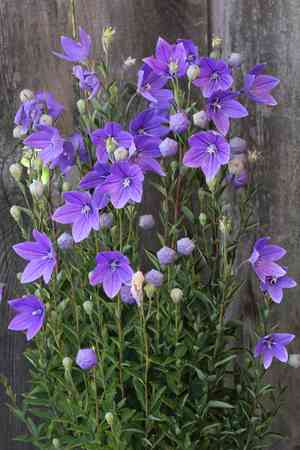
1
Provide your Balloon flower with water weekly to maintain steady hydration.
2
Prior to watering, always assess soil dampness to prevent excessive irrigation.
3
In warmer periods, Balloon flower might need more frequent hydration.
Understanding the Hydration Requirements of Balloon flower
Elements Affecting Water Demands
Several elements impact the amount of water your Balloon flower needs. These include the type of soil, the plant's age, and environmental conditions. For example, sandy soils drain quickly and might need more frequent watering, while clay soils hold moisture longer. The plant's maturity also matters â young Balloon flowers require more frequent watering as their root systems develop. Additionally, factors like light exposure, humidity, and wind can influence how fast the soil dries out.
Seasonal Changes in Watering
The watering needs of Balloon flower can fluctuate with the seasons. During spring and summer, when the plant is actively growing and flowering, it will demand more water. Conversely, in autumn and winter, the plant's growth slows, and its water requirements decrease. In these cooler months, you might need to reduce watering to prevent root saturation.
Effective Watering Practices for Your Balloon flower
Correct Watering Methods
When hydrating your Balloon flower, it's crucial to water the soil directly, not the foliage. This helps prevent diseases and ensures the roots get sufficient moisture. Use a watering can with a long spout or a hose with a gentle spray nozzle to water at the plant's base. Allow the water to penetrate deeply into the soil, promoting robust root development. Apply water slowly to allow for thorough absorption by the soil.
Indicators of Excessive and Insufficient Watering
Recognizing the signs of overwatering and underwatering is vital for maintaining a healthy Balloon flower. Overwatered plants may show yellowing leaves, soft stems, and root rot. Conversely, drooping leaves, dry soil, and stunted growth can signal underwatering. Regularly observing your plant's appearance and soil moisture can help you identify and correct these issues promptly.
Maintaining Optimal Moisture Levels
Mulching and Other Moisture Retention Strategies
To help retain soil moisture, consider applying mulch around your Balloon flower. A 2-3 inch layer (5-7 centimeters) of organic mulch, such as bark, compost, or straw, can reduce water evaporation and keep the soil cool. Mulch also helps suppress weeds that compete for water. Furthermore, using a soil moisture meter can assist in more precise watering based on actual soil conditions.
Assessing Soil Moisture Levels Before Irrigation
Before watering your Balloon flower, always check the soil's moisture level. Insert your finger about 2 inches (5 centimeters) into the soil near the plant. If it feels dry at this depth, it's time to water. Alternatively, you can use a soil moisture meter for more accurate readings. Avoid watering if the soil feels moist to prevent root saturation.



