How Often Should You Water Your Chickasaw plum?
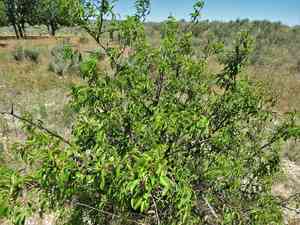
1
Provide moisture to your Chickasaw plum bi-weekly during its vigorous growth period for peak vitality.
2
Prevent excessive watering of your Chickasaw plum by confirming adequate soil drainage.
3
During warm periods, elevate irrigation frequency to every third day to avert desiccation.
Understanding the Hydration Needs of Chickasaw Plum
The Specific Moisture Requirements of Chickasaw Plum
Chickasaw plum, known scientifically as Prunus angustifolia, is a robust and adaptable plant, making it a popular choice in many gardens. Originating from North America, this shrub thrives in various environments, from woodlands to open areas. However, to ensure its healthy growth and abundant fruit production, comprehending its hydration needs is crucial. Chickasaw plum prefers consistently moist soil, particularly during its active growth period in spring and summer. Although it's quite drought-tolerant once established, consistent watering can aid in developing a strong root system in its early stages.
Indicators of Excessive and Insufficient Watering in Chickasaw Plum
Proper watering is essential for the well-being of your Chickasaw plum. Symptoms of overwatering include yellowing foliage, root decay, and an overall unhealthy appearance. Conversely, underwatering is evidenced by wilting leaves, dry and cracked earth, and stunted development. Closely observing these signs will help you modify your watering regimen accordingly, ensuring the plant's longevity and productivity.
Optimal Practices for Watering Chickasaw Plum
When to Irrigate: Timing and Regularity
A general guideline for watering Chickasaw plum is to irrigate it twice weekly. The best times to water are in the early morning or late afternoon, allowing moisture to permeate the soil before the day's heat causes evaporation. Consistent watering during these periods helps maintain steady soil moisture, vital for robust root development.
Quantity of Water to Apply Each Time
It's important to provide deep irrigation rather than superficial sprinkling. Aim to supply approximately 5 liters (about 1.3 gallons) of water per session for a young plant. For mature plants, ensure the water penetrates at least 30 centimeters (around 12 inches) deep. This thorough watering encourages roots to grow deeper into the soil, making the plant more resilient to dry periods.
Adjusting Watering by Season and Climate
Summer Watering Schedule for Chickasaw Plum
During the summer months, Chickasaw plum requires more frequent watering due to elevated evaporation rates. Increase the frequency to once every three days, especially during periods of intense heat. Applying mulch around the base can also help retain soil moisture, keeping the roots cool and hydrated throughout the warm season.
Winter Water Management for Chickasaw Plum
In winter, the watering requirements of Chickasaw plum significantly decrease. The plant is in its dormant phase, so water sparingly, only once every two weeks if there is no precipitation. Excessive water during this period can lead to root rot as the cold soil retains moisture longer. Always check the soil moisture levels before watering during winter.
The Influence of Soil on Watering Chickasaw Plum
Selecting the Appropriate Soil for Optimal Water Retention
The type of soil you plant your Chickasaw plum in significantly impacts its watering needs. Well-draining soil enriched with organic matter is ideal. Compost or mulch can enhance water retention while ensuring excess water drains away, preventing waterlogging and root rot. This balance is crucial for maintaining healthy hydration levels.
How Soil Composition Affects Watering Frequency
Sandier soils will necessitate more frequent watering due to their rapid drainage, whereas clay soils hold water longer but can easily become compacted. Adjust your watering schedule based on your soil type: more frequent watering for sandy soils and careful monitoring for clay soils to prevent over-saturation. Regularly testing soil moisture levels can help make these adjustments more accurately.



