How Often Should You Water Your Carolina cherry laurel?
1
Provide water to your Carolina cherry laurel about once a week for optimal health.
2
Applying mulch around the plant's base aids in keeping soil moist and lessens the need for frequent watering.
3
Good drainage is essential; confirm the soil drains effectively to prevent saturation.
Grasping the Moisture Requirements of Carolina cherry laurel
Fundamental Hydration Principles for Carolina cherry laurel
The Carolina cherry laurel, prized for its rich foliage and fragrant blossoms, demands consistent moisture to sustain its health and vibrancy. This evergreen shrub, native to the southeastern U.S., flourishes in well-draining soil with regular irrigation. Maintaining equilibrium is vital, as both excessive and insufficient watering can harm the plant. Achieving the correct balance, typically a weekly watering regimen, promotes a robust root system and encourages vigorous growth.
Elements Influencing Water Demands
Several elements impact the water volume your Carolina cherry laurel requires. These encompass soil composition, climate, and the plant's developmental stage. In sandy soils, water tends to drain rapidly, potentially necessitating more frequent irrigation. Conversely, clay soils retain moisture longer, possibly extending the intervals between waterings. Climate also plays a key role; hotter and windier conditions can dry out the soil faster, requiring more frequent watering. Lastly, younger plants and those establishing themselves need more consistent watering compared to mature, well-established specimens.
Properly Irrigating Carolina cherry laurel
Optimal Methods for Effective Watering
When watering your Carolina cherry laurel, aim to deliver moisture directly to the root zone. Soaker hoses and drip irrigation systems are highly effective, providing consistent moisture without wetting the foliage, which can help prevent fungal diseases. Early morning is the best time to water, allowing the plant to absorb moisture before the day's heat. Ensuring water penetrates deeply into the soil encourages deeper root growth, making the plant more drought-resistant. Mulching around the base can also help retain moisture and reduce irrigation frequency.
Avoiding Common Watering Errors
A frequent error is shallow watering, which fosters weak, superficial roots and leaves the plant susceptible to drought stress. Ensure thorough watering, allowing moisture to permeate several inches into the soil. Another mistake is over-watering, which can suffocate roots and lead to root rot. Monitor soil moisture by inserting your finger about an inch deep; if it feels dry, it's time to water. Proper drainage is also crucial. Plant your Carolina cherry laurel in well-draining soil or raised beds to prevent standing water, which can be detrimental to the plant.
Indicators of Adequate Hydration in Carolina cherry laurel
What a Properly Watered Carolina cherry laurel Looks Like
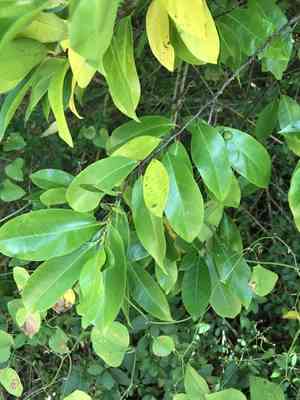
A well-hydrated Carolina cherry laurel will exhibit vibrant green leaves that are firm and upright. You'll observe new growth appearing regularly, and the plant should bloom beautifully in its flowering season. The soil should feel moist but not waterlogged. Proper hydration helps the plant maintain its overall vigor, leading to a lush and healthy appearance. Consistent watering supports the plant's resilience against pests and diseases, ensuring it remains a stunning feature in your garden.
Signs of Excessive and Insufficient Watering
Symptoms of over-watering in the Carolina cherry laurel include yellowing leaves, a decaying odor from the soil, and the presence of mold or mildew. If the plant's roots are waterlogged for too long, it can result in root rot, which is often fatal. Conversely, under-watering manifests as wilting leaves, brown tips, and dry, crumbly soil. In severe cases, the plant may shed its leaves to conserve water. Monitoring the plant's response to your watering schedule and adjusting as needed is crucial for maintaining its health.



