How Often Should You Water Your Japanese cherry?
1
Irrigate Japanese cherry trees bi-weekly to sustain ideal hydration levels.
2
Employ a soil moisture sensor to confirm the ground surrounding your Japanese cherry remains sufficiently damp, yet not oversaturated.
3
Modify irrigation frequency according to seasonal shifts and climatic factors.
Grasping the Hydration Requirements of Japanese Cherry Trees
Fundamental Water Needs
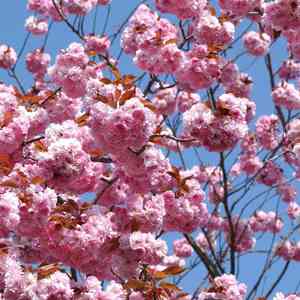
The Japanese cherry, a cherished decorative tree renowned for its spectacular spring blooms, demands specific watering to flourish. Typically, these trees prefer thorough irrigation twice weekly, especially during their active growth phase. This ensures roots receive ample moisture, particularly in dry spells. When watering, aim for a soil penetration of at least 8 to 12 inches (20 to 30 centimeters) to fully hydrate the root system.
Seasonal Watering Adjustments
Irrigating your Japanese cherry tree changes with the seasons. In spring and summer, the tree needs more frequent watering due to warmer temperatures and vigorous growth. Conversely, during cooler autumn and winter months, decrease watering frequency as the tree's moisture demands lessen. Consistent observation and adjustments based on seasonal shifts are vital for tree health.
Indicators of Excessive or Insufficient Watering
Recognizing signs of over-watering or under-watering is critical for your Japanese cherry's well-being. Over-watering can cause root rot, evidenced by yellowing leaves and a wilted look despite damp soil. Conversely, under-watering manifests as dry, brittle foliage and general leaf drop. By heeding these indicators, you can ensure your tree gets the correct amount of water.
Optimal Watering Practices for Your Japanese Cherry
Selecting Appropriate Watering Equipment
The effectiveness of hydrating your Japanese cherry can be greatly improved with the right tools. Employing soaker hoses or drip irrigation systems allows water to permeate slowly and deeply, minimizing surface runoff and evaporation. These devices also deliver a steady, gentle water flow, perfect for maintaining soil moisture around the tree's root zone.
Techniques for Efficient Watering
Effective watering involves more than just pouring water at the tree's base. Begin by watering slowly to allow soil absorption, preventing runoff. It's best to water in the early morning or late evening to reduce evaporation. Ensure water reaches a depth of 8 to 12 inches (20 to 30 centimeters) to thoroughly hydrate the roots. This method fosters a healthy growth environment for your Japanese cherry.
Monitoring Soil Moisture Levels
Keeping track of soil moisture levels is crucial for your Japanese cherry's vitality. A soil moisture meter can provide precise readings of soil dryness or wetness at various depths. Aim for soil that feels slightly damp but not saturated. Regular checks, especially during fluctuating weather, are key to ensuring your tree receives adequate hydration.
Adapting Watering Schedules to Environmental Conditions
Influence of Temperature and Humidity
Environmental factors like temperature and humidity significantly impact your Japanese cherry's watering needs. High temperatures accelerate evaporation, requiring more frequent watering. Similarly, low humidity levels can lead to quicker soil moisture loss. Being aware of these factors and adjusting your watering schedule accordingly helps maintain the tree's health.
Adjusting for Rainfall and Weather Changes
Variations in rainfall and weather patterns also necessitate changes in your watering routine. During rainy periods, reduce or even halt supplementary watering to prevent waterlogging. Conversely, during droughts or dry spells, consider increasing your watering frequency. Remaining flexible and responsive to these environmental shifts ensures your Japanese cherry receives the appropriate amount of moisture to flourish.



