How Often Should You Water Your Live oak?
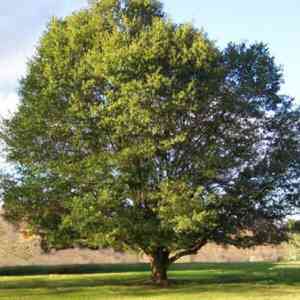
1
Provide weekly irrigation to newly established Live oaks to encourage profound root development.
2
Established Live oak specimens typically require watering just one to two times monthly.
3
Irrigation practices should be modified according to seasonal shifts and precipitation amounts.
Grasping the Hydration Requirements of Live oak
The Importance of Proper Irrigation for Live oak Vitality
Appropriate watering is vital for the overall health and longevity of your Live oak. These magnificent trees are known for their hardiness, but they do need consistent moisture, especially in their initial years. Sufficient irrigation promotes deep root development, which is crucial for the tree's stability and nutrient uptake. A well-hydrated Live oak is less vulnerable to diseases, pests, and environmental stressors. Insufficient watering, conversely, can result in underdeveloped roots and, ultimately, a weakened tree.
Elements Affecting Water Demands
Several elements can influence the amount of water your Live oak requires. Firstly, consider the tree's age. Young saplings need more frequent watering compared to mature trees with established root systems. Soil composition also plays a significant role; sandy soils dry out quicker than clay-based soils and may necessitate more frequent irrigation. Seasonal shifts and weather conditions also impact water needs. For instance, during hot and arid summer months, your Live oak might need more water compared to cooler, wetter periods.
Optimal Watering Strategies for Live oak
Best Periods to Hydrate Live oak
Timing can greatly affect how efficiently your Live oak absorbs water. The ideal time to water is early in the morning or late in the afternoon when temperatures are lower. This helps minimize evaporation and ensures more water reaches the roots. Avoid watering during the warmest part of the day, as much of the water will evaporate before the tree can absorb it, and the rapid temperature change can stress the plant.
How to Ensure Uniform Moisture Distribution
To ensure your Live oak receives even moisture distribution, consider using a soaker hose or drip irrigation system. These methods deliver water slowly and directly to the root zone, reducing runoff and ensuring the soil remains consistently moist. Avoid overhead watering, as this can lead to uneven distribution and increase the risk of fungal diseases. Additionally, make sure to water deeply, saturating the soil down to at least 30 cm (12 inches). This encourages deep root growth and enhanced drought resilience.
Indicators of Under-Watering and Over-Watering Live oak
Identifying the Symptoms of Water Stress in Live oak
Recognizing the signs of water stress early can prevent lasting damage to your Live oak. Symptoms of under-watering include wilting, yellowing foliage, and dry, brittle branches. Conversely, over-watering can lead to root rot and fungal infections, characterized by dark, mushy roots, and leaves that appear wilted but remain green. A clear sign of water stress is the curling of leaves. Regularly check soil moisture levels to ensure you maintain the correct balance.
Remedial Actions for Hydration Issues
If you observe signs of under-watering, immediately increase the frequency and volume of water. Ensure you are deep watering rather than just moistening the surface. For over-watering, decrease the frequency of irrigation and improve drainage if necessary. Avoid any standing water around the tree base. Adding a layer of mulch can help retain moisture effectively and regulate soil temperature, creating a more stable environment for your Live oak.
Maintaining Optimal Soil Moisture for Live oak
Selecting the Appropriate Soil Type
The kind of soil you use significantly impacts water retention and root health. Live oak trees thrive in well-draining soil, ideally with a blend of sand and organic matter to provide nutrients and structure. Avoid heavy clay soils that can hold too much water, leading to root rot. Regularly test your soil's pH and nutrient levels to ensure it meets the optimal conditions for a Live oak. Amend the soil as needed to enhance its drainage and nutrient content.
Mulching Techniques to Preserve Soil Moisture
Mulching is an effective method to help your Live oak retain soil moisture. Apply a 5-10 cm (2-4 inch) layer of organic mulch, such as wood chips or bark, around the base of the tree, extending to the drip line. This helps reduce evaporation, maintain a consistent soil temperature, and suppress weed growth. Be sure to keep the mulch a few centimeters away from the trunk to prevent rot and pest infestations.



