How Often Should You Water Your Mealycup sage?
1
Mealycup sage needs irrigation roughly once per week, a schedule that can be modified according to seasonal shifts and ambient factors.
2
Prior to watering, always assess the soil's moisture; the top inch (2.5 cm) should be dry before re-watering.
3
Employing a watering vessel or a soaker hose can aid in directing water to the root area, fostering more robust plant development.
Understanding the Hydration Needs of Mealycup Sage
Indicators of Sufficient Moisture
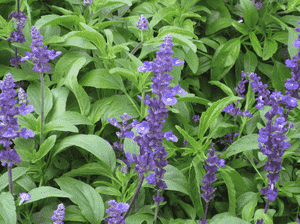
For your Mealycup sage to flourish, recognizing proper hydration is crucial. Healthy, adequately watered plants typically display vibrant, green foliage with striking blue or lavender flower spikes. Leaves should feel firm yet flexible. Consistent growth, including new shoots and blooms, signals appropriate moisture levels. Insufficient water can result in slower development and duller leaves.
Signs of Excessive and Insufficient Watering
Both overwatering and underwatering can harm your Mealycup sage. Overwatering symptoms include yellowing leaves, a wilted appearance despite wet soil, and root rot, which can be fatal. Conversely, underwatering manifests as drooping or crispy leaves and stunted growth. In either scenario, careful adjustment is necessary to restore the plant's health.
Seasonal Changes in Water Requirements
Mealycup sage needs varying watering routines throughout the year. During hot, dry summers, increased irrigation may be required, possibly shifting from weekly to every five days. In cooler, wetter months, you might reduce watering to every 10-14 days. Always monitor weather and soil moisture to make informed watering decisions.
Optimal Watering Practices for Mealycup Sage
Selecting Appropriate Watering Equipment
Watering tools are essential for maintaining your Mealycup sage's health. A watering can with a narrow spout can direct water to the base without wetting foliage, reducing fungal disease risk. Soaker hoses are excellent for delivering water directly to roots, minimizing waste and evaporation. Drip irrigation systems are ideal for large gardens, offering precision and consistency.
Watering Techniques Specific to Mealycup Sage
For best results, water your Mealycup sage in the early morning. This timing allows moisture to penetrate the soil before the day's heat intensifies, reducing evaporation. Aim for deep, infrequent watering, ensuring moisture reaches the root zone, typically 15-25 cm (6-10 inches) deep. Shallow watering can lead to weak roots, making the plant vulnerable to drought.
Adapting Watering to Diverse Growing Conditions
Growing conditions like soil type and garden layout influence how you water your Mealycup sage. In well-drained soils, more frequent watering may be needed compared to heavy clay soils that retain moisture longer. Raised beds generally dry out faster than ground-level gardens, necessitating more frequent checks and watering. Mulching around the plant base helps retain moisture and regulate soil temperature, enhancing watering efficiency.
Resolving Common Watering Problems
Addressing Watering Issues in Containers vs. Ground
Watering Mealycup sage in pots versus the ground presents distinct challenges. Potted plants often dry out quicker due to limited soil volume, requiring more frequent moisture checks. Ensure pots have adequate drainage holes to prevent waterlogging. In-ground plants benefit from a larger soil reservoir, but good drainage is crucial to avoid water pooling around roots. Adjust watering frequency based on the plant's location.
Influence of Potting Mix on Watering Frequency
The potting mix used for Mealycup sage significantly impacts watering frequency. A mix rich in organic matter retains water longer, while sandy mixes drain rapidly. An ideal potting mix balances good drainage with moisture retention. Regularly check soil moisture by inserting your finger up to the second knuckle; if dry, it's time to water.
FAQs on Watering Mealycup Sage
Can Excessive Watering Lead to Disease in Mealycup Sage?
Yes, overwatering can cause several diseases in Mealycup sage, including root rot and various fungal infections. Standing water in the soil deprives roots of oxygen, leading to decay and increased susceptibility to pathogens. To prevent this, ensure good drainage and avoid unnecessary watering.
How Does Climate Affect Watering Schedules?
Weather significantly influences your Mealycup sage's watering schedule. Hotter, drier periods increase water evaporation and plant water needs, necessitating more frequent watering. During rainy or cooler periods, reduce watering frequency to prevent waterlogging. Always adjust based on actual weather conditions, not a rigid schedule.



