How Often Should You Water Your Autumn sage?
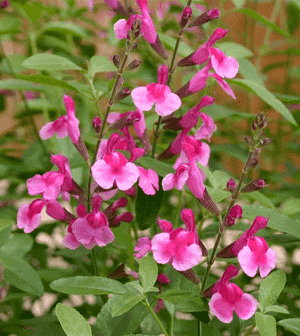
1
During its active growth phase, irrigate your Autumn sage weekly, decreasing the frequency in colder periods.
2
Excessive watering manifests as yellowed foliage and root decay, whereas insufficient watering leads to drooping and parched leaves.
3
To maintain dry leaves and deter fungal infections, always apply water to the base of your Autumn sage.
Grasping the Hydration Requirements of Autumn Sage
Seasonal Shifts in Watering
Autumn sage's watering demands fluctuate considerably with the seasons. During spring and summer, its active growth phase, a consistent weekly watering schedule is vital. In these warmer months, the plant needs steady moisture for growth and flowering. However, as temperatures drop in autumn and winter, Autumn sage enters dormancy, and its water needs diminish. Reducing irrigation then is crucial to prevent waterlogging and root decay.
Indicators of Too Much or Too Little Water
Observing your Autumn sage for hydration issues is key. Overwatering can cause yellowed leaves, soft stems, and root rot, while insufficient water may lead to wilting, browning, and crisp leaves. Being attentive to these signs and adjusting watering practices accordingly helps maintain your Autumn sage's health. If you see yellowing or wilting, it's time to re-evaluate your watering.
Optimal Watering Practices for Autumn Sage
Frequency and Schedule
Consistent watering is paramount for effective Autumn sage care. During its active growth, a weekly watering routine is ideal. For best hydration, water in the early morning or late afternoon when temperatures are cooler. This timing ensures water penetrates the soil deeply without rapid evaporation.
Watering Technique
Your method of watering significantly impacts Autumn sage's well-being. It's best to water at the plant's base to keep foliage dry, as wet leaves can encourage fungal diseases. Employing a soaker hose or drip irrigation system provides slow, deep watering, allowing roots to absorb moisture efficiently.
Environmental Water Adjustments
The surrounding environment greatly influences Autumn sage's water requirements. Factors like temperature, humidity, and soil type all affect how much water is needed. For example, sandy soils might require more frequent watering than clay soils. Always check soil moisture by inserting your finger 2-3 inches (5-7 cm) deep; if it feels dry, it's time to water.
Common Errors to Avoid When Watering Autumn Sage
Excessive Hydration
A frequent mistake gardeners make is overwatering. Autumn sage thrives in well-drained soil and struggles in waterlogged conditions. Too much water can suffocate roots, leading to root rot and other fungal issues. Always allow the soil to dry out slightly between waterings, especially during the plant's dormant winter period.
Ignoring Seasonal Requirements
Failing to adapt watering habits to the seasons can stress your Autumn sage. While regular watering is important during the growing season, remember to decrease frequency in fall and winter. This aligns with the plant's natural cycle and prevents detrimental waterlogged conditions.
Improper Watering Tools
The tools used for watering can affect your Autumn sage's effectiveness and health. Avoid high-pressure hoses that can damage soil structure and the plant itself. Opt for soaker hoses, watering cans, or drip irrigation systems for a gentler, more controlled watering approach.



