How Often Should You Water Your African blood lily?
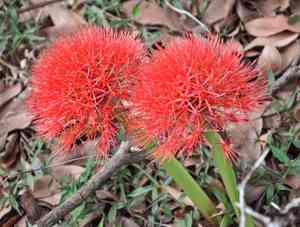
1
African blood lily generally requires watering every one to two weeks.
2
African blood lily flourishes in soil that drains effectively and has a balanced pH.
3
Refrain from using chilled tap water for your African blood lily; tepid water is ideal.
Grasping the Hydration Requirements of African blood lily
Recognizing Indicators of Sufficient Moisture
Properly hydrating your African blood lily involves identifying cues of adequate moisture. Typically, its foliage will appear vibrant and firm when sufficiently watered. Soil that is moderately damp a few centimeters (approximately an inch) beneath the surface is another positive sign. Regular checks of these indicators will help you determine if your plant is receiving the correct water volume.
Impacts of Excessive and Insufficient Watering
Both overwatering and underwatering your African blood lily can lead to significant issues. Too much water might cause root decay, identifiable by a foul smell and drooping leaves. Conversely, too little water results in yellowed, limp foliage and dry, compacted soil. Being mindful of the water quantity your plant receives can avert these problems and foster robust development.
Optimal Watering Practices for Your African blood lily
Seasonal Adjustments to Watering
The hydration needs of your African blood lily can vary with the seasons. During the active growth periods of spring and summer, you might need to water more often due to warmer temperatures and stronger light. Conversely, in autumn and winter, decrease watering as the plant's growth slows. Adapting your watering schedule seasonally ensures your plant gets enough moisture without the risk of over-saturation.
Selecting the Appropriate Water and Implements
The kind of water you utilize also affects your African blood lily's health. Rainwater or purified water is ideal, but if tap water is necessary, let it stand for 24 hours to allow chlorine to dissipate. Employing a watering can with a slender spout helps manage the flow and direct water to the soil instead of the leaves, preventing fungal diseases.
Effective Water Application Techniques
When watering your African blood lily, always aim for thorough saturation. This means ensuring the entire root system is reached. Apply water gradually until you observe it draining from the pot's base. This method prevents surface water accumulation and promotes deeper root development. Remember to empty the tray beneath the pot to avoid waterlogging.
Maintaining Ideal Environmental Conditions
The Influence of Humidity and Temperature
Maintaining appropriate humidity and temperature is vital for the African blood lily. This plant thrives in moderate to high humidity and temperatures ranging from 16-24°C (60-75°F). If your indoor air is dry, consider placing a humidifier nearby or setting the pot on a tray filled with pebbles and water, ensuring the pot does not sit directly in the water.
Soil Considerations and Drainage
Your African blood lily will thrive in well-draining soil. Substrates specifically formulated for bulbs or a general potting mix enhanced with sand or perlite are most effective. Ensuring proper drainage is crucial; therefore, a pot with drainage holes is essential. Well-draining soil prevents water from stagnating around the roots, reducing the likelihood of rot.
Frequent Inquiries Regarding African blood lily Watering
Is Tap Water Suitable for My African blood lily?
Yes, tap water can be used for your African blood lily, but it's best to let it sit for 24 hours beforehand. This waiting period allows chlorine to evaporate, making it safer for your plant. If you reside in an area with hard water, consider using distilled or rainwater to prevent mineral accumulation in the soil.
How Can I Determine if My African blood lily is Adequately Hydrated?
Checking the soil moisture is a reliable method to ensure your African blood lily has sufficient water. Insert your finger about 2-3 centimeters (1 inch) into the soil; if it feels dry, it's time to water. Additionally, observing the leaves is key - healthy, firm foliage indicates proper hydration.



