How Often Should You Water Your Giant sequoia?
1
Provide your Giant sequoia with water weekly to sustain ideal soil dampness.
2
Employ a soaker hose or drip system to supply water deeply into the ground for your Giant sequoia.
3
In warm conditions, modify irrigation frequency to avoid strain on your Giant sequoia.
Understanding the Hydration Needs of Giant Sequoias
Elements Affecting Water Requirements
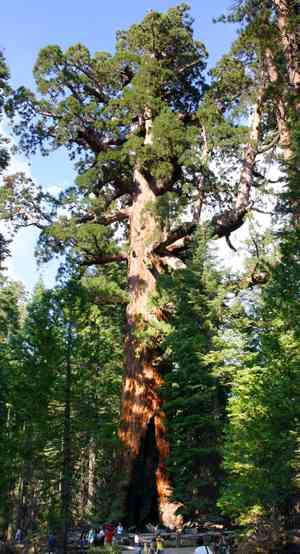
When tending to a Giant sequoia, it's crucial to grasp that various elements can impact its water demands. These magnificent trees, capable of reaching heights of up to 85 meters (280 feet), necessitate a substantial amount of water to flourish. Key elements include the tree's age, soil composition, and the surrounding climate. Younger trees require more frequent irrigation to establish a robust root system, while older, mature Giant sequoias possess deeper roots that can access moisture from a wider area. Well-draining soil will demand more water than clay-based soils that retain moisture longer. Furthermore, the climate plays a significant role; hotter, drier environments mandate more frequent watering compared to temperate regions.
Indicators of Sufficient vs. Insufficient Hydration
Recognizing the signs of appropriate watering is vital for maintaining your Giant sequoia's health. Adequately hydrated Giant sequoias will exhibit vibrant green foliage and consistent growth. Conversely, insufficient water can lead to drooping leaves, browning edges, and stunted development. On the other hand, chlorosis (yellowing of leaves) and root decay can result from excessive watering. Regularly monitoring these indicators will help ensure your Giant sequoia receives the correct amount of water.
Optimal Practices for Irrigating Giant Sequoias
Preferred Watering Methods
To maximize water absorption and efficiency, it's advisable to employ techniques that ensure deep soil penetration. A soaker hose or drip irrigation system is ideal for watering Giant sequoias. These methods allow water to reach the treeâs root system gradually, minimizing runoff and evaporation. Aim to irrigate the base of the tree directly, ensuring that the soil is saturated to a depth of at least 30 centimeters (12 inches).
Seasonal Irrigation Adjustments
Modifying your watering routines based on the season is important for optimal care. During spring and summer, when temperatures rise, increase the frequency of watering to prevent the soil from drying out. Conversely, decrease irrigation in the fall and even more in the winter, as cooler temperatures and increased rainfall usually suffice in maintaining adequate soil moisture. However, during unusually dry winters, occasional watering may be necessary if the ground isnât frozen.
Mulching for Moisture Retention
Applying mulch around your Giant sequoia can significantly aid in retaining soil moisture and regulating temperature. Spread a layer of organic mulch, such as wood chips or bark, 5-10 centimeters (2-4 inches) thick around the base of the tree. This practice not only conserves water but also helps in suppressing weed growth and improving soil quality over time. Ensure the mulch is kept a few centimeters away from the trunk to prevent rot.
Common Challenges in Hydrating Giant Sequoias
Addressing Overwatering Consequences
Excessive watering can be as harmful as insufficient watering for Giant sequoias. Symptoms of overwatering include yellowing leaves, wilting, and root rot. To mitigate these issues, ensure the soil drains well and avoid watering on a rigid schedule without assessing soil moisture levels. Allow the top layer of soil to dry out slightly between waterings, reducing the risk of waterlogged roots.
Preventing Dehydration During Warm Weather
Underwatering poses a significant risk during hot weather, when the evaporation rate increases. Ensure your Giant sequoia receives sufficient water by checking the soil moisture regularly. Increase watering frequency, potentially even watering twice a week during heatwaves, to prevent the soil from drying out completely. Consistent watering practices during extreme temperatures help in preventing stress and ensuring the tree remains healthy.



