How Often Should You Water Your Spanish broom?
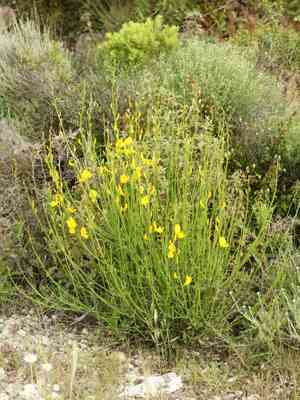
1
Provide water to your Spanish broom two times weekly for best development.
2
In the warmest summer periods, you may need to irrigate more often because of higher evaporation rates.
3
Modify your watering routine if substantial precipitation has occurred to prevent excessive moisture.
Understanding the Fundamental Hydration Requirements of Spanish Broom
Climatic Factors: Adapting to Your Local Environment
The hydration demands of Spanish broom can vary considerably based on your region's climate. In areas with hot, arid conditions, more frequent irrigation is typically essential to maintain plant hydration. Conversely, in cooler or more humid climates, the watering frequency can be lessened. Always consider the environmental context, as this plant generally thrives in well-drained soils and exhibits significant drought tolerance. Monitoring local temperature and humidity levels will aid in determining when and how often to irrigate your Spanish broom.
Soil Composition and Its Influence on Moisture Retention
Soil type plays a vital role in dictating the watering needs of your Spanish broom. This plant favors sandy, well-draining soils that promote rapid water runoff. Dense clay soils retain more moisture, potentially leading to root rot if excessive watering occurs. If your soil is more clay-like, incorporating organic matter or sand can enhance drainage. Conversely, sandy soils might necessitate more frequent irrigation, as they dry out quicker. Performing a soil test can be a beneficial step in comprehending the specific requirements of your garden's soil makeup.
Practical Irrigation Advice for Spanish Broom
How to Assess Hydration Needs
To ascertain if your Spanish broom requires water, check the soil moisture approximately 5-10 centimeters (2-4 inches) below the surface. Insert your finger into the soil; if it feels dry, it's time to irrigate. Utilizing tools such as moisture meters can also assist in providing an accurate reading. Remember, it's preferable to allow the soil to dry out somewhat between waterings rather than keeping it perpetually moist, as this plant is quite drought-resistant.
Applying the Correct Volume of Water: Preventing Excessive and Insufficient Watering
Achieving the right balance between overwatering and underwatering is crucial for maintaining a healthy Spanish broom. When irrigating, ensure the soil is thoroughly moistened but not saturated. A good guideline is to water deeply, allowing the moisture to penetrate the root zone. This typically involves supplying about 2-3 liters (0.5-0.75 gallons) of water per session. Overwatering can suffocate the roots, leading to yellowing foliage and root decay, while underwatering will cause the plant to wilt and hinder its development.
Optimal Time of Day for Irrigating Spanish Broom
Watering your Spanish broom in the early morning is ideal, as it provides the plant ample time to absorb moisture before the day's heat intensifies. Avoid irrigating during midday sun to minimize water loss due to evaporation. Evening watering is less advisable as it can leave the foliage damp overnight, potentially fostering fungal diseases. A consistent early morning watering regimen ensures your plant receives necessary hydration while mitigating risks.
Seasonal Irrigation Adjustments for Spanish Broom
Modifying Watering Frequency in Warm vs. Cold Seasons
During the summer, your Spanish broom may demand more frequent irrigation due to elevated temperatures and increased evaporation. Watering twice a week is a general recommendation, but you might need to adjust based on specific weather conditions. In winter, decrease the watering frequency to prevent waterlogged roots as the plant's water requirements diminish. Monitor the plant and soil regularly to make timely adjustments and ensure your Spanish broom remains robust throughout the changing seasons.
Managing Rainfall: How to Adapt When Nature Provides Moisture
Natural precipitation can significantly influence your watering schedule. If your region experiences substantial or frequent rain, reduce your manual irrigation to prevent overwatering the Spanish broom. Conversely, during dry periods with minimal or no rain, ensure consistent watering to compensate for the absence of natural moisture. Employing a rain gauge can help you track the amount of rainfall and make informed modifications to your watering routine.
Common Indicators of Hydration Stress in Spanish Broom
Signs of Excessive Watering
Overwatering your Spanish broom can result in several observable symptoms. Watch for yellowing leaves, which often signal waterlogged roots. If the soil remains persistently damp and the plant exhibits stunted growth or decaying roots, it's a clear indication of overwatering. Ensure proper soil drainage and reduce the watering frequency to aid the plant's recovery. Allowing the soil to dry out between waterings is crucial to avert chronic overwatering issues.
Symptoms of Insufficient Watering
Underwatering can cause the Spanish broom to display wilting or drooping foliage. The plant may appear dry and brittle, and its overall growth might slow. If you notice these signs, increase the watering frequency and ensure the soil is being adequately hydrated. Observe the plant's recovery and adjust your routine accordingly. Consistent watering, particularly during warmer months, will help avoid the drawbacks of underwatering.



