How Often Should You Water Your African tulip tree?
1
Provide moisture to your African tulip tree weekly, modifying as per the time of year and ground composition.
2
Excessive watering may cause root decay, thus confirm the soil drains adequately.
3
The early part of the day is ideal for hydrating your African tulip tree to prevent fungal diseases and optimize uptake.
Understanding the Hydration Requirements of African tulip tree
The Significance of Adequate Moisture for African tulip tree
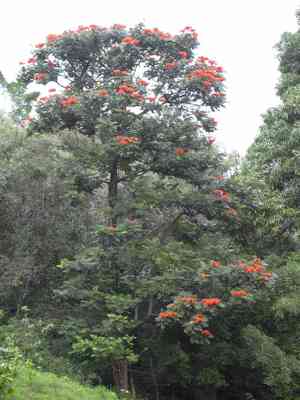
Sufficient moisture is vital for the well-being and development of your African tulip tree. This vibrant and lush tree, originating from tropical Africa, demands consistent and ample watering to support its rapid growth and spectacular blooms. Without enough water, the tree can experience stress, leading to poor flowering and increased vulnerability to illnesses. Ensuring proper hydration helps maintain the treeâs structural integrity and overall vitality, enabling it to flourish and enhance your garden's beauty.
How Soil Composition Influences Watering Frequency
Soil composition significantly impacts how often you should irrigate your African tulip tree. This tree thrives in well-draining soil to prevent waterlogging and root decay. Sandy soils, which drain rapidly, may necessitate more frequent watering, whereas denser clay soils retain moisture longer and thus require less frequent irrigation. If your soil is a blend of sand and clay, a weekly watering regimen should suffice, but always check the moisture levels by probing the soil to a depth of approximately 5 centimeters (2 inches) before deciding to water.
Seasonal Watering Modifications for African tulip tree
Modifying your watering schedule according to the season is crucial for your African tulip tree. During warmer periods, the treeâs water demands increase due to higher evaporation rates and growth spurts. Therefore, you might need to water more often, about twice a week, especially during heatwaves. Conversely, in cooler months, the tree's water needs decrease considerably; watering every 10 to 14 days is typically adequate. Always consider local climatic conditions and adjust accordingly to prevent excessive or insufficient watering.
Proper Watering Methods for African tulip tree
Optimal Time of Day to Water Your African tulip tree
The ideal time to water your African tulip tree is in the early morning. Watering in the morning allows the tree to absorb moisture throughout the day, which is particularly advantageous during hotter months. Morning irrigation also lowers the risk of fungal infections, as the soil and foliage have ample time to dry before nightfall. If morning watering isn't feasible, late afternoon is an alternative, but avoid watering in the evening to prevent prolonged moisture on the leaves and stems, which can promote disease.
Appropriate Watering Techniques and Equipment
Employing the correct methods and tools ensures efficient watering of your African tulip tree. A soaker hose or drip irrigation system is perfect, as these devices deliver water directly to the root zone, minimizing water wastage and fungal risks associated with wet foliage. If you prefer manual watering, use a garden hose with a gentle spray nozzle to prevent soil erosion and damage to the treeâs roots. When watering, ensure the soil is moistened to a depth of about 30 centimeters (12 inches) to reach the deeper root systems, fostering robust growth.
Indicators of Overwatering and Underwatering African tulip tree
Identifying Symptoms of Moisture Imbalance
Recognizing signs of moisture imbalance is essential for maintaining the health of your African tulip tree. Symptoms of overwatering include yellowing leaves, wilting despite wet soil, and root rot. In contrast, underwatering is characterized by dry, brittle leaves that may curl or drop prematurely. The soil around an underwatered tree often appears dry and cracked. Regularly inspecting your tree for these symptoms helps you make timely adjustments to your watering practices.
How to Modify Your Watering Regimen
Adjusting your watering schedule based on the African tulip tree's responses is vital for its health. If signs of overwatering are present, reduce the frequency and ensure the soil has proper drainage. Conversely, if the tree shows signs of underwatering, increase the watering frequency and thoroughly saturate the soil to reach the root zone. Always monitor the treeâs condition and environmental factors such as rainfall and temperature changes to maintain an optimal watering routine.



