How Often Should You Water Your Eastern skunk cabbage?
1
Provide moisture to your Eastern skunk cabbage approximately weekly in typical environments to maintain consistently damp soil.
2
Excessive watering may result in root decay, whereas insufficient watering will cause foliage to droop and discolor.
3
Modify your irrigation routine based on the season, increasing frequency during active growth and decreasing it in colder months.
Understanding the Hydration Needs of Eastern skunk cabbage
Native Environment and Moisture Preferences
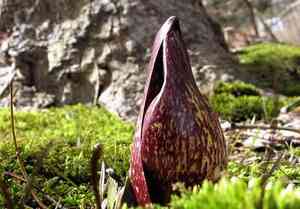
The Eastern skunk cabbage naturally flourishes in damp, boggy areas often found in North America. These plants are accustomed to saturated, waterlogged ground, making them highly tolerant of abundant moisture. In its natural setting, Eastern skunk cabbage benefits from continuous water access, which helps maintain its vibrant, green appearance. For gardeners, replicating this environment is crucial for a healthy plant. Keep the soil around your Eastern skunk cabbage consistently moist, mirroring its native habitat to ensure its vitality.
Indicators of Sufficient Hydration
A well-hydrated Eastern skunk cabbage will display vivid green leaves that are firm and sturdy. Look for fresh and upright foliage, along with consistent growth. Conversely, if you observe drooping leaves or browning edges, it could signal insufficient hydration. Ensuring your Eastern skunk cabbage remains healthy involves balancing water levels to maintain moist, but not waterlogged, soil.
Optimal Irrigation Methods for Eastern skunk cabbage
Ideal Time of Day for Watering
Watering your Eastern skunk cabbage in the early morning is optimal. This allows the plant to absorb moisture before the day's heat intensifies, reducing evaporation. Early morning watering also aids in preventing fungal diseases that can develop when foliage stays wet for extended periods, especially overnight. Therefore, establishing a morning hydration routine will keep your Eastern skunk cabbage thriving.
Appropriate Water Volume
The amount of water required can vary based on factors like temperature, humidity, and plant size. Generally, aim to water deeply, ensuring the soil is saturated to a depth of approximately 15-20 centimeters (6-8 inches). This might mean providing about 3-4 liters (0.8-1 gallons) of water each time. It's vital to avoid intermittent shallow watering, as it encourages roots to stay near the surface, making the plant less drought-resistant.
Watering Methodology
For the best outcomes, consider using a soaker hose or a drip irrigation system. This ensures the water penetrates deeply into the ground, directly reaching the roots without causing soil erosion. Hand watering can also be effective if performed carefully and uniformly around the plant's base. Regardless of the technique, ensure comprehensive coverage to maintain consistent soil moisture levels.
Addressing Excessive and Insufficient Watering in Eastern skunk cabbage
Symptoms of Overwatering and Solutions
Overwatering is a common issue for many plant enthusiasts. For Eastern skunk cabbage, the primary indicators include yellowing leaves, a soft stem base, and an unpleasant odor from the soil, suggesting root rot. To correct overwatering, reduce watering frequency and enhance soil drainage. Gently lift the plant and inspect the roots; if they are blackened and soft, trim the damaged parts and replant in fresh, well-draining soil.
Symptoms of Underwatering and Remedies
Underwatering will make your Eastern skunk cabbage appear stressed. Look for wilting, dry and brittle leaf edges, and an overall limp appearance. To rectify this, increase watering frequency and ensure a thorough soak when you irrigate. If the soil is extremely dry, water in small increments to allow the soil to rehydrate gradually, preventing runoff and ensuring deep penetration.
Seasonal Adjustments in Watering Eastern skunk cabbage
Watering During the Active Growth Period
During the growing season, typically from spring to early autumn, your Eastern skunk cabbage will require more frequent watering. As temperatures rise and the plant's growth accelerates, aim to increase your watering schedule to ensure the soil remains moist. Weekly watering may need to be adjusted up to twice a week, depending on climatic conditions and plant size.
Winter Watering Practices
In winter, the Eastern skunk cabbage enters a dormant phase requiring less water. Reduce the frequency significantly while still ensuring the soil doesn't completely dry out. Watering once every two weeks should suffice, and always check the soil moisture level before watering. It's essential to adjust your watering habits to accommodate the plant's slower metabolic rate during the colder months.



