How Often Should You Water Your Cape honeysuckle?
1
Watering schedule: Typically, Cape honeysuckle requires irrigation two times weekly throughout its vigorous growth period.
2
Excessive watering may cause root decay, whereas insufficient watering can hinder development and diminish blooms.
3
Seasonal modifications are vital; increase watering in warmer months and decrease it in colder months.
Grasping the Hydration Requirements of Cape Honeysuckle
The Fundamentals of Hydrating Cape Honeysuckle
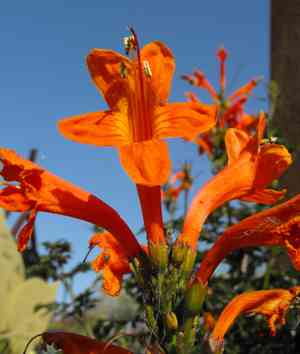
The Cape honeysuckle is a resilient and visually striking plant, recognized for its vibrant orange blooms and adaptability to diverse environments. However, maintaining its vitality and health necessitates a clear understanding of its watering demands. Ideally, this plant should receive water twice weekly, particularly during its active growth phase. This schedule ensures the soil stays moist without becoming saturated, which is vital for the plant's overall well-being. To support its development, confirm that water penetrates to the root zone, fostering the growth of a deep root system.
Elements Influencing Water Needs
Several aspects can impact how often you should irrigate your Cape honeysuckle. These include the plant's maturity, soil composition, local climate, and whether it's container-grown or in the ground. Younger plants typically demand more frequent watering as they establish their root systems. Meanwhile, well-draining soil types, such as sandy or loamy, might require more frequent irrigation than clay soils, which hold moisture longer. Furthermore, if you reside in a hot, arid region, your plant will likely need more frequent watering compared to an area with moderate temperatures and humidity.
Optimal Practices for Watering Cape Honeysuckle
How to Ascertain if Your Plant Requires Water
A practical method to determine if your Cape honeysuckle needs water is the finger test. Simply insert your finger into the soil to a depth of about 2-3 centimeters (1 inch). If the soil feels dry at this level, it's time to water. Another indicator is observing the plant's foliage; wilting or drooping can signal a need for water, provided the soil isn't already wet. For a more precise approach, you can utilize a moisture meter to accurately monitor the soil's hydration levels.
Methods for Efficient Watering
When hydrating your Cape honeysuckle, aim to saturate the soil thoroughly rather than merely moistening the surface. This promotes the development of a deeper and more robust root system. Watering in the early morning is advisable as it minimizes evaporation and allows the plant to absorb moisture before the day's heat. If your plant is in a pot, ensure the container has adequate drainage holes to prevent waterlogging. Consider employing a slow-release irrigation system or soaker hoses for uniform moisture distribution in larger garden settings.
Common Watering Errors to Avoid with Cape Honeysuckle
Excessive Watering: Indicators and Remedies
Overwatering is a frequent error made by many plant enthusiasts, which can lead to root rot and other issues. Signs of overwatering include yellowing leaves, soft stems, and an unpleasant smell from the soil. To correct overwatering, reduce the frequency of irrigation and ensure the soil has proper drainage. In severe cases, you might need to repot the plant with fresh, well-draining soil and trim any decayed roots.
Insufficient Watering: Identifying and Correcting
Underwatering can be equally detrimental, causing the Cape honeysuckle to exhibit stunted growth, dry soil, and brown leaf edges. If observed, gradually increase the watering frequency and ensure the soil is thoroughly moistened until consistent growth resumes. It's crucial to find a balance, as fluctuating between overwatering and underwatering can stress the plant, making it more vulnerable to diseases.
Seasonal Adjustments in Hydrating Your Cape Honeysuckle
Modifying Watering in Summer vs. Winter
The hydration requirements of your Cape honeysuckle will vary with the seasons. During the hot summer months, the plant may need more frequent wateringâup to three times per weekâdue to increased evaporation and heightened growth activity. Conversely, in the colder winter months, decrease the watering frequency to once every week or even less, as the plant's growth slows and the soil retains moisture for a longer duration.
Significance of Monitoring Climatic Conditions
Weather conditions play a crucial role in how often you should irrigate your Cape honeysuckle. Always keep an eye on the local weather forecast. If there has been substantial rainfall, you can skip a watering session. Similarly, during dry spells or heatwaves, you might need to increase the frequency and volume of water provided to the plant. Adjusting your watering schedule based on current weather conditions will ensure that your plant remains healthy and flourishes throughout the year.



