How Often Should You Water Your American Cranberry Bush?
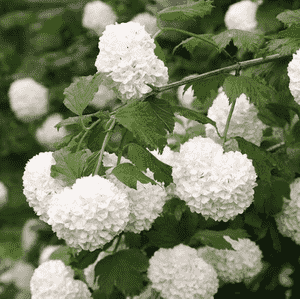
1
The American Cranberry Bush flourishes with bi-weekly watering.
2
Applying a layer of mulch aids in preserving soil dampness, thereby lessening the necessity for frequent irrigation.
3
Watering in the early hours or late in the day assists in minimizing moisture loss due to evaporation.
Understanding the Hydration Requirements of American Cranberry Bush
Optimal Irrigation Conditions for Healthy Development
Properly hydrating your American Cranberry Bush is vital for vigorous growth and lush foliage. This plant thrives in consistently damp soil, but it's essential to prevent waterlogging. Typically, irrigating twice weekly, supplying approximately 2.5-5 cm (1-2 inches) of water each time, is recommended. Adequate watering fosters strong root development and supports its blooming phase, leading to beautiful clusters of white flowers.
Indicators of Insufficient and Excessive Watering
Identifying the symptoms of under-watering and over-watering can protect your American Cranberry Bush from potential harm. Signs of under-watering include drooping leaves, dry and crumbly soil, and browning leaf edges. Conversely, over-watering might cause yellowing leaves, a soft stem base, and decay due to root rot. Observing these indicators helps adjust your watering practices accordingly.
Influence of Seasonal Changes on Irrigation Frequency
Seasonal variations significantly impact the water demands of your American Cranberry Bush. During summer, elevated evaporation rates and warmer temperatures necessitate more frequent irrigation. Conversely, in winter, the plant's dormant period requires less watering, as the soil retains moisture for longer durations. Understanding these shifts ensures you modify watering frequency to align with the plant's seasonal needs.
Effective Hydration Methods for American Cranberry Bush
Selecting the Appropriate Time of Day for Watering
Watering at the correct time of day is crucial to minimize water loss. The best times to hydrate your American Cranberry Bush are early in the morning or late in the afternoon. Irrigating during these cooler parts of the day reduces evaporation, ensuring more water reaches the root system, thereby promoting robust growth.
Watering Approaches: Drip vs. Overhead
Regarding watering techniques, drip irrigation and overhead watering each offer advantages. Drip irrigation directly delivers water to the soil, reducing waste and encouraging deep root growth. Overhead watering can be effective if performed carefully, but it might promote fungal development if the foliage remains wet for extended periods. Choosing the optimal method depends on your garden setup and climatic conditions.
Using Mulch to Maintain Moisture Levels
Applying mulch around the base of your American Cranberry Bush can significantly enhance moisture retention. A 2-3 inch (5-8 cm) layer of organic mulch, such as bark or straw, helps insulate the soil and reduce evaporation, keeping the roots cool and hydrated. This practice not only conserves water but also suppresses weed growth and enriches the soil with nutrients as the mulch decomposes.
Seasonal Hydration Guide for American Cranberry Bush
Spring and Summer: Adjusting Water as Temperatures Increase
As temperatures rise in spring and summer, your American Cranberry Bush will require more frequent hydration. Increased sunlight and heat lead to quicker moisture evaporation, necessitating vigilance to maintain soil dampness. Aim to provide water twice weekly, ensuring the soil remains consistently moist. Always check the soil's top few inches for dryness before watering to prevent over-saturation.
Autumn and Winter: Reducing Watering During Dormancy
In autumn and winter, the American Cranberry Bush enters a dormant phase, slowing its growth and decreasing water requirements. During this period, hydrate the plant sparingly, perhaps once every two weeks, depending on rainfall and soil moisture levels. Over-watering in the cooler seasons can lead to root rot, so ensure the soil is well-draining and check moisture content before irrigating.



