How Often Should You Water Your Greater periwinkle?
1
Provide water to your Greater periwinkle around once a week to keep the soil adequately moist.
2
Assess soil dampness by pushing your finger roughly 2-3 cm (1 inch) into the growing medium.
3
Watering in the morning is ideal to guarantee your plant retains sufficient hydration all day.
Understanding the Hydration Requirements of Greater Periwinkle
The Specific Moisture Preferences of Greater Periwinkle
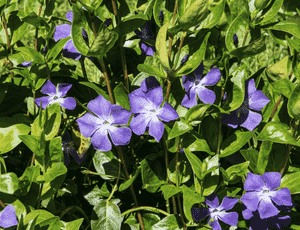
The Greater periwinkle, recognized for its vivid violet-blue blooms and lush green leaves, flourishes with consistent, moderate moisture. This plant favors uniformly damp soil but tolerates dry spells once established. Unlike some species highly sensitive to water levels, the Greater periwinkle is forgiving, making it suitable for both new and experienced gardeners. However, to truly thrive, it benefits from a careful balance, avoiding both extreme dryness and excessive wetness. Ensuring your Greater periwinkle receives regular hydration while preventing waterlogged conditions will support robust growth and vibrant flowering.
Seasonal Changes in Greater Periwinkle Watering
Seasonal shifts significantly impact how you should irrigate your Greater periwinkle. During warm summer months, the plant's water demands increase due to higher evaporation rates and accelerated growth. You might need to water more often, potentially twice a week, to maintain consistently moist soil. Conversely, in cooler periods, especially winter, the plant enters a semi-dormant state, and its water needs decrease considerably. Be careful to avoid over-watering during this time, as reduced evaporation can lead to waterlogged soil, which can harm roots. Always adjust your watering schedule to align with the plant's changing seasonal requirements.
Indicators of Excessive and Insufficient Watering
Recognizing the signs of over-watering or under-watering is vital for keeping your Greater periwinkle in peak condition. Over-hydrated plants often exhibit yellowing foliage, root decay, and a generally weak appearance. The soil may seem perpetually soggy. Conversely, under-hydrated Greater periwinkle will display wilted, dry leaves and stunted development. The soil might appear cracked and parched. Regularly inspecting your plant for these indicators helps you modify your watering habits accordingly. Remember, consistent observation and prompt adjustments to your watering routine can prevent most of these issues.
Step-by-Step Guide to Hydrating Greater Periwinkle
Assessing Soil Moisture Prior to Watering
Before irrigating your Greater periwinkle, it's crucial to check the soil's moisture level. This prevents watering an already sufficiently damp plant. Use your finger to probe the soil approximately 2-3 cm (1 inch) deep. If it feels dry at this depth, it's time to water. If it feels moist, you can wait a few more days before re-checking. For a more precise measurement, you can use a soil moisture meter, which provides a digital reading of the soil's hydration level. This simple step helps prevent over-watering, a common cause of root problems.
Optimal Time of Day for Watering Greater Periwinkle
Greater periwinkle benefits most from being watered in the early morning. Watering at this time allows the plant to absorb moisture before the day's heat peaks, maximizing hydration efficiency and minimizing evaporative losses. Morning watering also gives the foliage time to dry during the day, reducing the risk of fungal infections and other water-related diseases. Avoid watering in the evening, as cooler night temperatures combined with wet foliage can encourage disease development.
Effective Watering Methods and Advice
When hydrating Greater periwinkle, use a gentle, slow stream of water to thoroughly saturate the soil. Aim to water at the plant's base, avoiding overhead watering, which can splash soil and pathogens onto leaves. A soaker hose or drip irrigation system is ideal as it delivers water directly to the roots and minimizes soil compaction. Ensure proper drainage by planting in well-drained soil or using pots with drainage holes. Mulching around the base can help retain soil moisture and reduce watering frequency. Remember, a deep, thorough watering is more beneficial than shallow, frequent ones, as it encourages roots to grow deeper into the soil.
Common Errors When Watering Greater Periwinkle
Avoiding Frequent Watering Blunders
One of the most common errors with Greater periwinkle watering is inconsistent hydration â either too often or too seldom. Another frequent mistake is over-watering in poorly drained soil. Both extremes can lead to root issues and unhealthy plants. It's also important to avoid watering during the hottest part of the day, as this can cause rapid evaporation and inefficient water use. Steer clear of using cold tap water, as plants prefer lukewarm water to prevent root stress.
How to Rectify Watering Mistakes
If you've determined your Greater periwinkle is suffering from over-watering, reduce irrigation immediately and allow the soil to dry out somewhat between waterings. For those under-watering their plants, begin with a deep, thorough watering and then adjust to a more consistent weekly schedule. In the case of waterlogged soil, consider improving drainage by adding organic matter or relocating the plant to a better-draining site. Regularly review your watering techniques and remain observant of your plant's condition to make timely corrections.



