How Often Should You Water Your Common blue violet?
1
Blue violets generally require weekly watering, though seasonal and environmental factors can alter this.
2
Employing water at room temperature or slightly above promotes ideal uptake and minimizes plant stress.
3
Checking soil dampness is vital; the upper 2-3 cm (1 inch) of soil must be dry before re-watering.
Grasping the Hydration Requirements of Viola sororia
The Distinctive Moisture Profile of Viola sororia
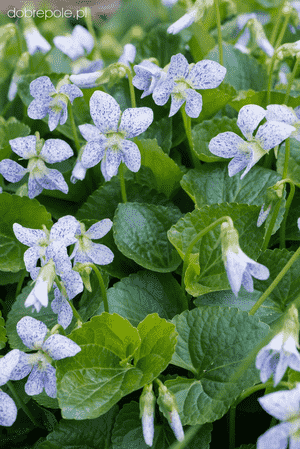
Viola sororia is a charming perennial known for its lush foliage and appealing blue-purple blooms. Indigenous to North America, this plant flourishes in damp, well-drained soil. Unlike certain drought-resistant species, Viola sororia demands consistent moisture to sustain its vibrant look. However, excessive watering can be as detrimental as insufficient watering, making it vital to comprehend its particular hydration needs.
Seasonal Changes in Moisture Demands
The water demands of Viola sororia can fluctuate considerably with the seasons. During its active growth period (spring and summer), the plant will require more frequent irrigation as it is actively developing and flowering. In these months, watering weekly, or sometimes twice a week, may be necessary. Conversely, during the autumn and winter, Viola sororia's growth slows. Consequently, you can decrease watering frequency to once every two weeks or even less, depending on indoor conditions.
Consequences of Overwatering or Underwatering
Overwatering your Viola sororia can lead to root rot, a condition where roots are deprived of oxygen by excess water, becoming dark and soft. This hinders the plant's ability to absorb essential nutrients and water, resulting in wilting and yellowing leaves. Conversely, underwatering can cause the plant to dehydrate, leading to dry, brittle leaves that ultimately impede its growth and blooming. Therefore, striking a balance and adjusting your watering routine based on the plant's needs and environmental factors is crucial.
Practical Irrigation Advice for Viola sororia
When and How to Irrigate: Best Practices
When watering your Viola sororia, it's best to do so in the morning. This allows any surplus moisture on the leaves to evaporate throughout the day, preventing fungal issues. Utilize a watering can with a narrow spout to deliver water directly to the soil at the plant's base. Always water thoroughly until you observe water draining from the pot's bottom, ensuring the entire root zone is hydrated.
Selecting the Appropriate Water Type and Temperature
The kind and temperature of water you use can significantly impact the health of your Viola sororia. It's preferable to use room temperature or slightly warm water, as cold water can shock the plant. Additionally, while tap water is generally acceptable, it can contain chlorine and other chemicals that may accumulate in the soil over time. If possible, use filtered or rainwater to keep your plant healthy and thriving.
Monitoring Soil Moisture for Optimal Hydration
To ensure your Viola sororia receives ideal hydration, regular soil moisture checks are essential. You can use a moisture meter or simply insert your finger about 2-3 cm (1 inch) into the soil. If it feels dry, it's time to water. Consistent checks can help prevent both excessive and insufficient watering, fostering a robust and vibrant plant.



