How Often Should You Water Your Spanish dagger?
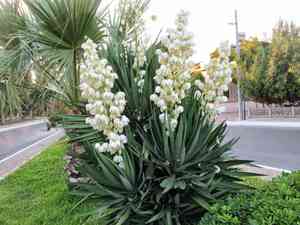
1
Moisten Spanish dagger bi-weekly.
2
Prevent water from accumulating in the plant's tray to avert root decay.
3
Assess soil dampness by inserting your finger 5 cm (2 inches) deep into the earth.
Understanding the Moisture Requirements of Yucca gloriosa
Native Environment and Hydration Preferences
The Yucca gloriosa, commonly known as Spanish dagger, originates from the sandy, well-draining soils of the southeastern United States. This natural setting largely dictates its water needs, making the plant quite tolerant of dry conditions. It has adapted to regions with infrequent rainfall, so when cultivated indoors or in landscapes outside its native range, it's vital to replicate its natural environment. Excessive watering can lead to root decay, whereas insufficient watering is seldom an issue due to its capacity to store moisture in its thick, sword-shaped foliage.
Indicators of Proper Hydration
Ensuring your Spanish dagger receives the correct amount of water involves recognizing signs of adequate moisture. A properly hydrated plant will exhibit firm, vibrant leaves that maintain their form and structure. If you observe the leaves becoming soft, drooping, or turning yellow, these could indicate overwatering or root distress. Conversely, if the leaf tips begin to brown or the plant appears wilted, it might require a bit more water. Quick Tip: Assess the soil's moisture level by inserting your finger approximately 5 cm (2 inches) into the substrate. If it feels dry at this depth, it's time to irrigate.
Optimal Practices for Irrigating Spanish dagger
Seasonal Watering Recommendations
The irrigation schedule for your Spanish dagger should vary with the seasons. During the active growth period, typically from spring to early autumn, the plant should be watered every 2 weeks. This ensures it receives sufficient moisture to support new growth and energy demands. In contrast, during the dormant winter months, the frequency of watering should decrease. Irrigating once a month is adequate as the plant's growth significantly slows and its water requirements diminish.
Effective Watering Methods
Proper watering techniques are crucial for the well-being of your Spanish dagger. Always apply water directly to the soil and avoid wetting the leaves, as this can foster fungal problems. Ensure the soil provides good drainage to prevent water from accumulating around the roots. When watering, continue until you observe water exiting the drainage holes in the container. This method guarantees the entire root system receives ample moisture. Never allow your Spanish dagger to sit in a tray of water as this can cause root rot.
Adjusting Water Based on Climatic Conditions
Weather conditions significantly influence how often you should water your Spanish dagger. During hot, arid weather, the plant might need more frequent watering than the typical bi-weekly schedule. Conversely, in more humid conditions or during rainy periods, you might need to adjust by watering less frequently to prevent over-saturation of the soil. It's about maintaining balanced moisture levels to avoid either extreme. Quick Tip: Always check the soil moisture before watering, especially after any notable weather changes.
Common Irrigation Errors to Avoid with Spanish dagger
Excessive Watering Issues
One of the most frequent errors is overwatering, which can lead to root rot and other complications for your Spanish dagger. Symptoms of excessive watering include yellowing foliage, soft roots, and a general decline in plant vitality. This resilient plant prefers to dry out between waterings, so it's better to under-water than to over-saturate. Ensure your pot has adequate drainage and always empty the saucer beneath your plant to prevent water accumulation.
Insufficient Watering Symptoms
While less common, underwatering can still present a challenge. Symptoms of insufficient watering include brown, crispy leaf tips, drooping leaves, and a general lack of vigor. The Spanish dagger stores water in its thick, fleshy leaves, so it can tolerate drought, but prolonged neglect will manifest in these signs. Just remember the bi-weekly watering guideline and always check the soil moisture to ensure your plant remains healthy and vibrant.



