How Often Should You Water Your Japanese zelkova?
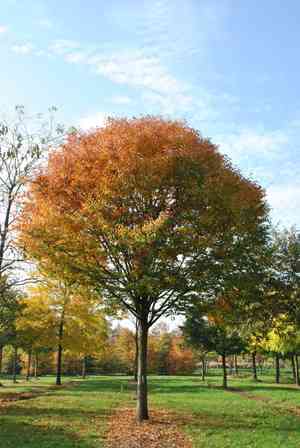
1
Provide water to your Japanese zelkova bi-weekly throughout its active growth period.
2
Applying a layer of mulch aids in preserving soil dampness and lessens the need for frequent irrigation.
3
Refrain from watering in the late hours to deter the development of fungal infections.
Understanding the Fundamental Hydration Requirements of Japanese Zelkova
Optimal Soil Moisture for Robust Development
The Japanese zelkova flourishes when its soil remains consistently damp, yet not saturated. The ideal state involves maintaining a balance where the soil feels moist approximately 2-3 inches (5-7.5 cm) deep. Excessive water can lead to root decay, while insufficient water results in dehydration and stress. A good guideline is to thoroughly irrigate once the top inch (2.5 cm) of soil dries out.
Seasonal Irrigation Modifications
Similar to many other plants, the Japanese zelkova's water demands fluctuate with the seasons. During the warm summer months, the tree's hydration needs escalate due to increased evaporation rates. Conversely, it requires less water in the colder periods of autumn and winter. Adjusting your watering routine in accordance with these seasonal shifts ensures your tree remains healthy year-round.
Effective Watering Methods for Japanese Zelkova
Optimal Time of Day for Watering
Early morning is the most suitable time to water your Japanese zelkova. This ensures that moisture penetrates deeply into the soil before the day's heat causes significant evaporation. Morning watering also allows foliage to dry during the day, minimizing the risk of fungal diseases that thrive in damp conditions.
Appropriate Water Application Techniques
Utilizing a soaker hose or drip irrigation system is an efficient way to guarantee even water distribution to the Japanese zelkova's root system. These methods prevent water waste and reduce the likelihood of water accumulating around the tree's base, which can cause root rot. If you prefer manual watering with a hose, ensure water is applied slowly and uniformly around the tree's base, allowing it to absorb gradually.
Identifying Issues of Overwatering or Underwatering
Indicators of Overwatering in Japanese Zelkova
Overwatering can be identified by several signs, such as yellowing leaves, a generally drooping appearance despite ample water, and soft or decaying roots. If these symptoms are observed, reducing watering frequency and enhancing soil drainage can help prevent further harm.
Signs of Underwatering and Recovery Strategies
Underwatering typically manifests as dry, brittle leaves, stunted growth, and brown leaf margins. To recover from underwatering, begin by deeply irrigating the root zone, ensuring the soil is moist but not waterlogged. Gradually reintroduce a regular watering schedule to avoid shocking the tree.
Maintaining Optimal Hydration Through Seasonal Transitions
Adjusting Watering Schedules in Spring and Summer
In spring, progressively increase watering frequency to match the tree's rising water needs as it emerges from dormancy. During summer, it's especially crucial to ensure your Japanese zelkova receives sufficient water, approximately twice weekly, or more during periods of intense heat or drought. Mulching around the base can help retain soil moisture and lessen the need for frequent watering.
Winter Watering Approaches
During winter, the Japanese zelkova enters a dormant phase where its water requirements are significantly reduced. Watering once every three to four weeks may suffice, depending on rainfall. It's vital to avoid waterlogging, as excess water can freeze and harm the roots. Ensure watering occurs on a mild day to prevent surface water from freezing.



