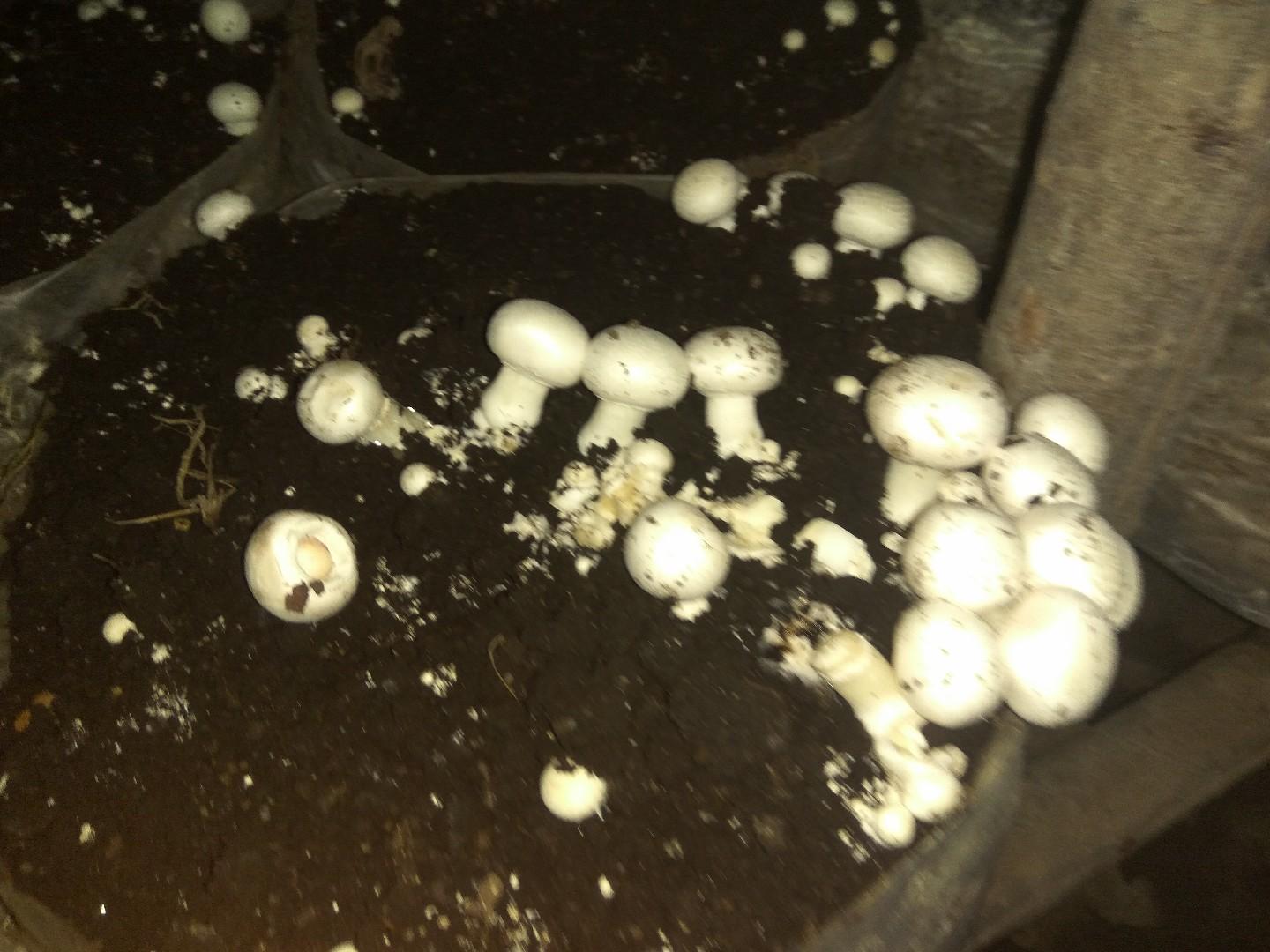
Button mushroom
Agaricus bisporus
A species of Agaricus. Also known as Portobello mushroom, Common mushroom, Champignon mushroom, Chestnut mushroom.
In the US, the majority of mushrooms available in supermarkets are cultivated versions of the common button mushroom. The pale varieties are marketed as button mushrooms, while the darker brown types are known as cremini or baby bellas. Fully matured caps are sold as portobellas. These mushrooms are rarely found growing naturally, typically appearing in grassy areas across the Northern Hemisphere.
In This Article
Attributes of Button mushroom
Cap Diameter
5 - 14 cm
Height
5 - 10 cm
Cap
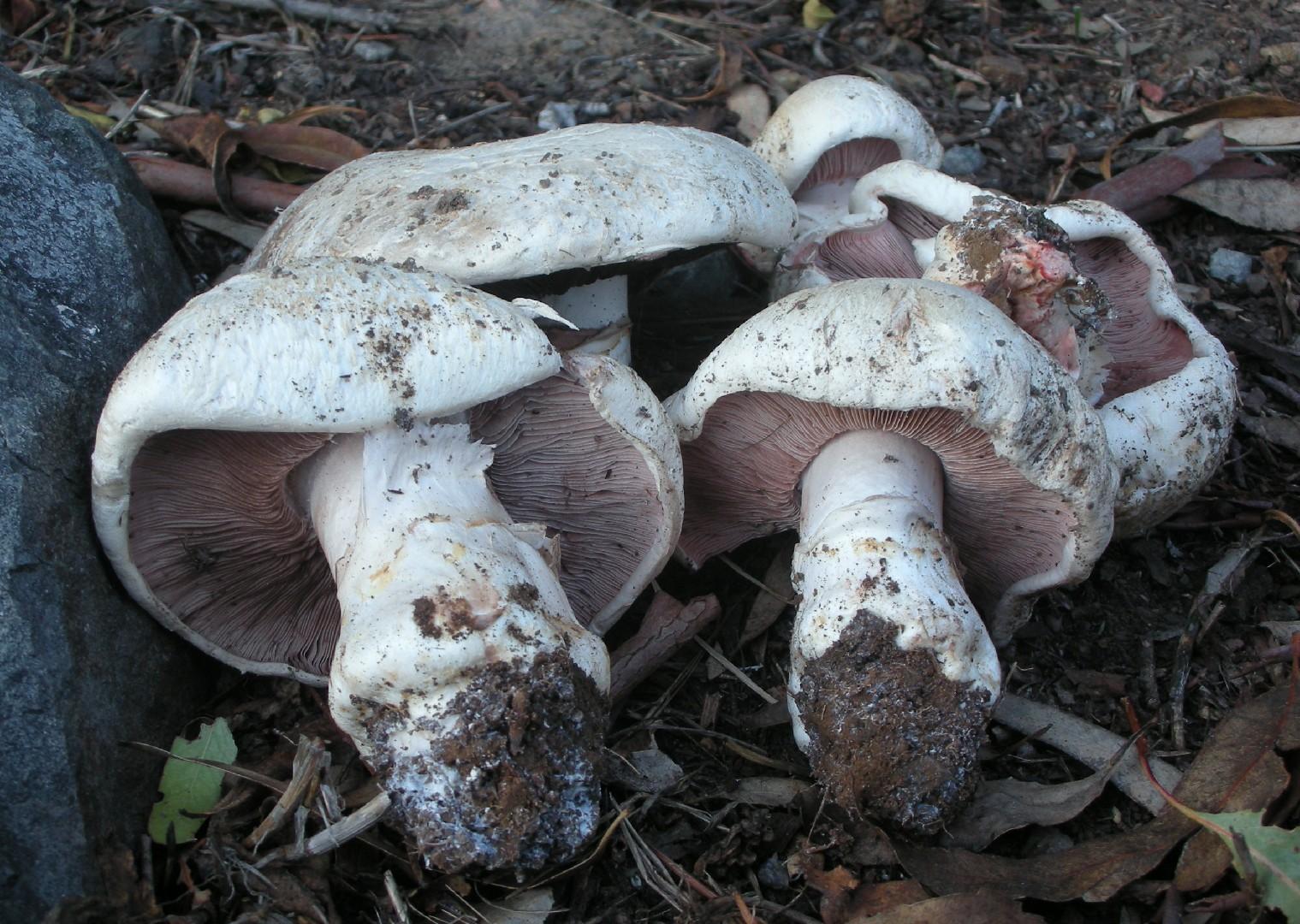
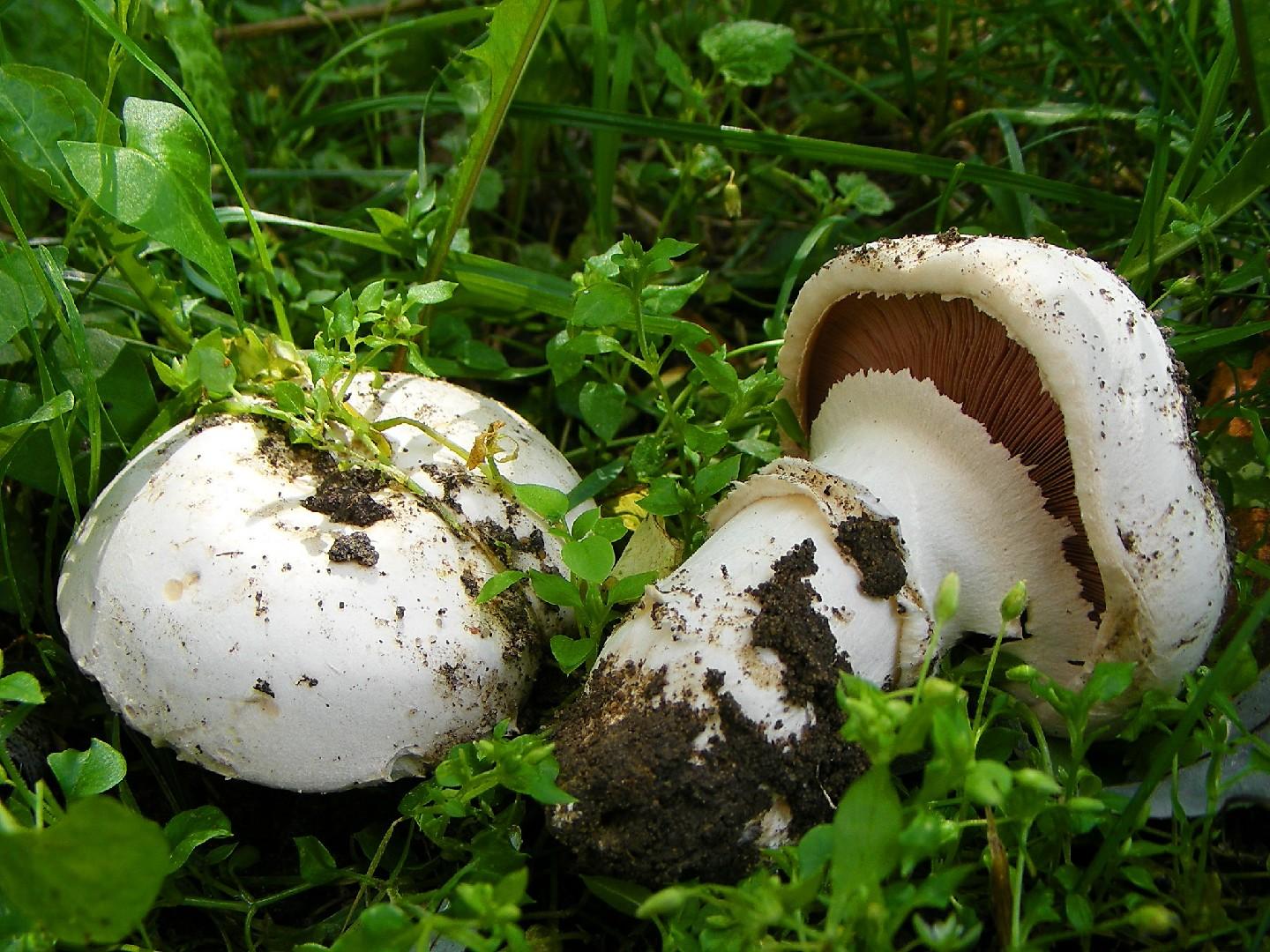
Cap 2.5 - 14 cm across; convex to round, flat; brown; with flat feathery scales
Cap Shape
Convex, Flat
Cap Surfaces
Fibrillose-scaly
Gills
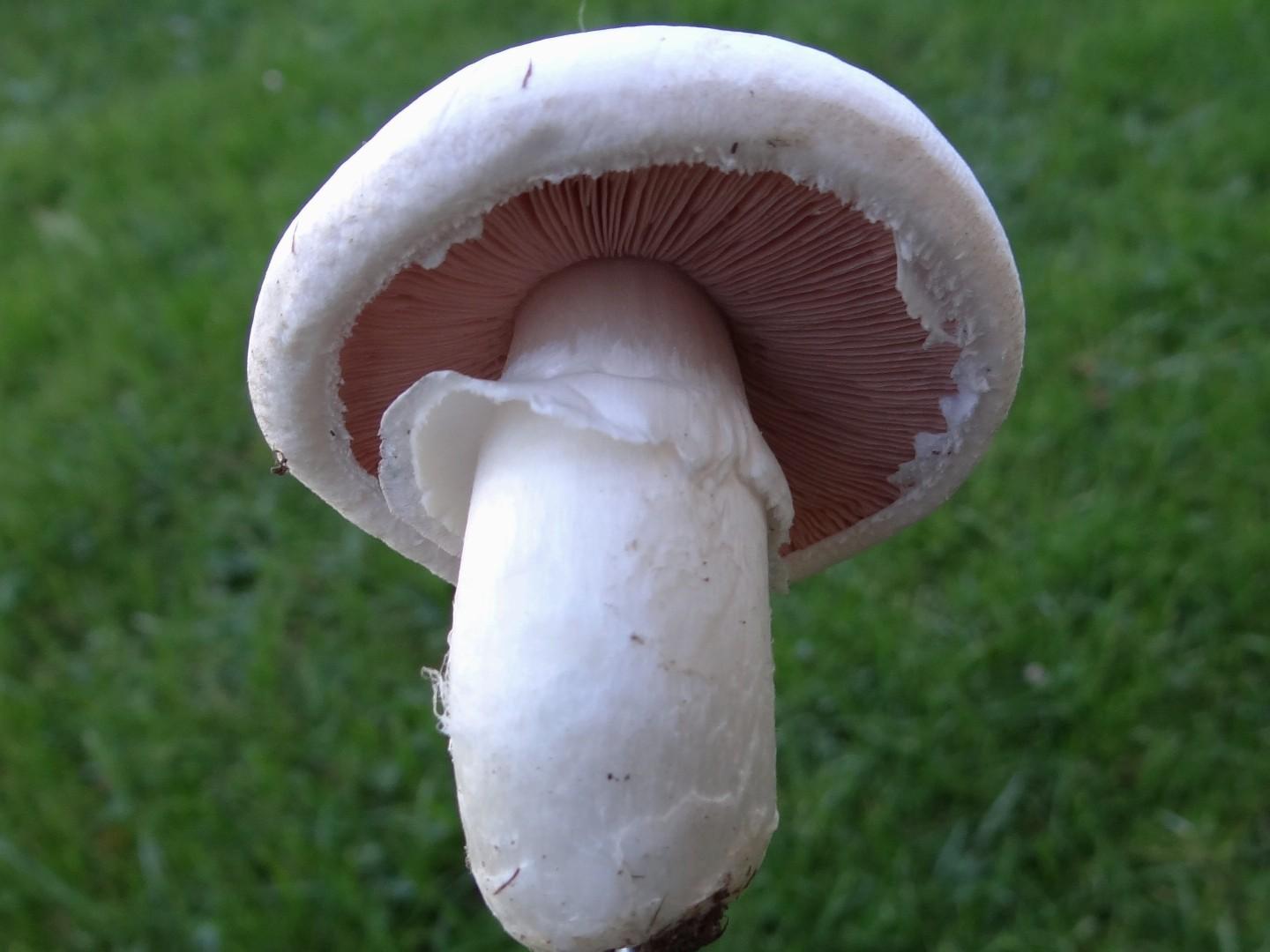
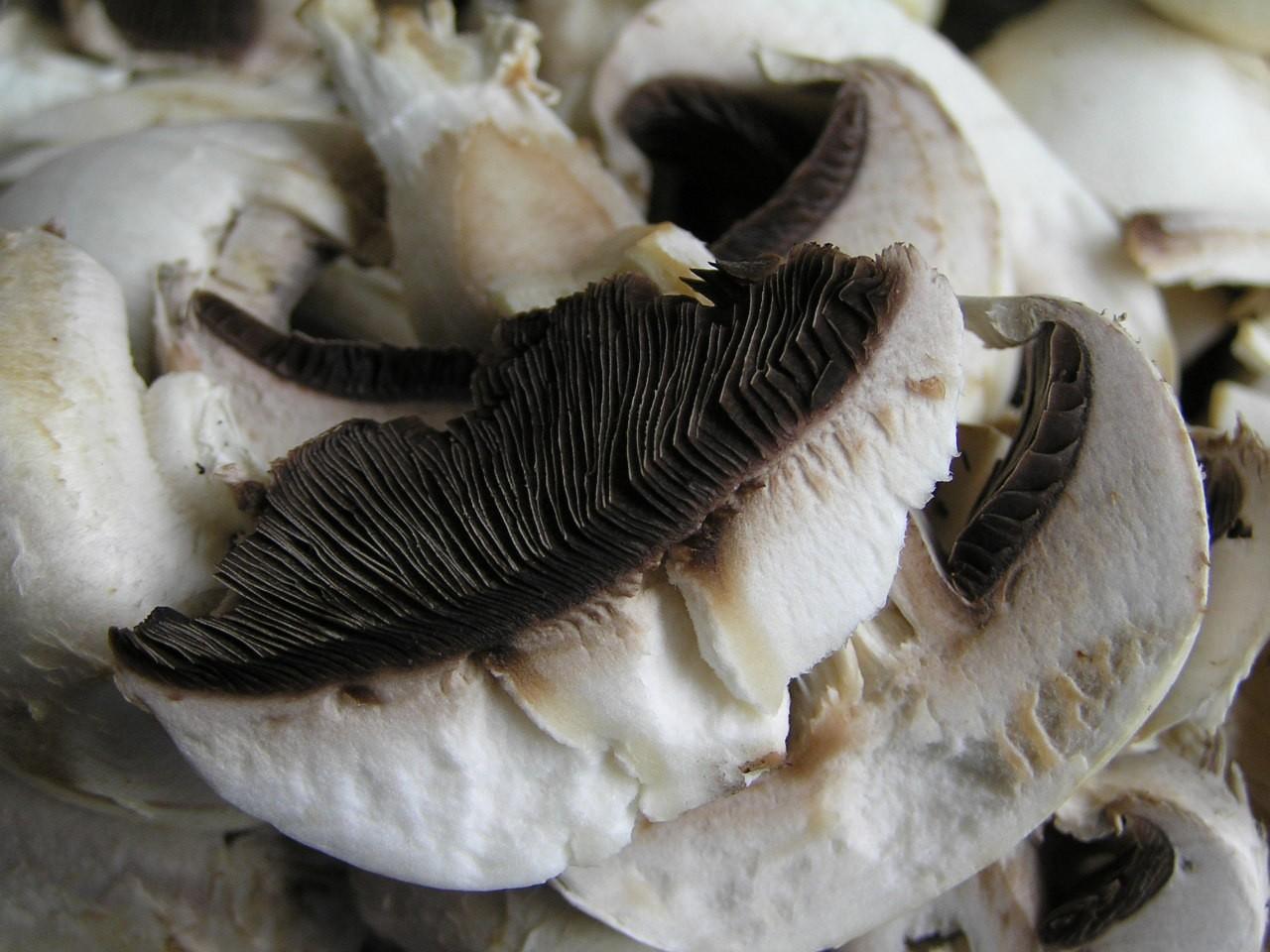
Free; close; pinkish to chocolate-brown
Gill Attachment
Free
Stem
Stem 2 - 7 cm long, 1 - 2.5 cm thick; white; surface smooth
Stem Shapes
Cylindrical
Stem Surfaces
Scaly
Flesh
Firm; white; turns pinkish to reddish, brownish when stained and bruised
Ring
With Ring
Spore Print Color
Dark chocolate-brown
Odor
Mildly earthy, typical mushroom scent.
Body Color
BrownGray
Flesh Bruises
Discolor to pink or red
Growth Form
Solitary, Scattered, Gregarious
Nutrient Gathering
Saprophytic
Substrate
On soil, On animal dung, Wood Chips or Mulch
You can find Button mushroom by these plants
Junipers
Occurence Habitats
Disturbed Lands, Meadows
Species Status
Uncommon to rare
Endangered Species
No
Scientific Classification of Button mushroom
Phylum
Club fungi
Class
Mushroom-forming fungi
Order
Gilled fungi
Family
Agaricaceae
Genus
Agaricus
Toxicity and Edibility of Button mushroom
Is Button mushroom Toxic?
Toxicity information is not available for this mushroom. Always consult with an expert before consuming any wild mushrooms.