Meadow mushroom
Agaricus campestris
A species of Agaricus. Also known as Meadow agaricus, Common field mushroom.
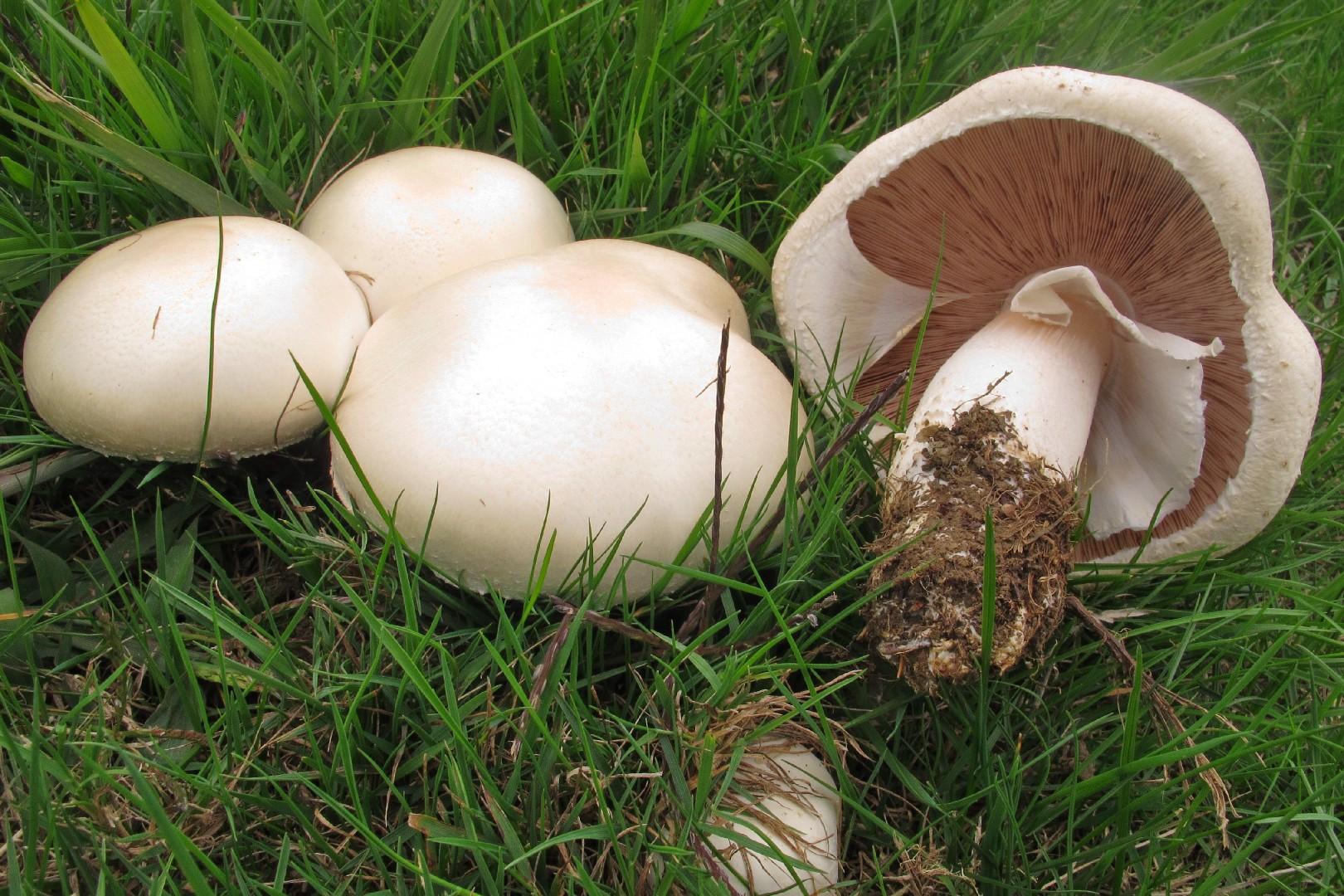
The meadow mushroom, a species identified initially in Europe, thrives globally in warm, damp conditions in meadows and pastures, particularly those fertilized by manure. It's often observed in distinctive fairy ring formations. However, it's worth noting that specimens in North America currently classified as meadow mushrooms might, upon genetic analysis, be reclassified as distinct species.
In This Article
Attributes of Meadow mushroom
Cap Diameter
3 - 10 cm
Height
5 - 12 cm
Cap
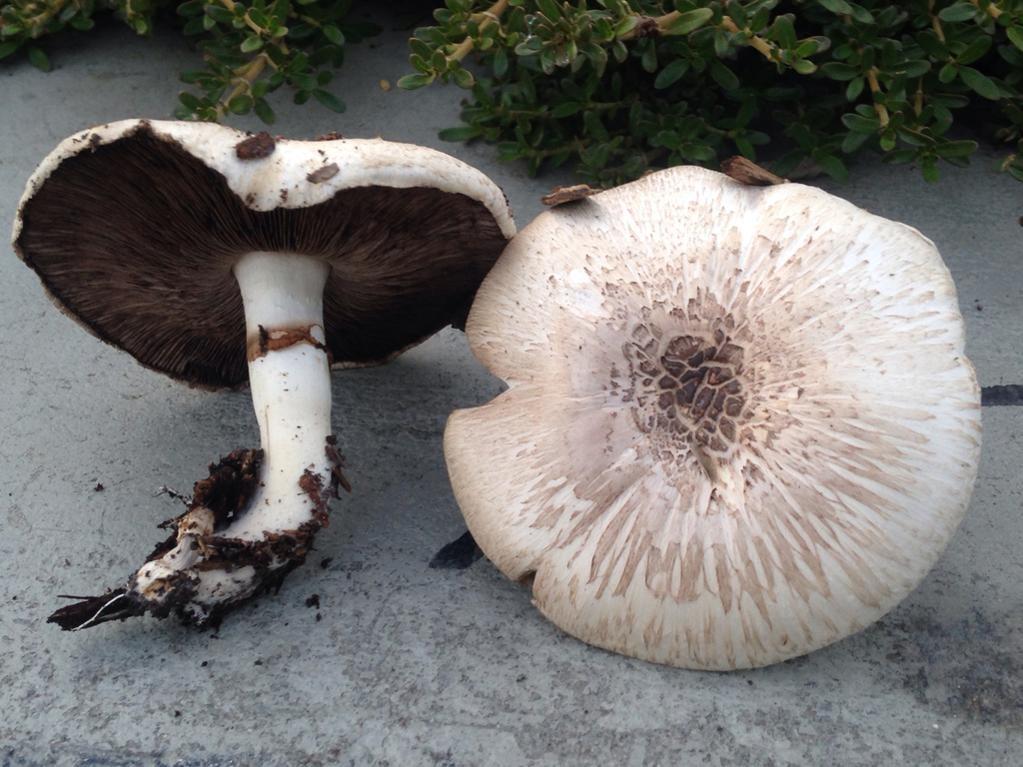
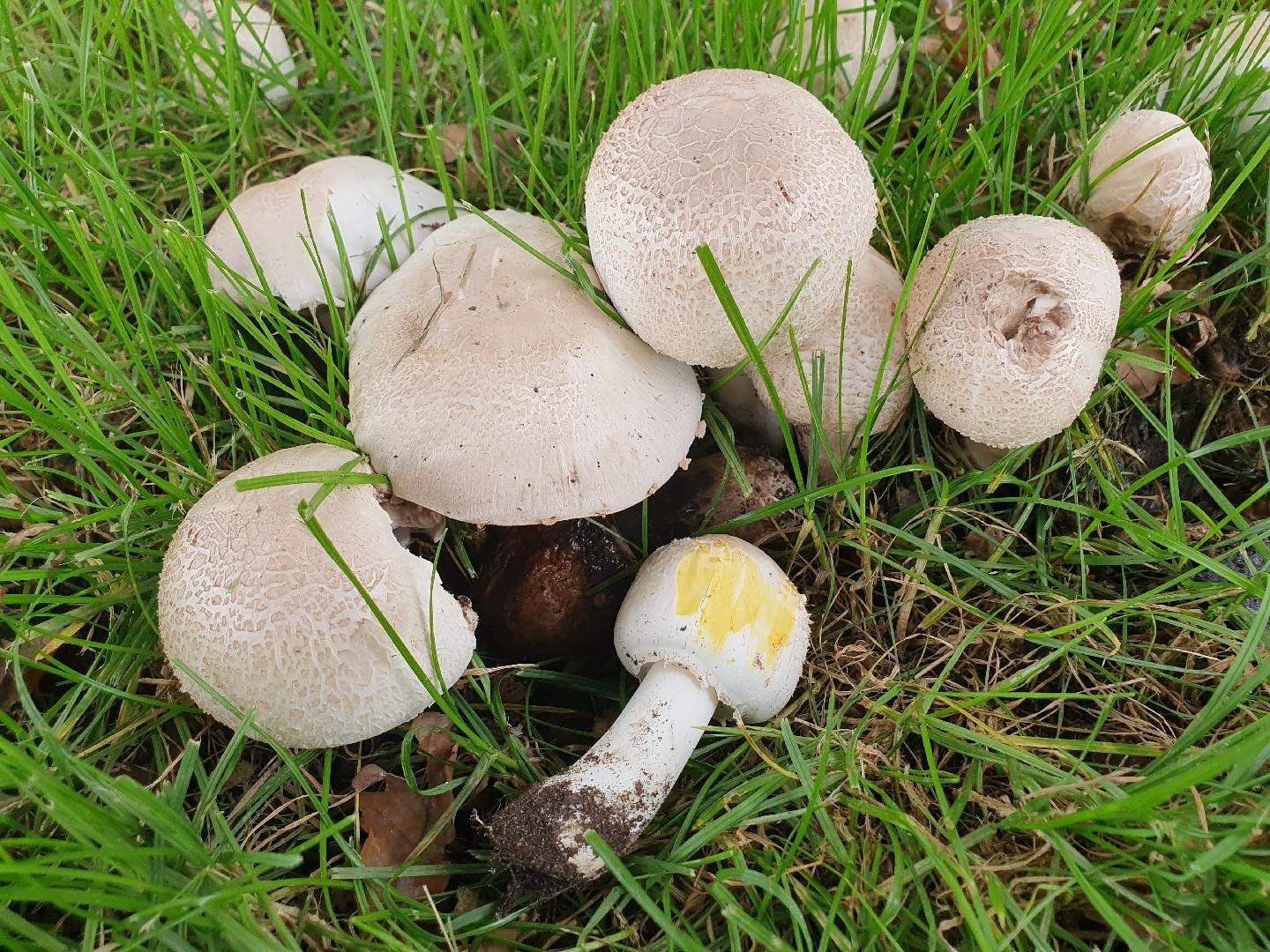
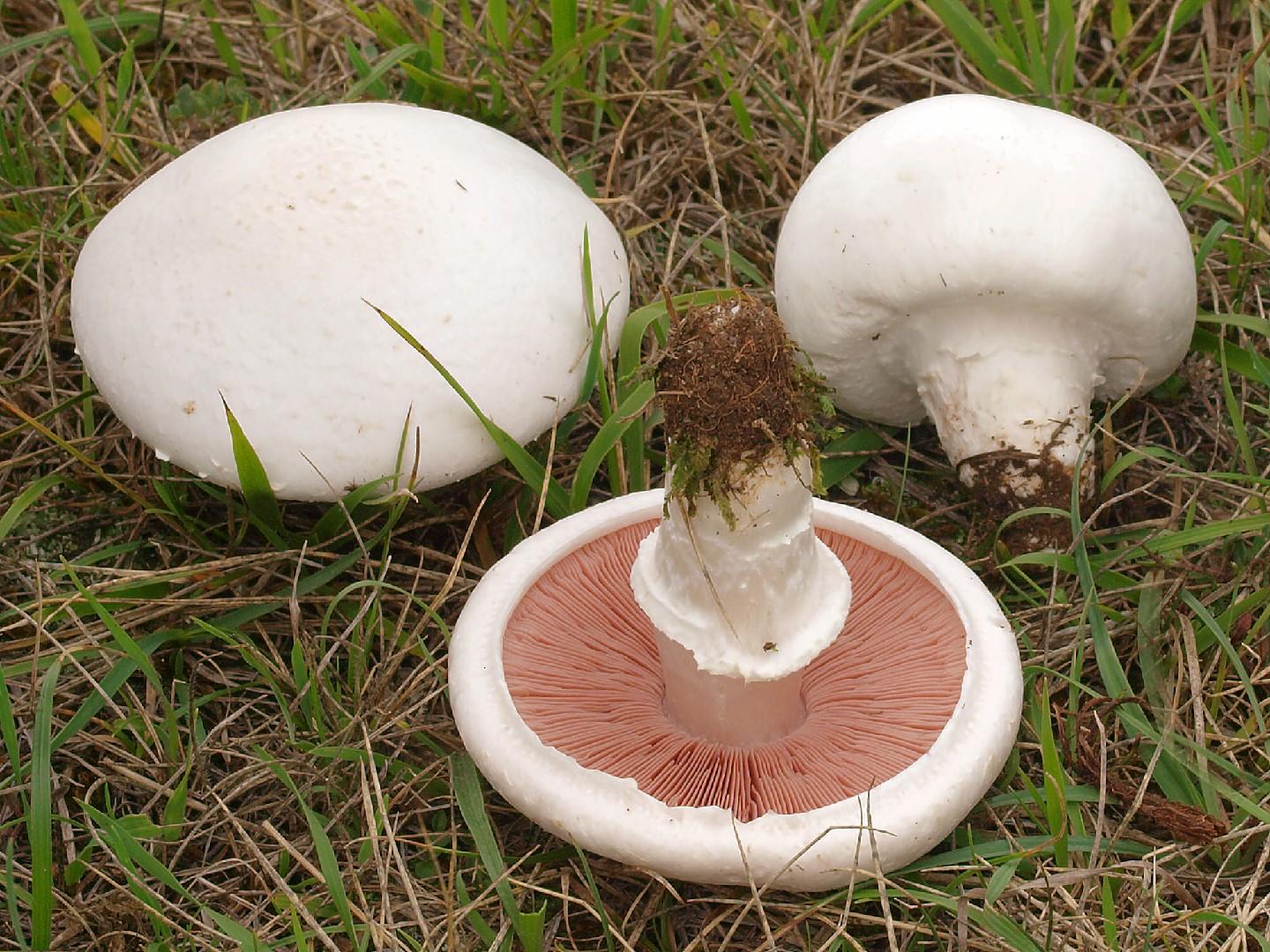
Cap 3 - 12 cm across; hemispherical to flat; white to grayish white, yellowish; surface smooth
Cap Shape
Convex, Flat, Central Bump
Cap Surfaces
Smooth, Fibrillose-scaly
Gills
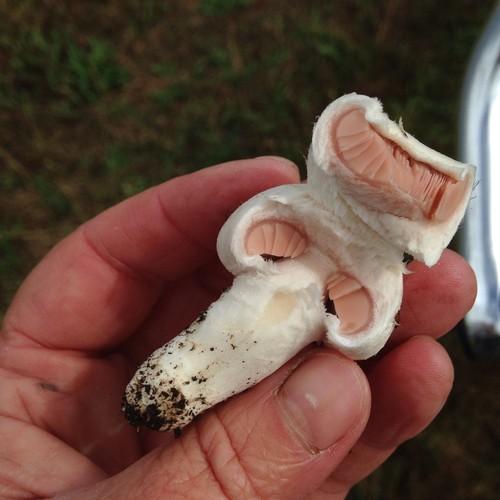
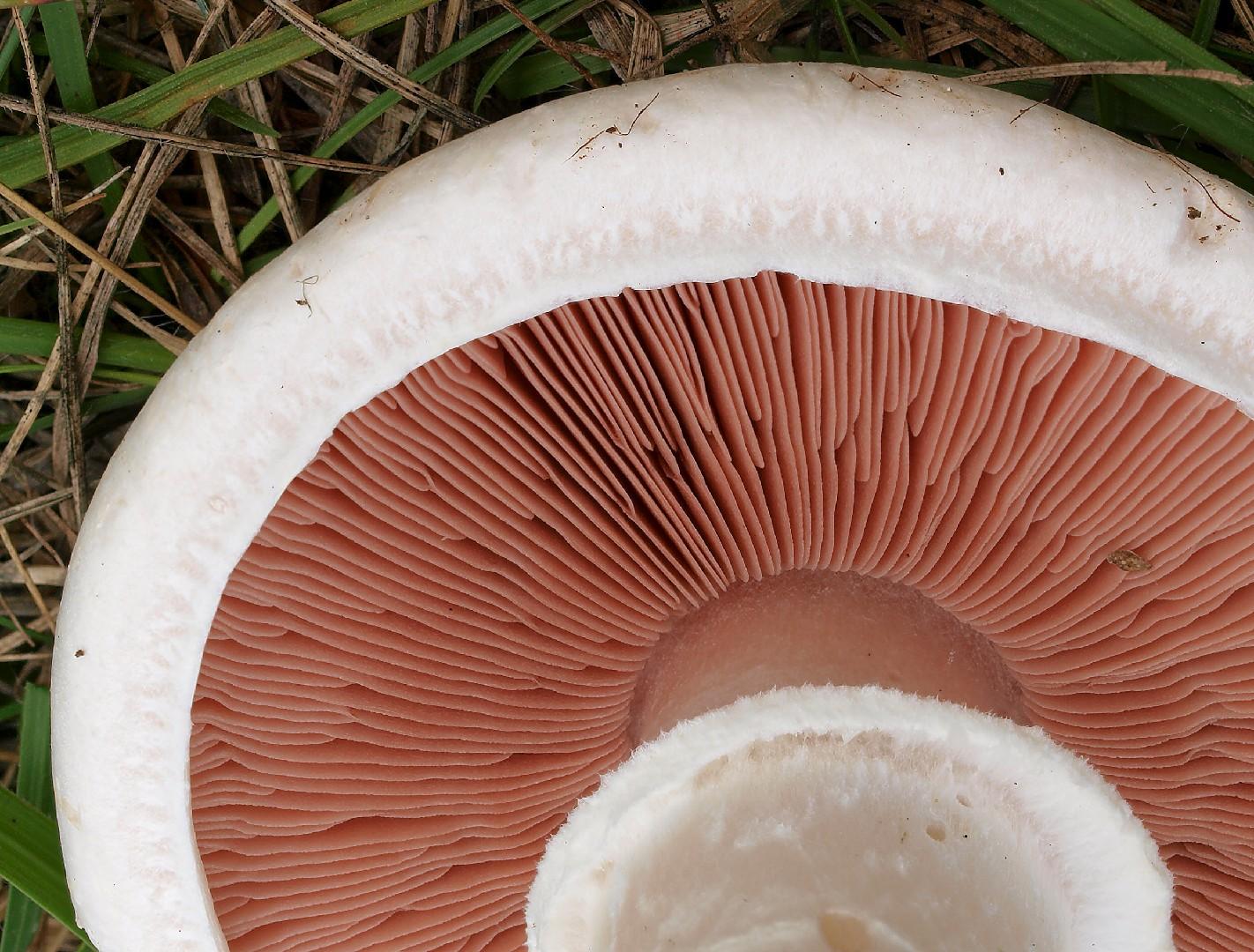
Free; crowded; pink, reddish brown, chocolate-brown
Gill Attachment
Free
Stem
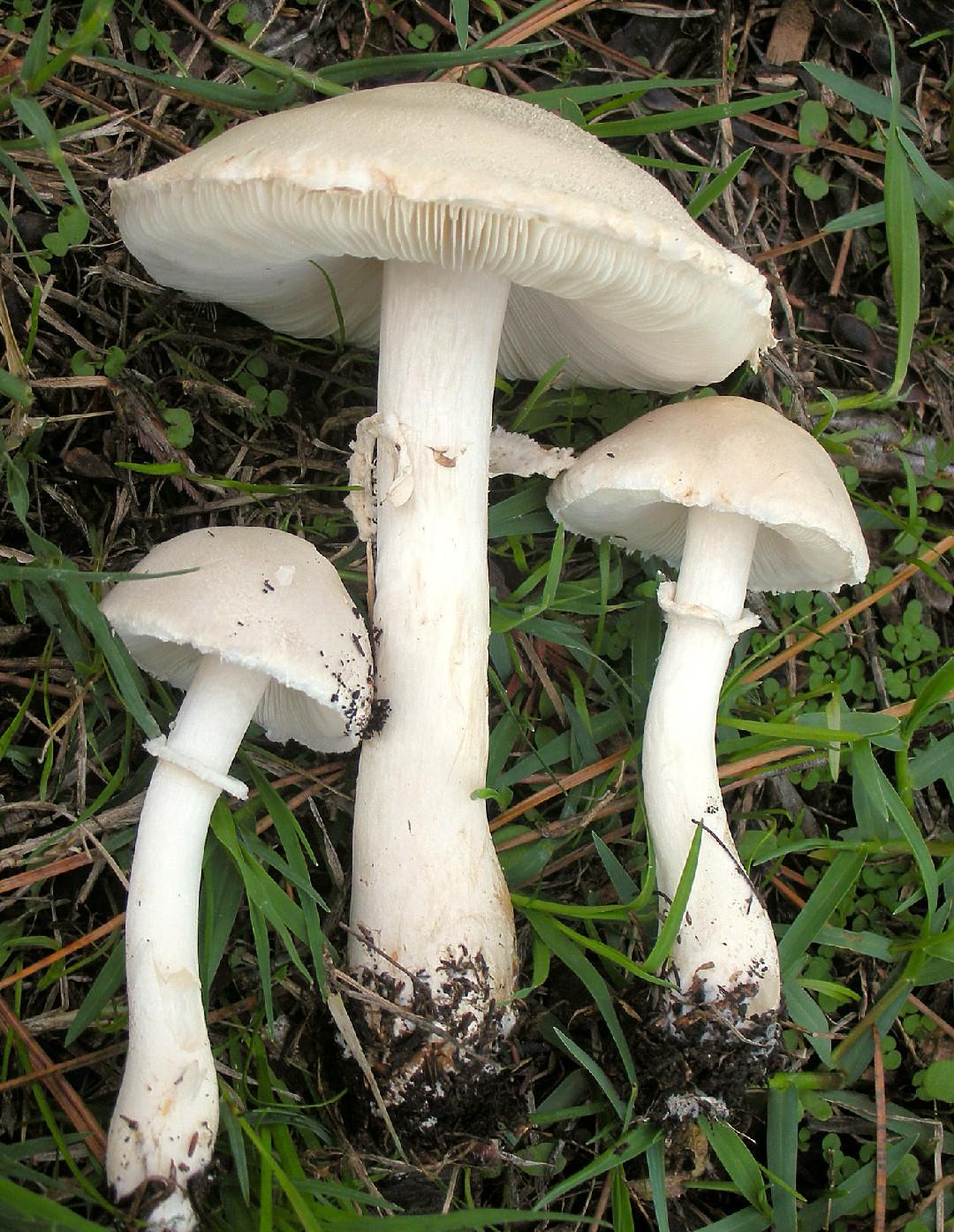
Stem 3 - 10 cm long, 1 - 2 cm thick; white; surface smooth
Stem Shapes
Cylindrical
Stem Surfaces
Velvety
Flesh
White; unchanging color
Ring
With Ring
Spore Print Color
Dark chocolate brown
Odor
Mildly mushroomy but not distinctive.
Body Color
White
Flesh Bruises
Discolor to pink or red
Growth Form
Solitary, Scattered, Gregarious
Nutrient Gathering
Saprophytic
Substrate
On soil
You can find Meadow mushroom by these plants
Oaks
Occurence Habitats
Meadows
Species Status
Least Concern
Endangered Species
No
Scientific Classification of Meadow mushroom
Phylum
Club fungi
Class
Mushroom-forming fungi
Order
Gilled fungi
Family
Agaricaceae
Genus
Agaricus
Toxicity and Edibility of Meadow mushroom
Is Meadow mushroom Toxic?
Toxicity information is not available for this mushroom. Always consult with an expert before consuming any wild mushrooms.