Bronze bolete
Boletus aereus
A species of Boletus.
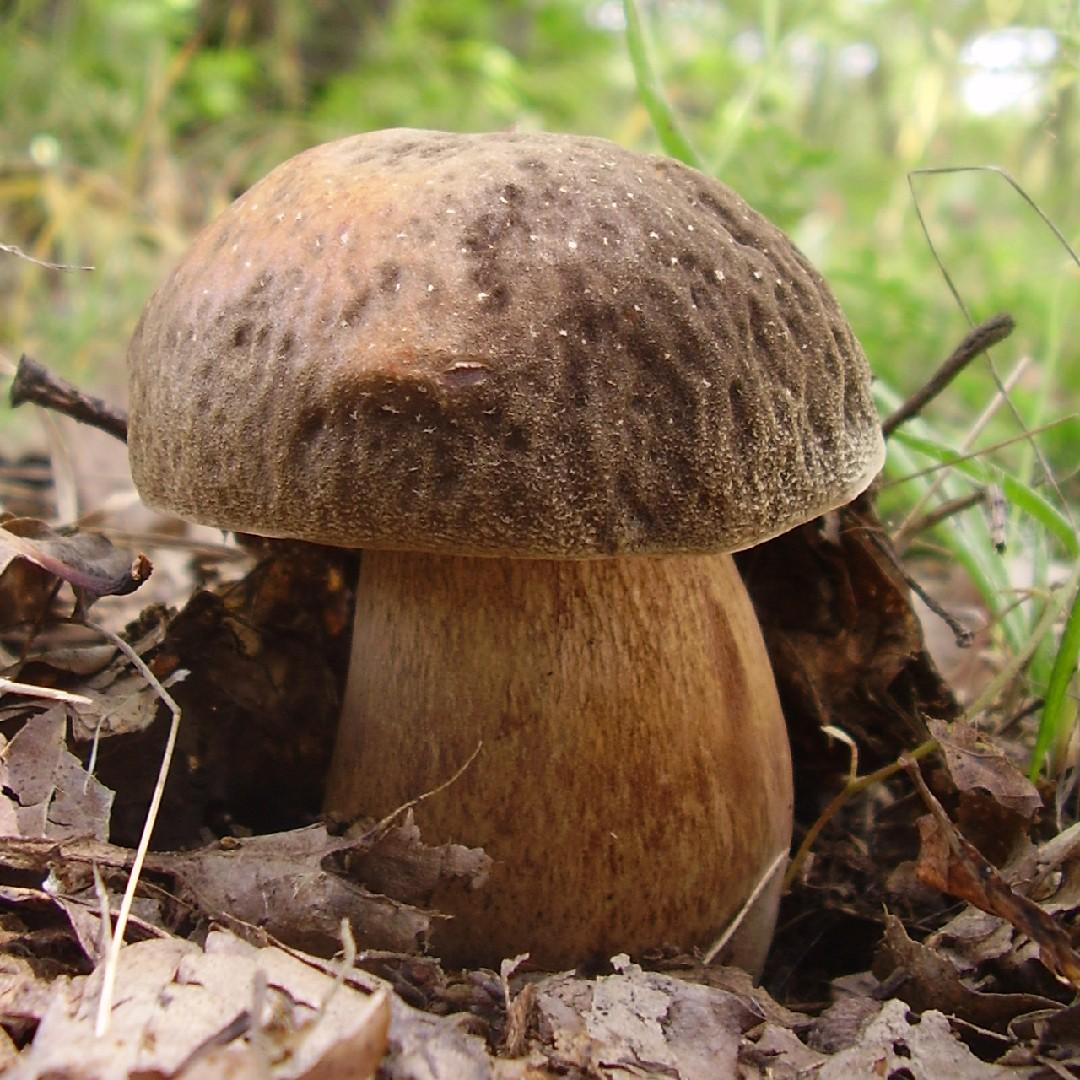
Originally documented in Europe, the bronze bolete was long believed to also inhabit North America. However, subsequent molecular analysis revealed that the North American fungi, designated Boletus regineus, was a distinct species. The bronze bolete typically appears during warm, arid summer periods. Its Latin epithet, aereus, which translates to fitted with bronze, aptly describes the hue of its velvety cap.
In This Article
Attributes of Bronze bolete
Cap Diameter
15 - 40 cm
Height
6 - 15 cm
Cap
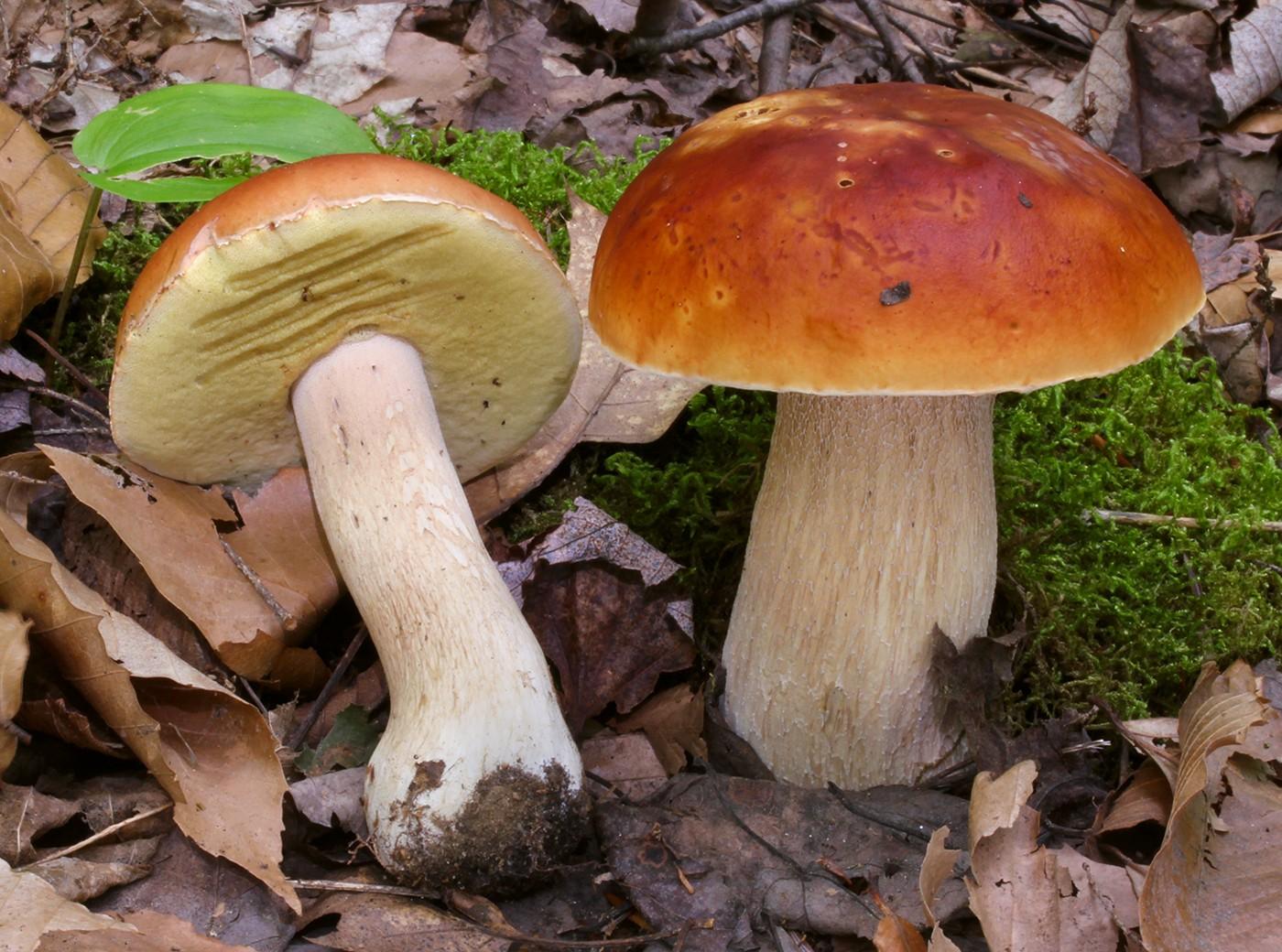
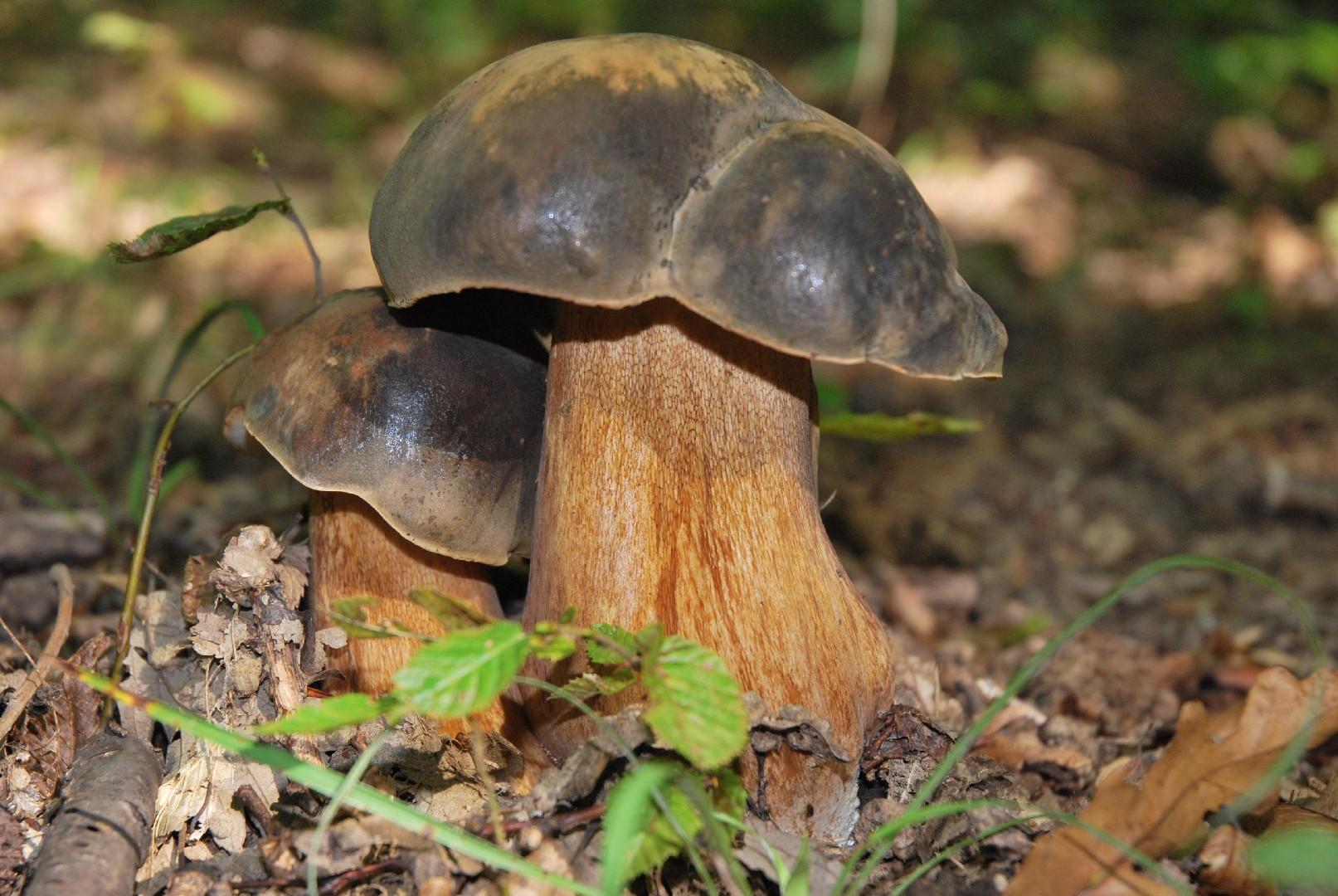
Cap 15 - 40 cm in diameter; hemispherical to convex; dark brown; dry or moist, smooth or pitted; with an even margin
Cap Shape
Convex
Cap Surfaces
Smooth, Velvety
Stem
Stem 6 - 15 cm high by 5 - 10 cm wide; barrel shaped to club shaped; white to pinkish brown; covered in a brown or concolorous reticulation
Stem Shapes
Club Shaped
Stem Surfaces
With Reticulum
Flesh
Thick; whitish or pale pinkish; not staining on exposure
Ring
Ringless
Spore Print Color
Olive-brown
Odor
Earthy, reminiscent of fresh forest soil.
Body Color
BrownWhitePink
Flesh Bruises
The flesh or milk does not discolor when bruised or cut.
Growth Form
Solitary, Gregarious
Nutrient Gathering
Mycorrhizal
Substrate
On soil
You can find Bronze bolete by these plants
Oaks, European beech
Occurence Habitats
Deciduous Woodland
Species Status
Locally abundant
Endangered Species
Yes
Scientific Classification of Bronze bolete
Phylum
Club fungi
Class
Mushroom-forming fungi
Order
Boletes and allies
Family
Boletes
Genus
Boletus
Toxicity and Edibility of Bronze bolete
Is Bronze bolete Toxic?
Toxicity information is not available for this mushroom. Always consult with an expert before consuming any wild mushrooms.