King bolete
Boletus edulis
A species of Boletus. Also known as Penny bun, Steinpilz.
Highly sought after in numerous culinary traditions, this palatable wild mushroom thrives globally, typically found near the root systems of woodland trees. In certain areas, porcini mushrooms are gathered in such substantial quantities that their commercial sale can provide a livelihood for whole families during the collection period. Porcinis are known to contain considerable amounts of fiber, B and C vitamins, as well as calcium, potassium, magnesium, zinc, and a variety of antioxidants.
In This Article
Attributes of King bolete
Cap Diameter
8 - 30 cm
Height
8 - 25 cm
Cap
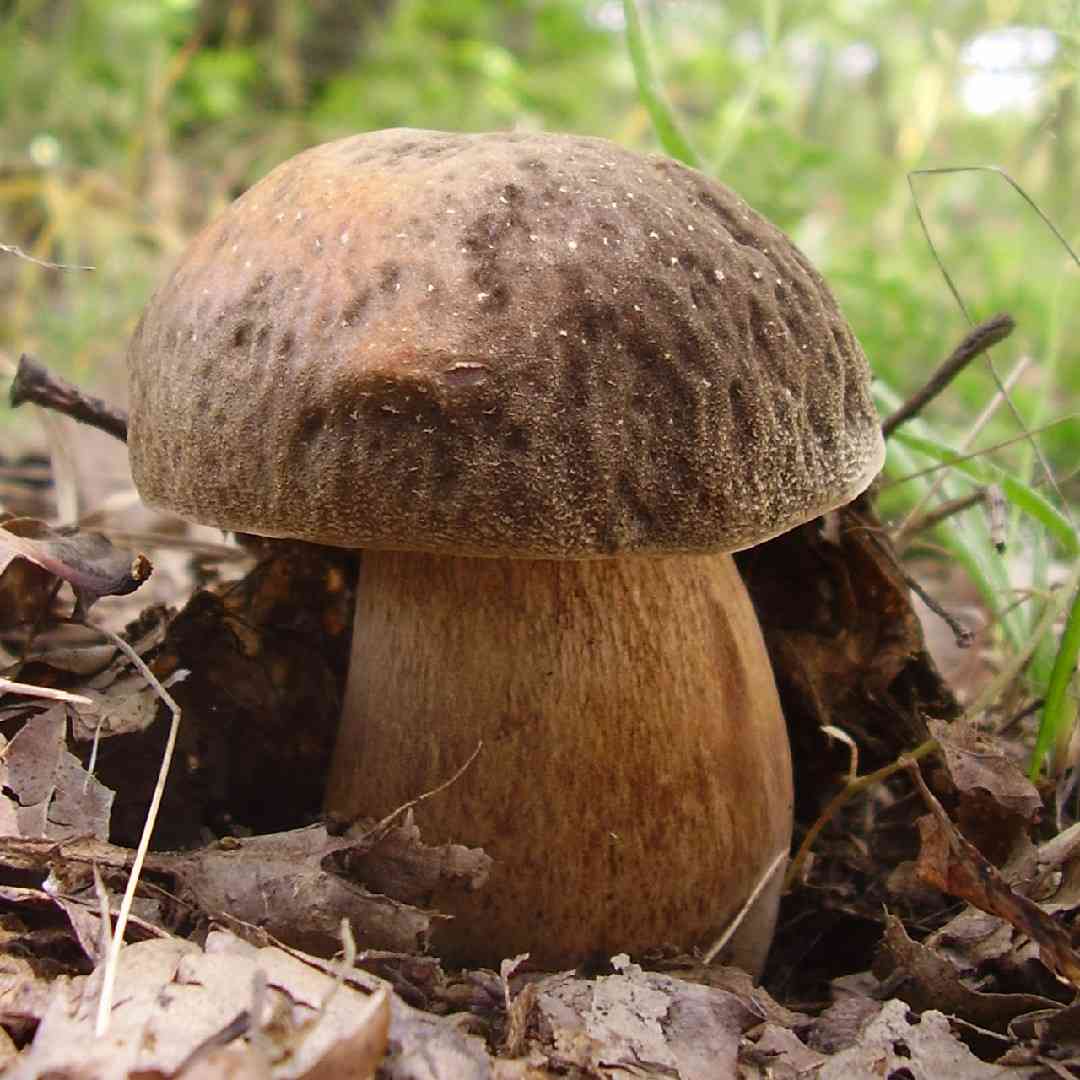
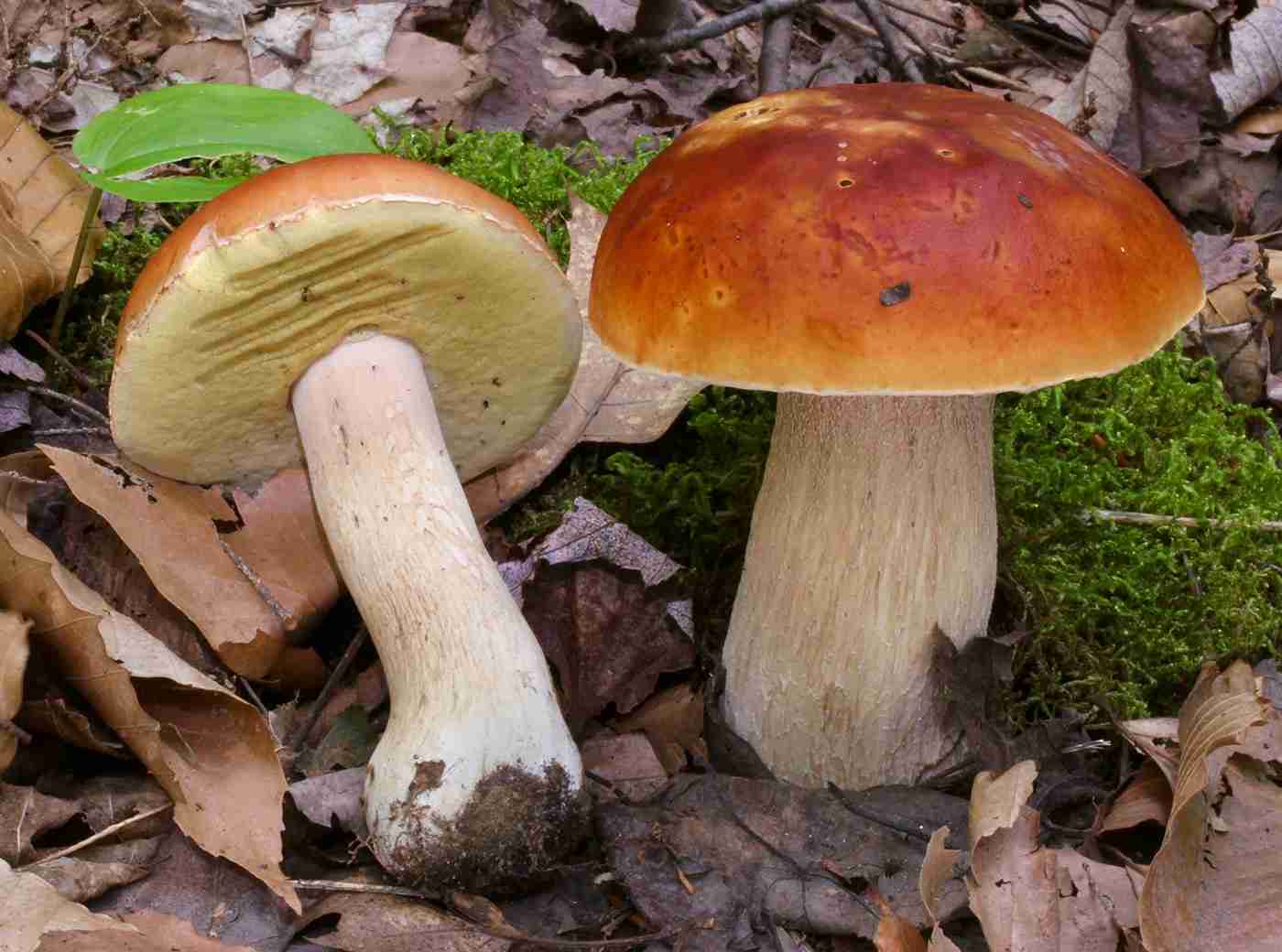
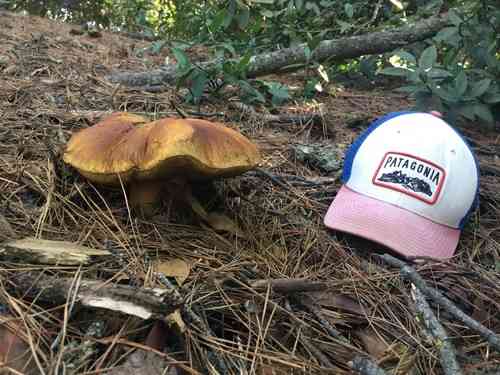
7 - 40 cm in diameter; convex, flat; brown, reddish brown; smooth to wrinkled
Cap Shape
Convex
Cap Surfaces
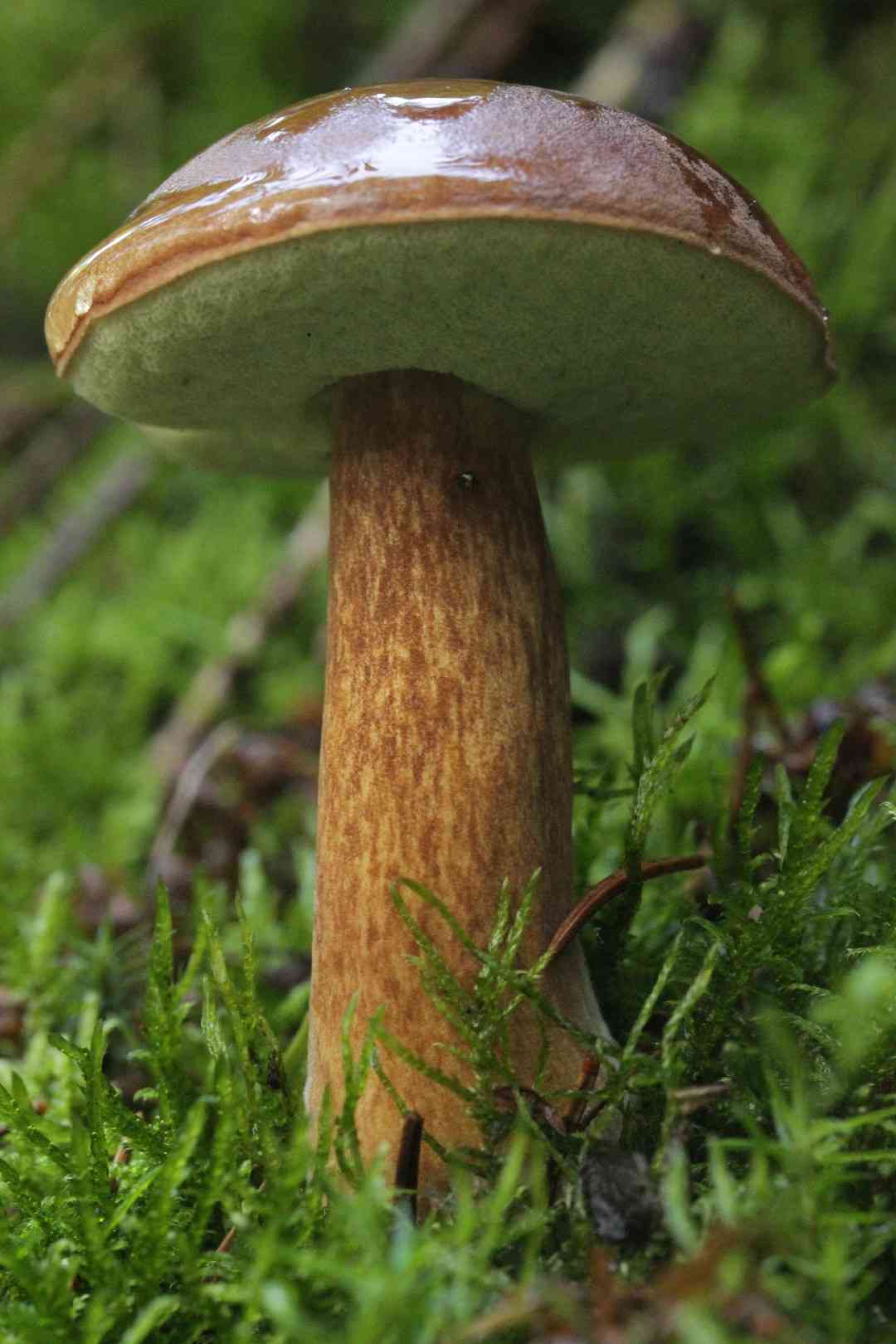
Smooth, Slimy or slightly sticky
Stem
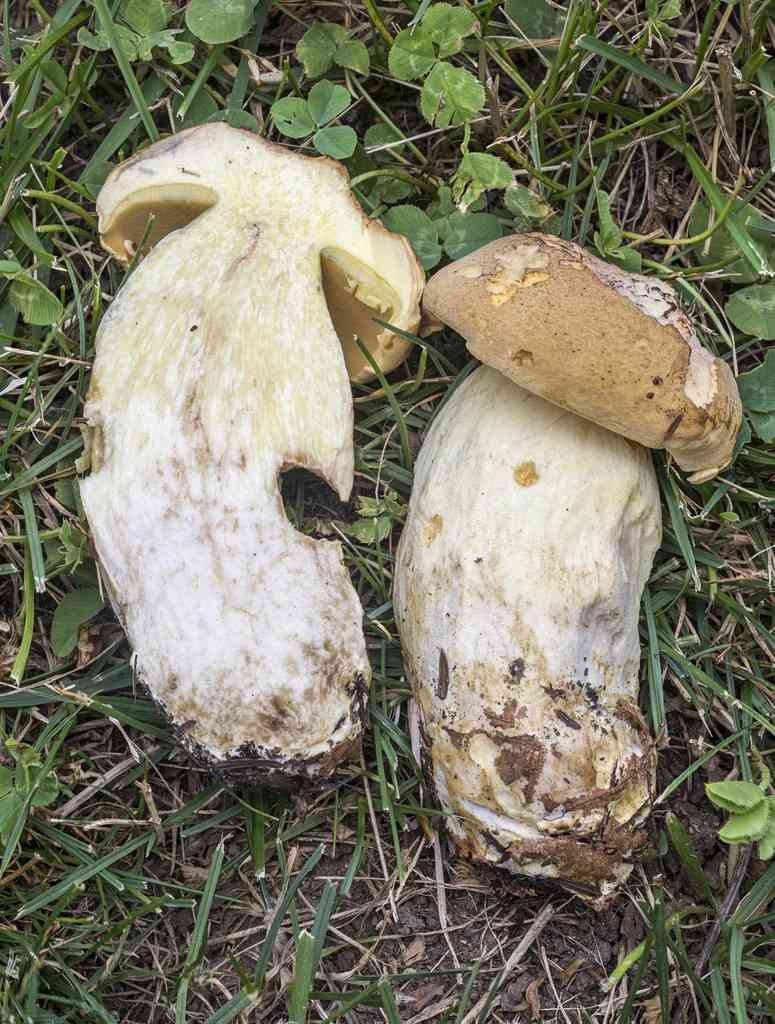
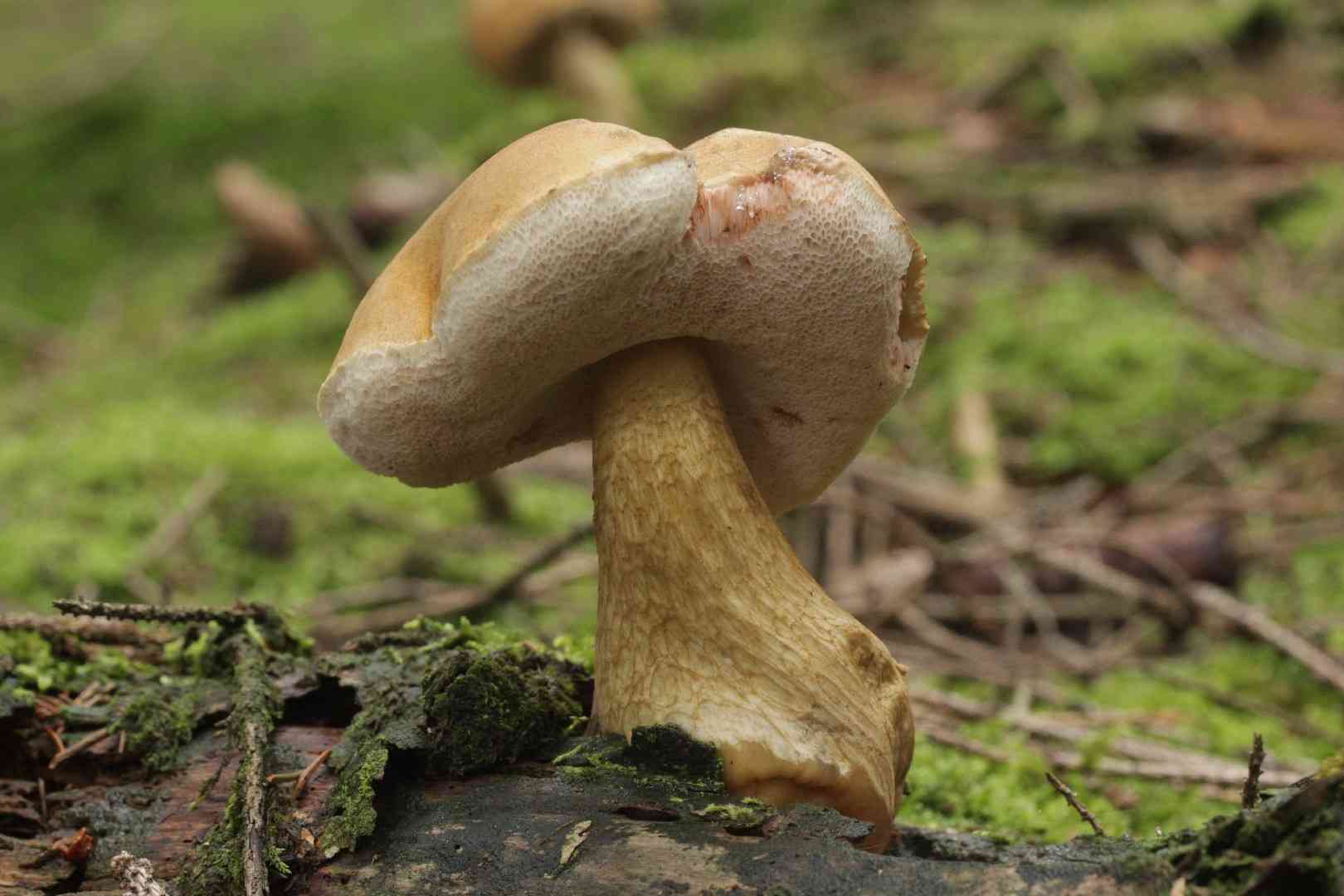
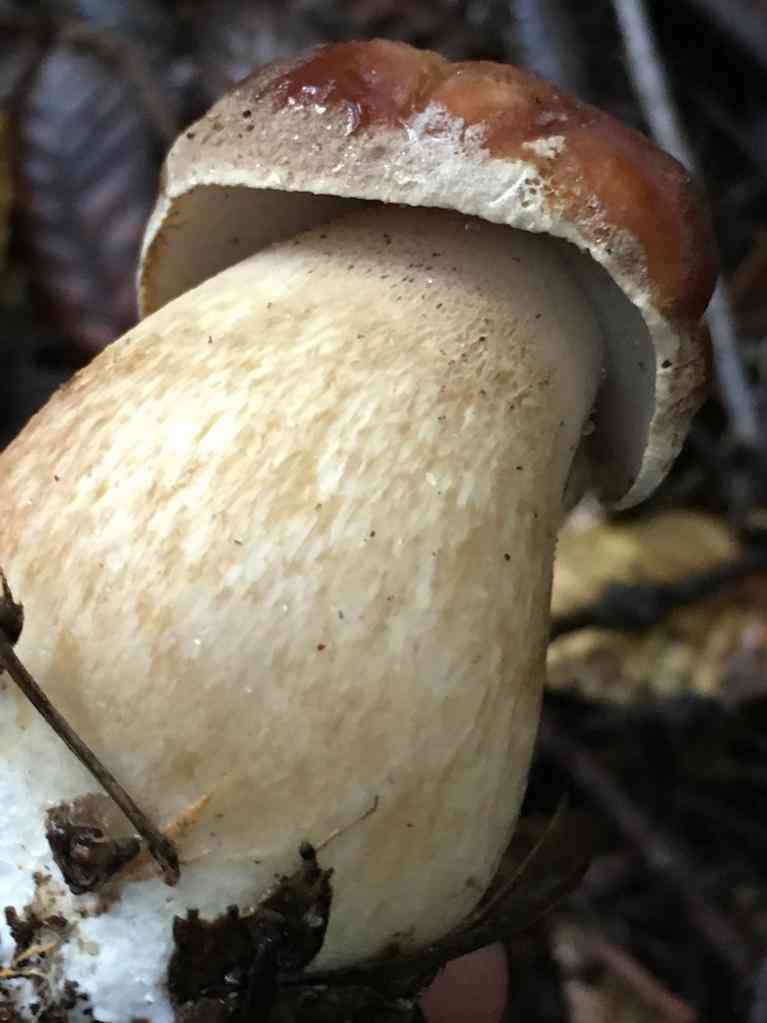
8 - 25 cm in height, up to 7 cm thick; club-shaped; whitish to buff
Stem Shapes
Club Shaped
Stem Surfaces
With Reticulum
Flesh
White, unchanging when sliced
Ring
Ringless
Spore Print Color
Olive-brown
Odor
Faintly pleasant, subtly earthy, not distinctive.
Body Color
BrownWhite
Flesh Bruises
The flesh or milk does not discolor when bruised or cut.
Growth Form
Solitary, Gregarious, Scattered
Nutrient Gathering
Mycorrhizal
Substrate
On soil
You can find King bolete by these plants
Bishop pine, Spruces, Oaks
Occurence Habitats
Coniferous Woodland, Mixed Woodland, Scrublands
Species Status
Least Concern
Endangered Species
No
Scientific Classification of King bolete
Phylum
Club fungi
Class
Mushroom-forming fungi
Order
Boletes and allies
Family
Boletes
Genus
Boletus
Toxicity and Edibility of King bolete
Is King bolete Toxic?
Toxicity information is not available for this mushroom. Always consult with an expert before consuming any wild mushrooms.