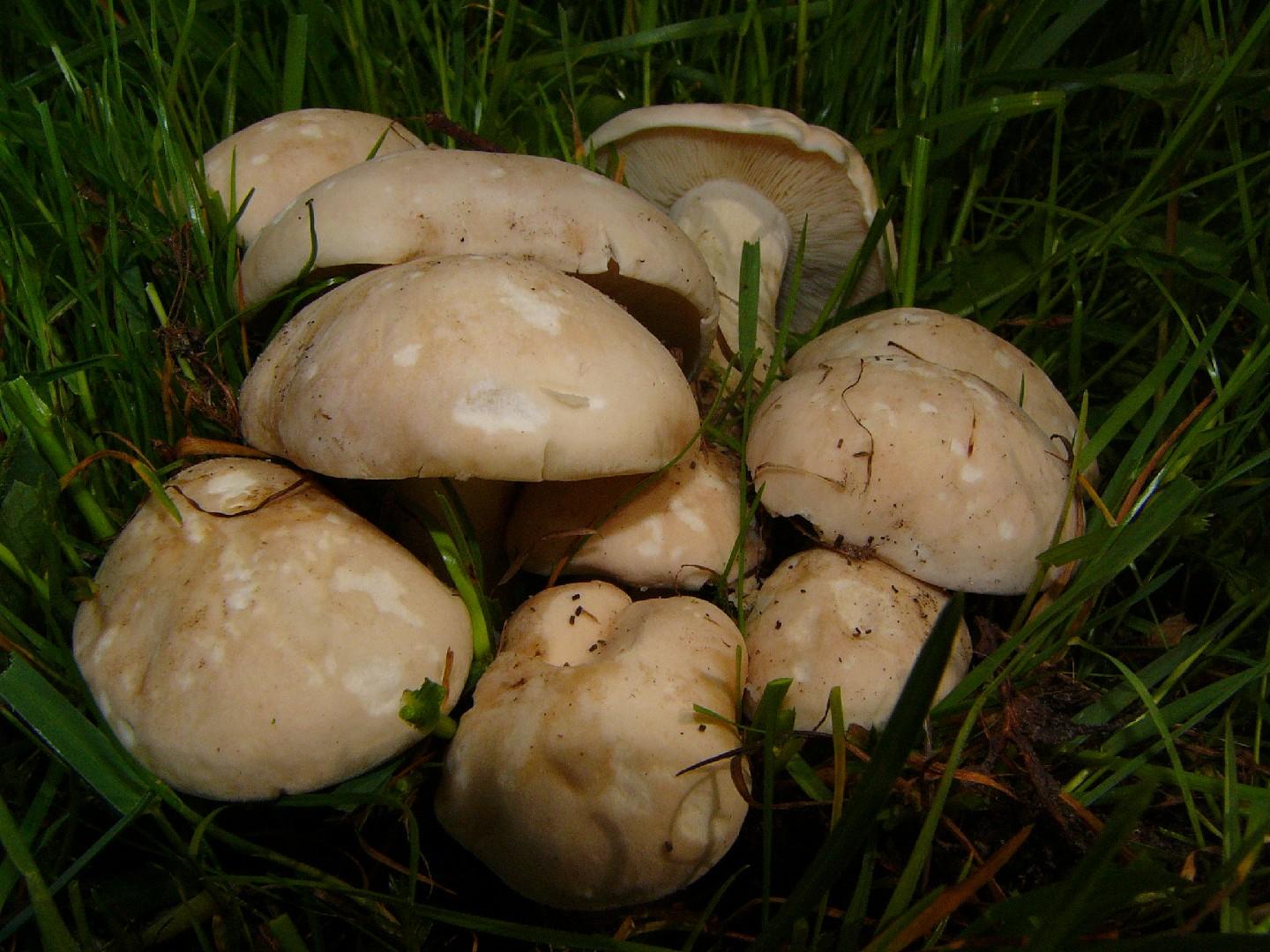
St. George's mushroom
Calocybe gambosa
A species of Domecaps.
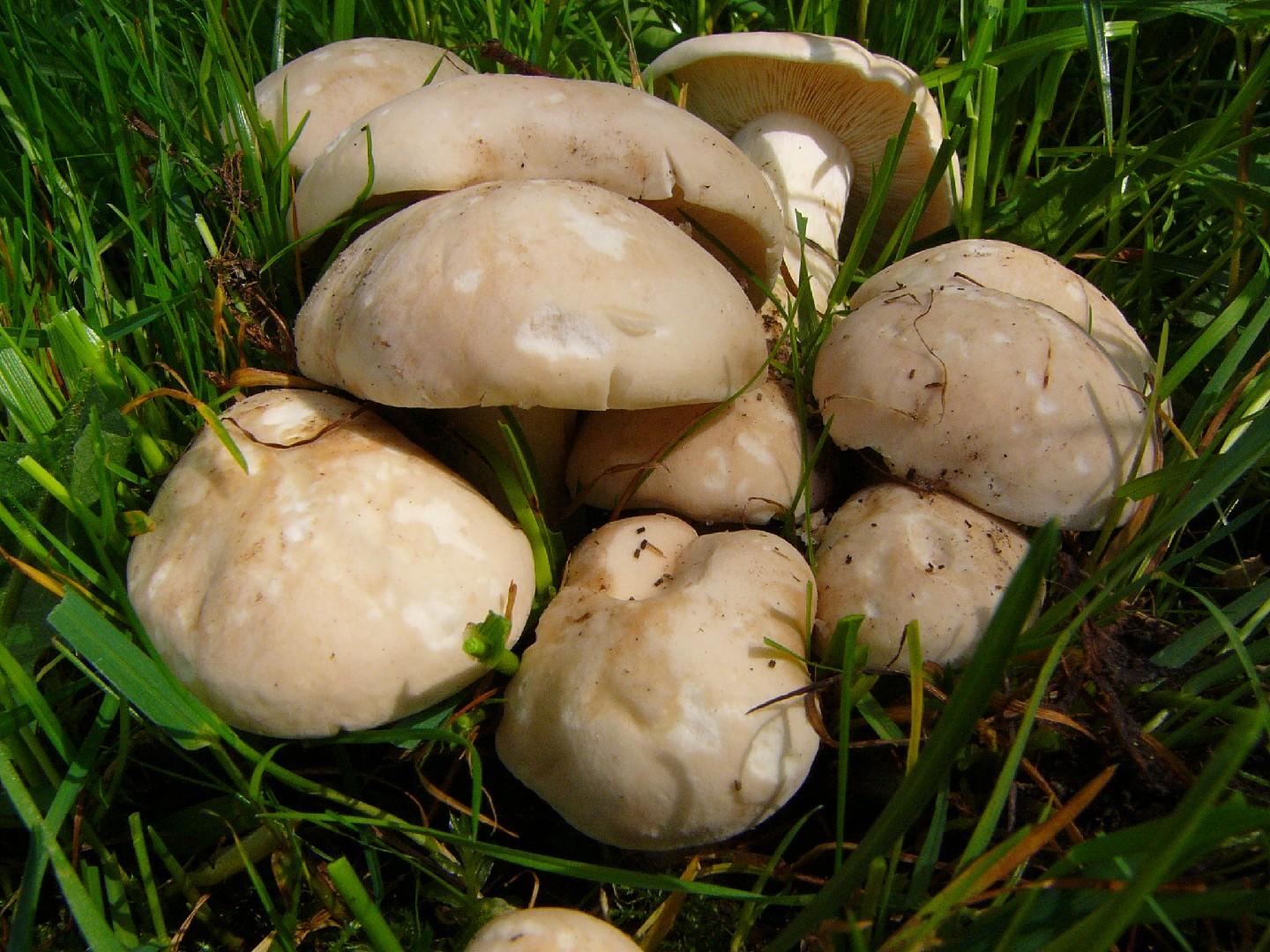
The St. George's mushroom is readily identifiable due to its agreeable, mealy aroma. In the United Kingdom, these fungi emerge around the period of the holiday from which they take their name, frequently forming in what are known as fairy rings, and consistently in the same spot. Accounts exist of these hundred-year-old fairy rings of St. George's mushrooms enduring over long periods.
In This Article
Attributes of St. George's mushroom
Cap Diameter
4 - 16 cm
Height
5 - 10 cm
Cap
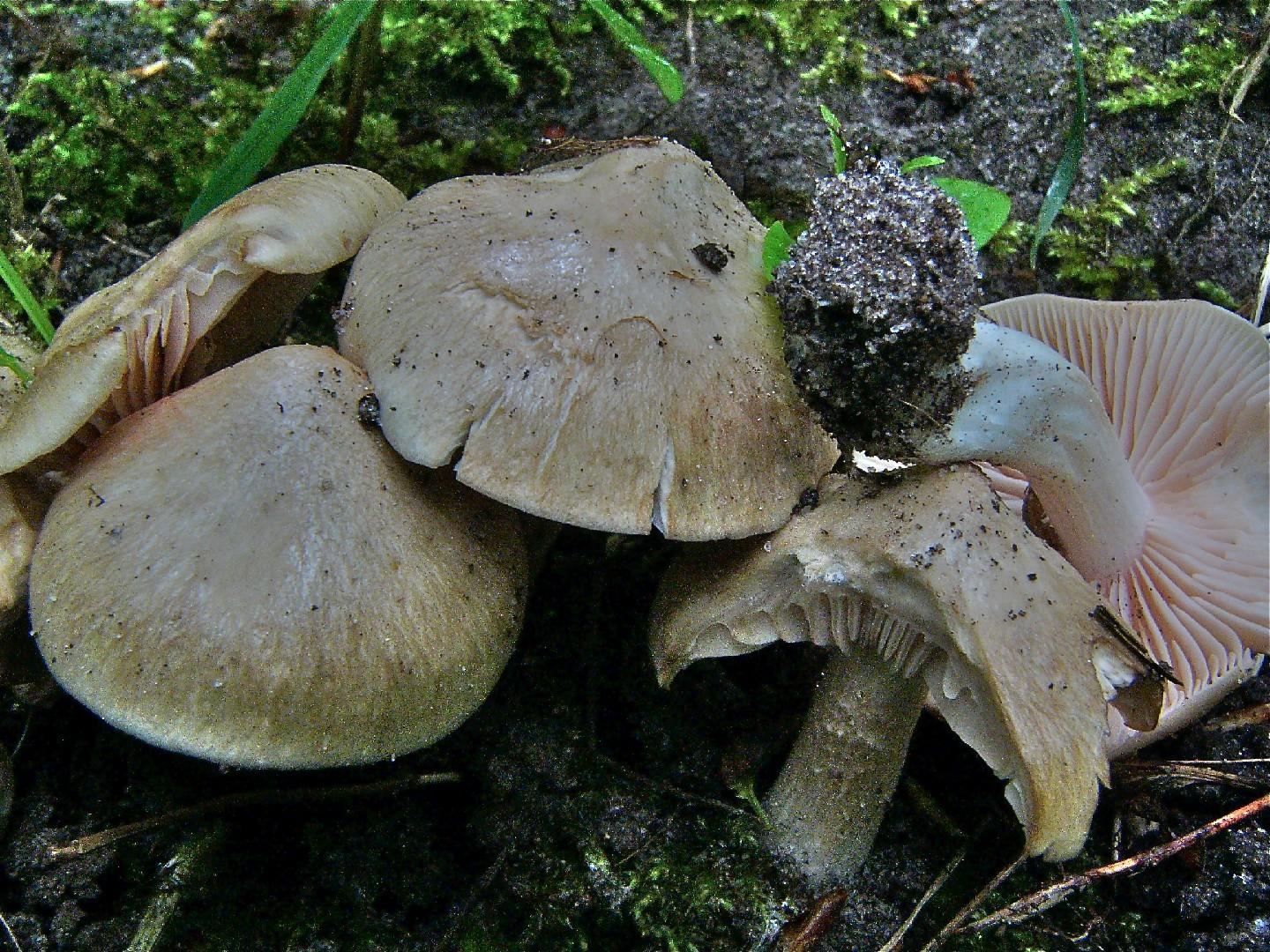
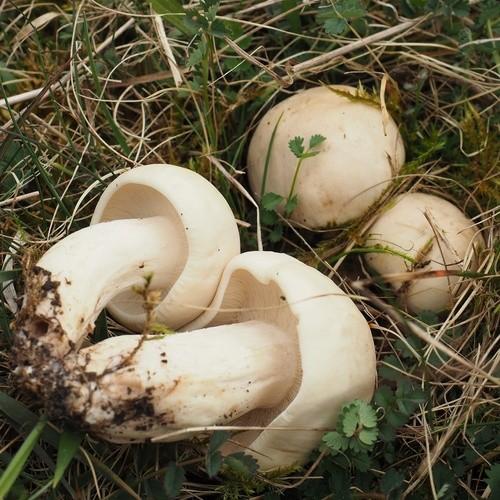
Cap 5 - 15 cm across; domed; white to cream; smooth
Cap Shape
Convex, Flat
Cap Surfaces
Smooth
Gills
Rather crowded; whitish
Gill Attachment
Notched
Stem
Stem 4 - 8 cm long, 1.5 - 3 cm thick; club-shaped, cylindrical; white to cream; smooth
Stem Shapes
Club Shaped
Stem Surfaces
Smooth
Flesh
White; unchanging
Ring
Ringless
Spore Print Color
White
Odor
Mealy, reminiscent of freshly ground flour.
Body Color
YellowWhiteCream
Flesh Bruises
The flesh or milk does not discolor when bruised or cut.
Growth Form
Gregarious
Nutrient Gathering
Mycorrhizal, Saprophytic
Substrate
On soil
You can find St. George's mushroom by these plants
Oaks, Willows, Spruces
Occurence Habitats
Meadows, Deciduous Woodland, Scrublands
Species Status
Least Concern
Endangered Species
No
Scientific Classification of St. George's mushroom
Phylum
Club fungi
Class
Mushroom-forming fungi
Order
Gilled fungi
Family
Lyophyllaceae
Genus
Domecaps
Toxicity and Edibility of St. George's mushroom
Is St. George's mushroom Toxic?
Toxicity information is not available for this mushroom. Always consult with an expert before consuming any wild mushrooms.