Imperial cap
Catathelasma imperiale
A species of Catathelasma.
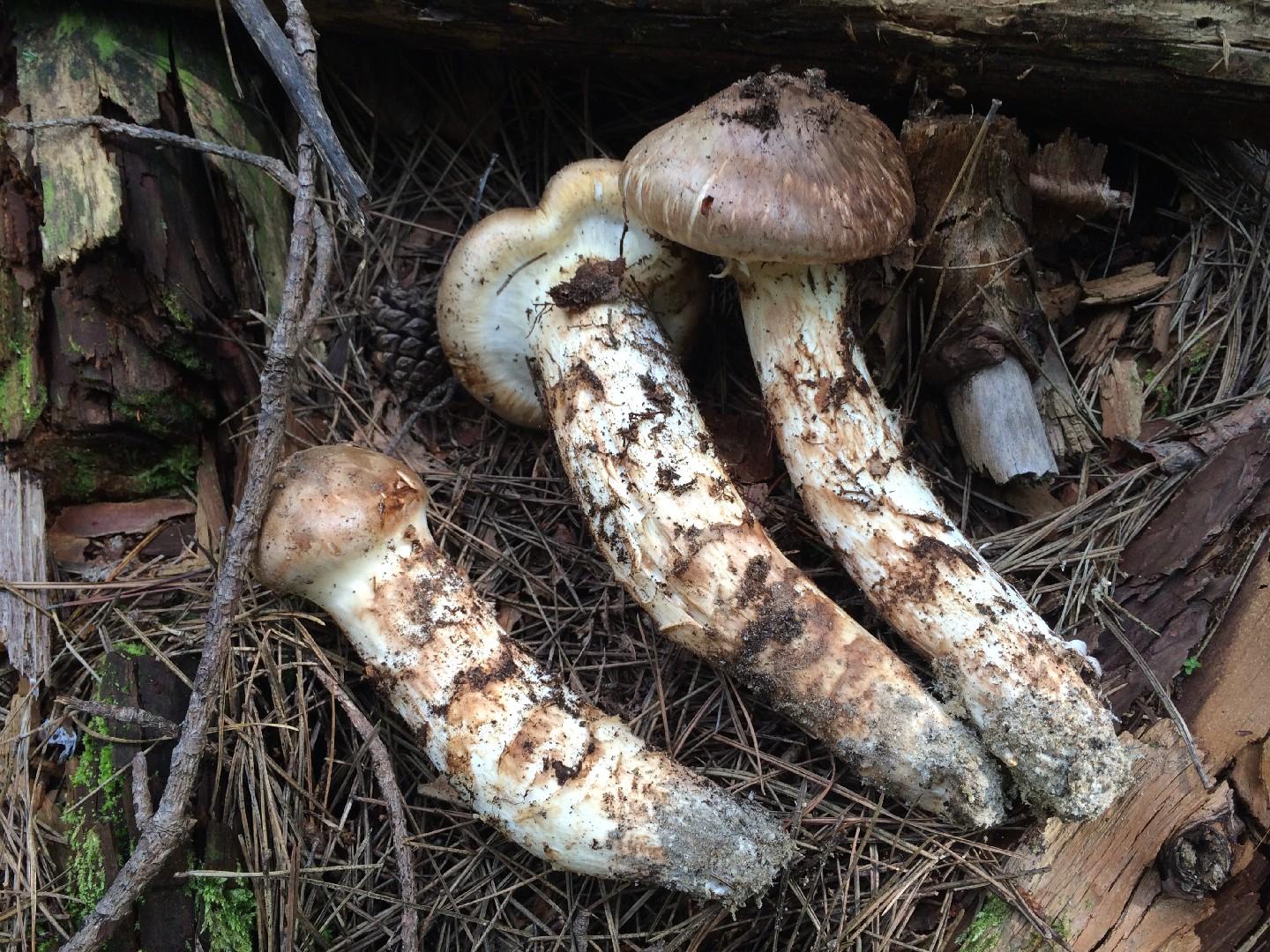
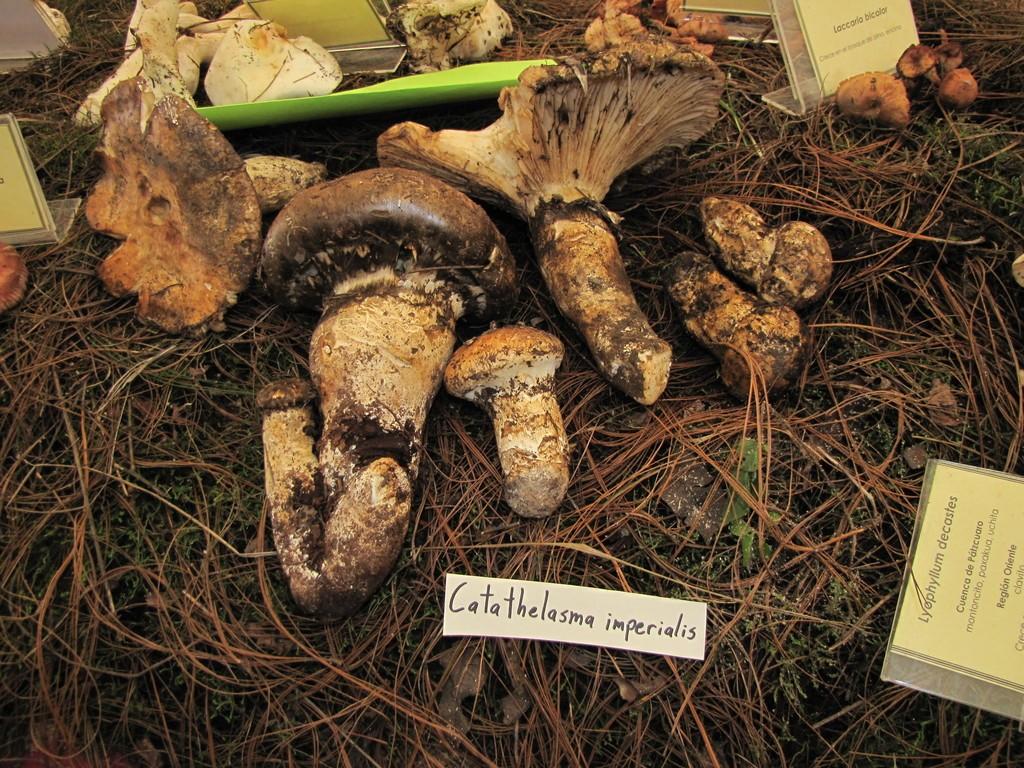
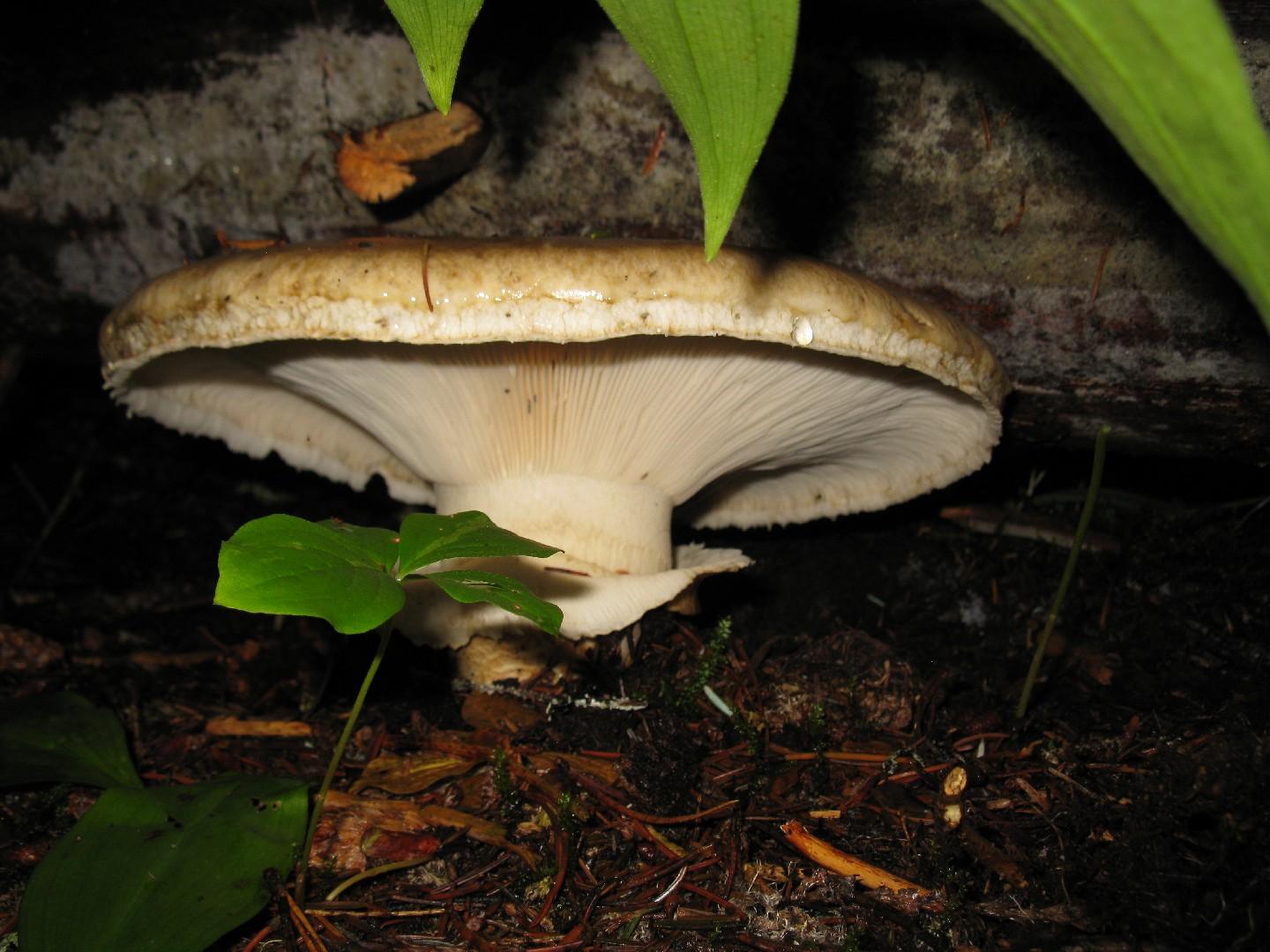
The imperial cap is characterized by its substantial and distinctively gilled cap, commonly found in mountainous forested areas. A thick stem supports the cap, with both parts displaying shades from creamy to light brown. This species typically forms symbiotic connections with conifers, contributing to forest ecosystems. Its appearance is noted during the latter part of summer and throughout autumn.
In This Article
Attributes of Imperial cap
Cap Diameter
10 - 40 cm
Height
20 - 25 cm
Cap
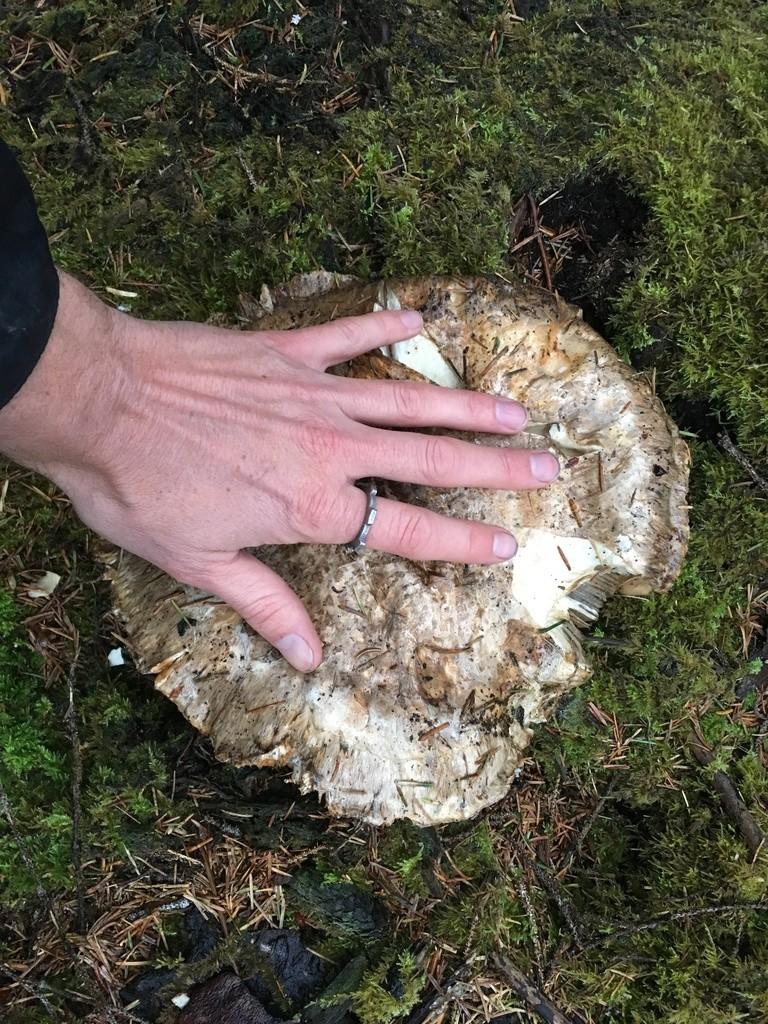
Cap 10 - 40 cm across; convex to flat; pale to mid-brown; surface smooth to fibrous
Cap Shape
Convex, Flat
Cap Surfaces
Fibrillose-scaly, Slimy or slightly sticky
Gills
Strongly decurrent; close; whitish to cream to gray
Gill Attachment
Decurrent
Stem
Stem 18 cm long, 8 cm thick; tapering to the base; whitish, buff
Stem Shapes
Tapering
Stem Surfaces
Fibrillose
Flesh
Hard; white; unchanging on exposure
Ring
With Ring
Spore Print Color
White
Odor
Strongly mealy, like freshly ground flour.
Body Color
BrownYellowRedWhite
Flesh Bruises
The flesh or milk does not discolor when bruised or cut.
Growth Form
Solitary, Scattered
Nutrient Gathering
Mycorrhizal
Substrate
On soil
You can find Imperial cap by these plants
Engelmann spruce
Occurence Habitats
Coniferous Woodland
Species Status
Near Threatened
Endangered Species
No
Scientific Classification of Imperial cap
Phylum
Club fungi
Class
Mushroom-forming fungi
Order
Gilled fungi
Family
Pale-spore mushrooms
Genus
Catathelasma
Toxicity and Edibility of Imperial cap
Is Imperial cap Toxic?
Toxicity information is not available for this mushroom. Always consult with an expert before consuming any wild mushrooms.