Mica cap
Coprinellus micaceus
A species of Coprinellus. Also known as Glistening inkcap.
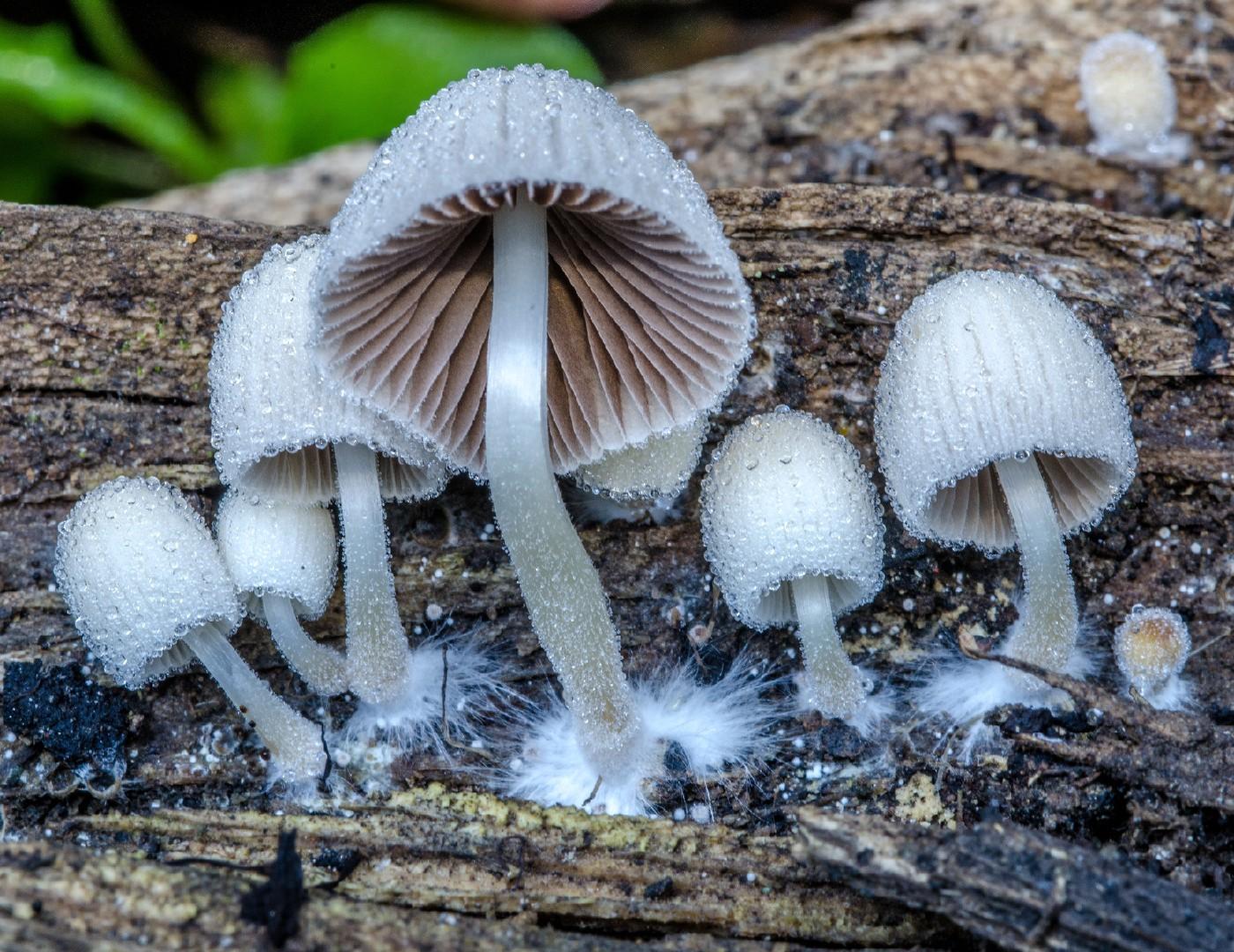
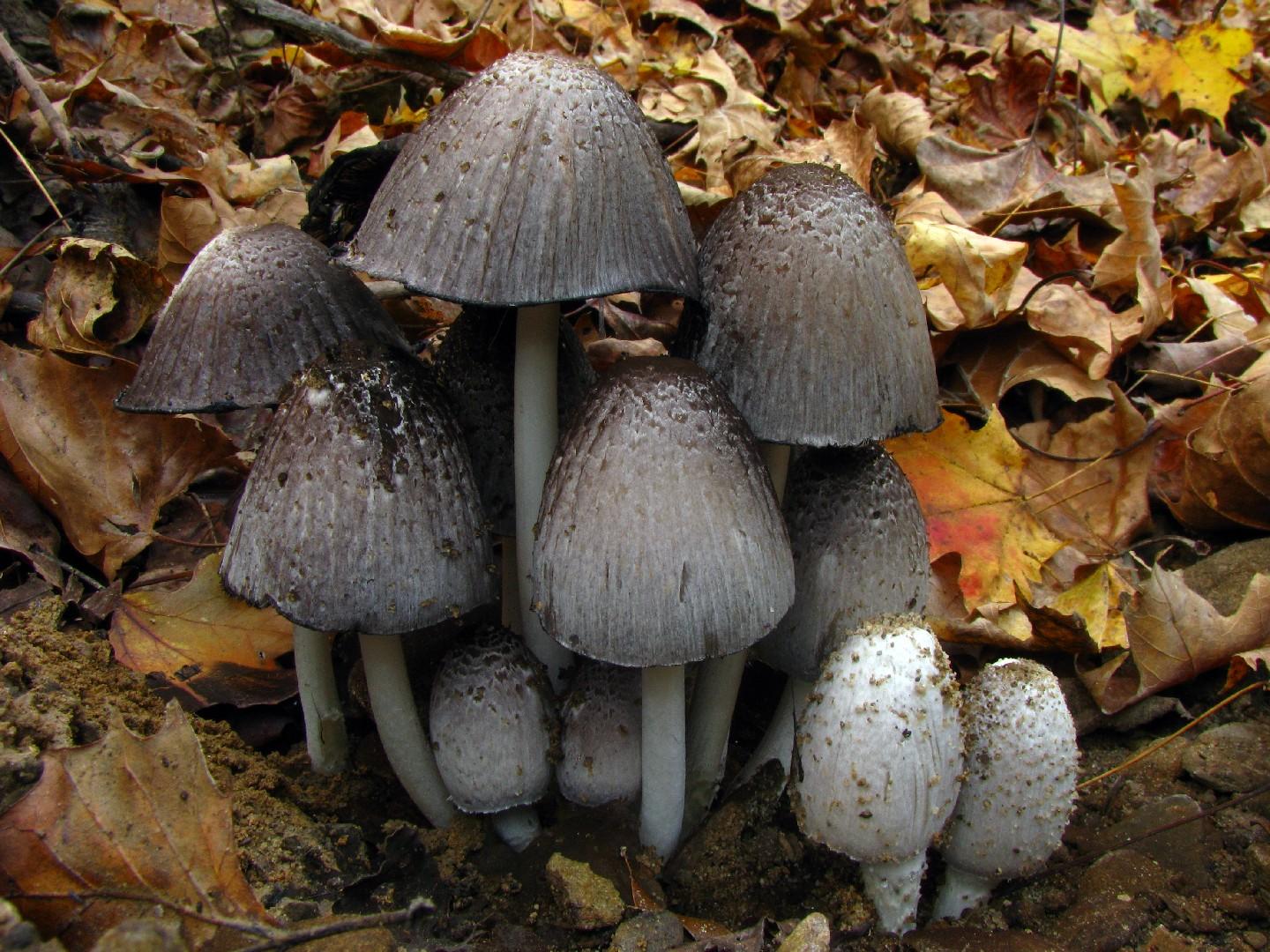
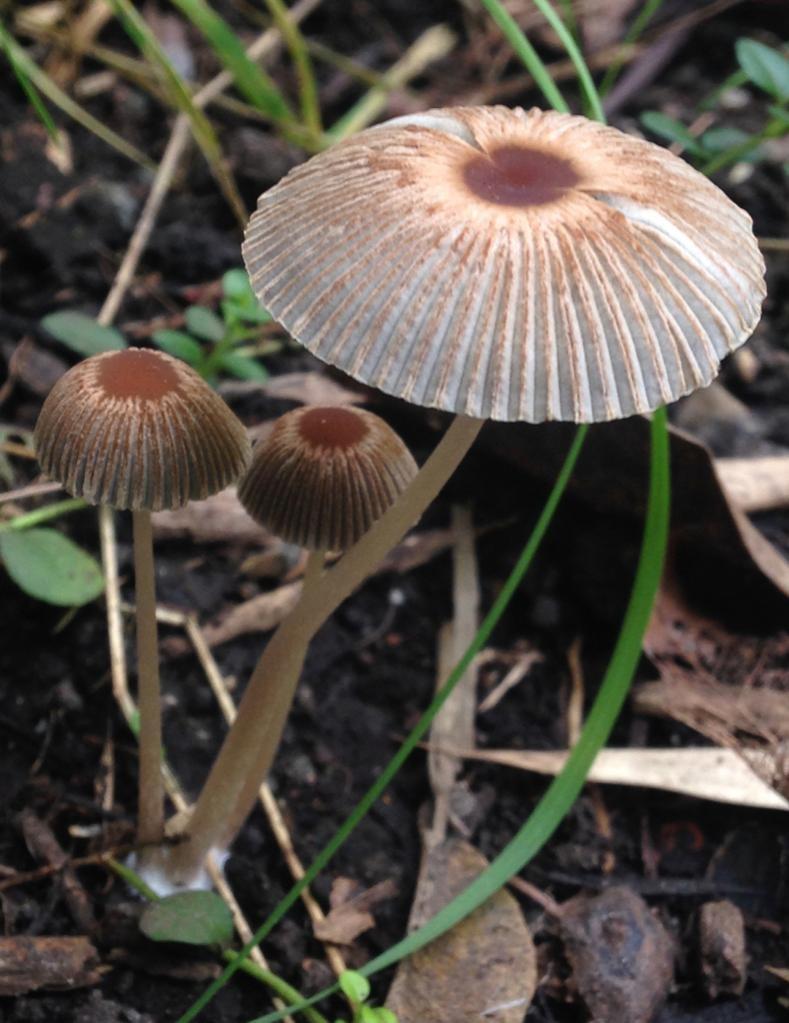
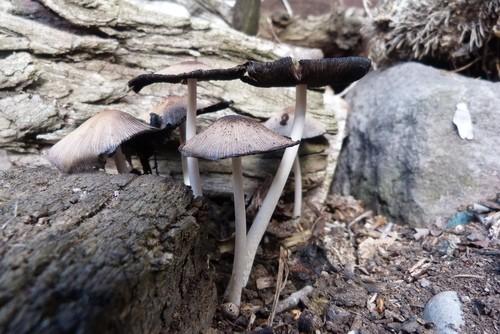
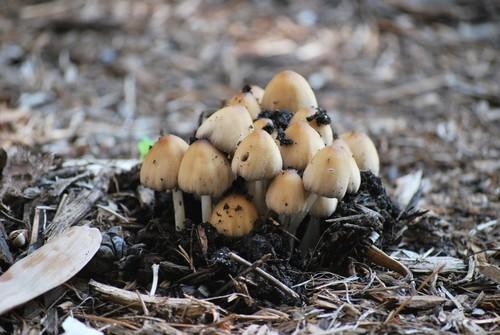
The bell-shaped mica cap mushrooms are commonly found in groups on decaying wood and tree stumps, flourishing throughout the warmer months, from spring through autumn. Upon reaching maturity and beginning to disperse their spores, their caps develop a distinctive wet, dark, and inky appearance. At this stage, they can be utilized to produce a practical black ink when boiled alongside cloves.
In This Article
Attributes of Mica cap
Cap Diameter
2 - 5 cm
Height
4 - 10 cm
Cap
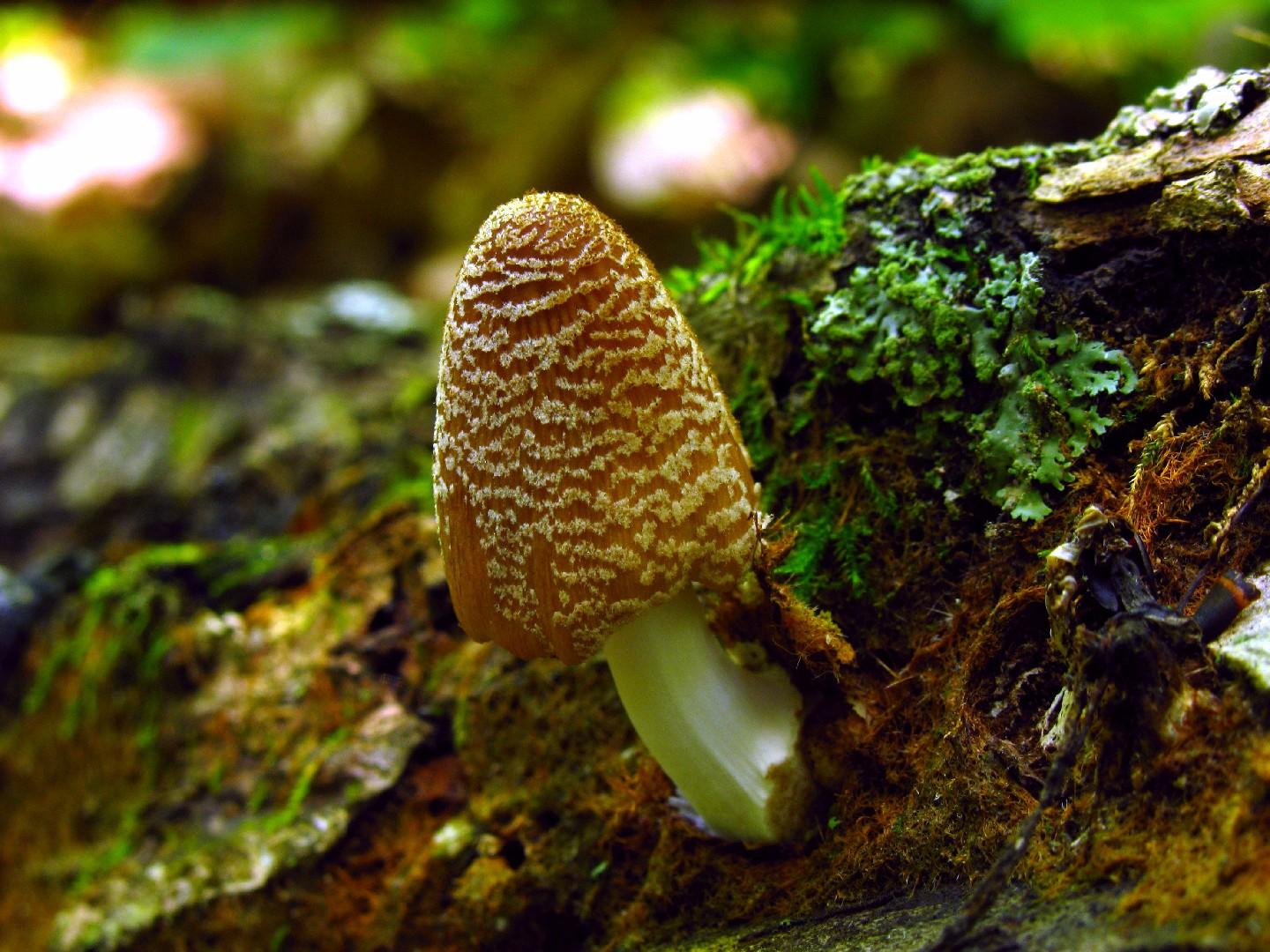
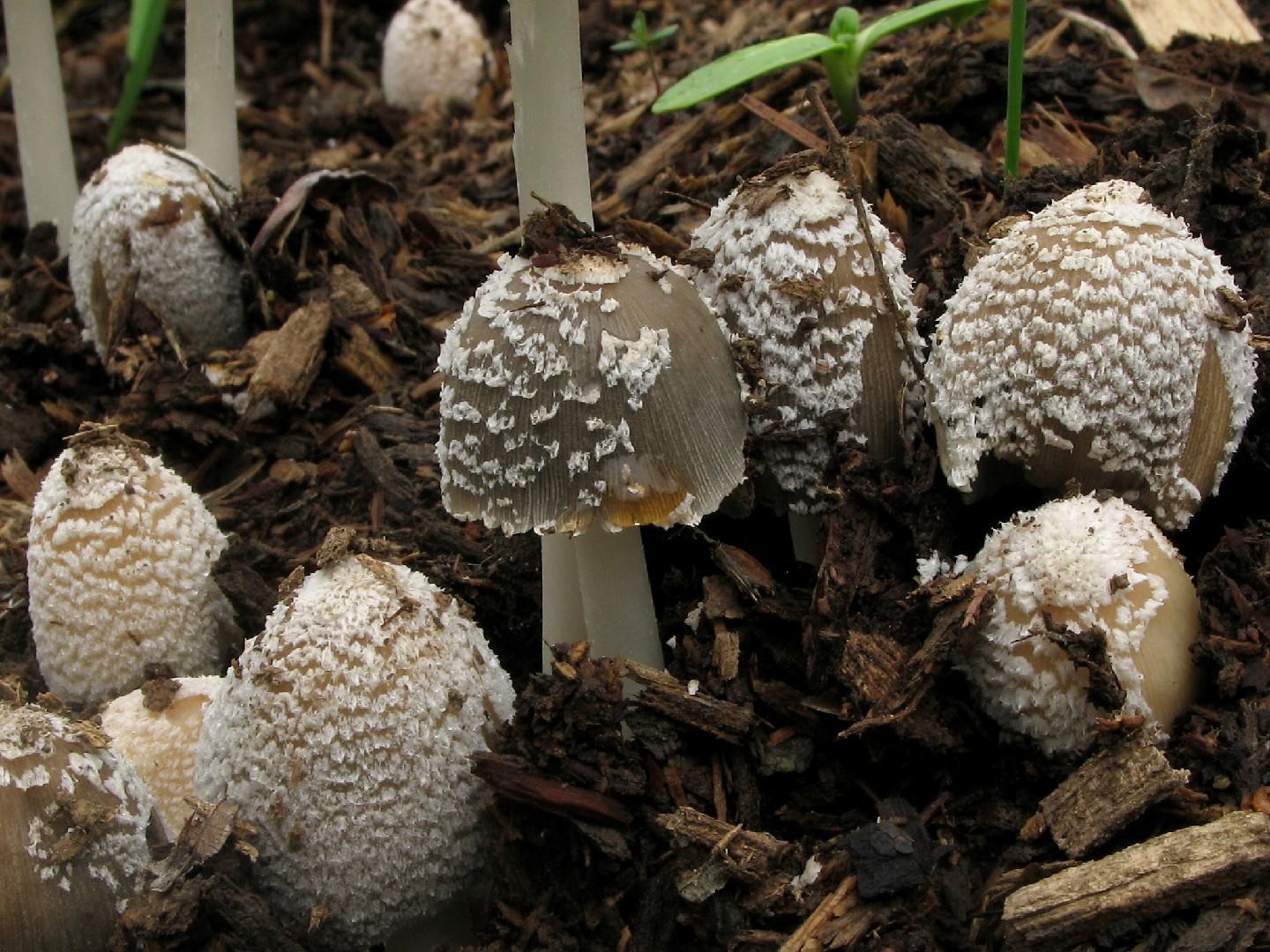
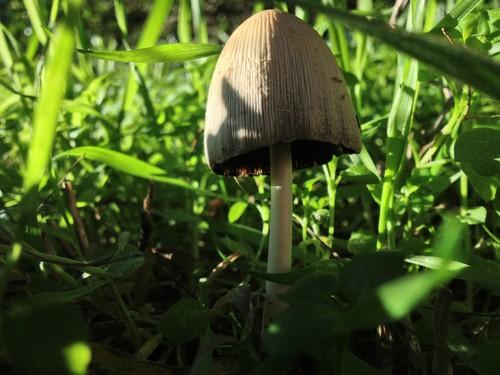
Cap 2 - 5 cm across; convex; ocher, buff to tan; with scales or granules
Cap Shape
Bell-shaped, Convex
Cap Surfaces
Visible lines or stripes
Gills
Attached, free; close, crowded; whitish to black
Gill Attachment
Notched
Stem
Stem 2 - 8 cm long, 3 - 6 mm thick; white, gray-brown; surface smooth
Stem Shapes
Cylindrical
Stem Surfaces
Smooth to slightly fibrous
Flesh
Thin; soft; white to pale
Ring
Ringless
Spore Print Color
Black
Odor
Mildly mushroomy but not distinctive.
Body Color
BrownYellowWhite
Flesh Bruises
The flesh or milk does not discolor when bruised or cut.
Growth Form
Gregarious, Clustered
Nutrient Gathering
Saprophytic
Substrate
On soil, Dead Woods
You can find Mica cap by these plants
European beech
Occurence Habitats
Disturbed Lands, Deciduous Woodland
Species Status
Widely distributed
Endangered Species
No
Scientific Classification of Mica cap
Phylum
Club fungi
Class
Mushroom-forming fungi
Order
Gilled fungi
Family
Coprinaceae
Genus
Coprinellus
Toxicity and Edibility of Mica cap
Is Mica cap Toxic?
Ingesting the Mica cap mushroom, a toxic species, can lead to gastroenteritis within 30 minutes to 3 hours. Key symptoms are nausea, vomiting, abdominal pain, and diarrhea, sometimes accompanied by perspiration, fatigue, lightheadedness, and shivers.