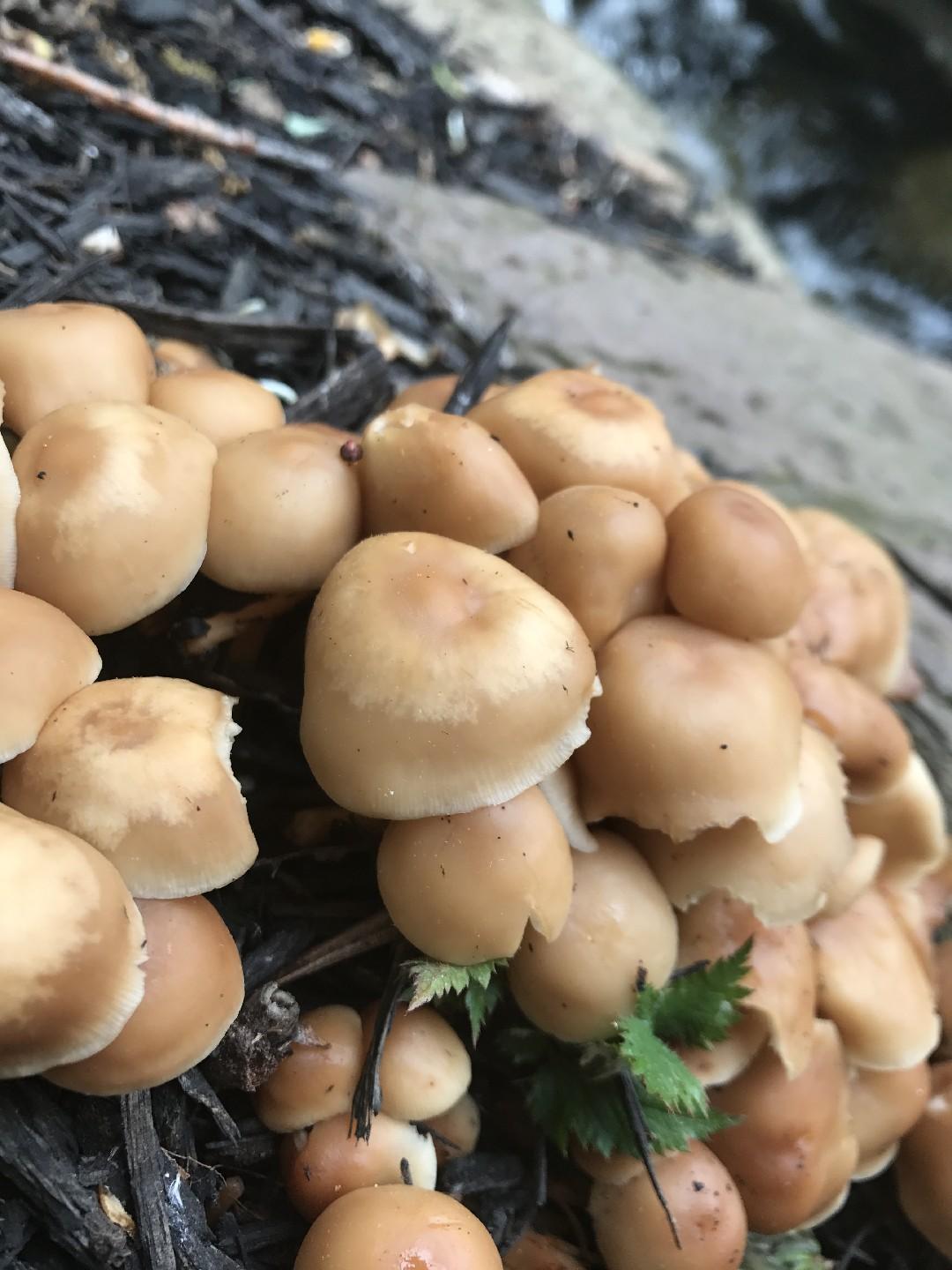
Oak-loving collybia
Gymnopus dryophilus
A species of Gymnopus. Also known as Oak collybia, June mushroom.
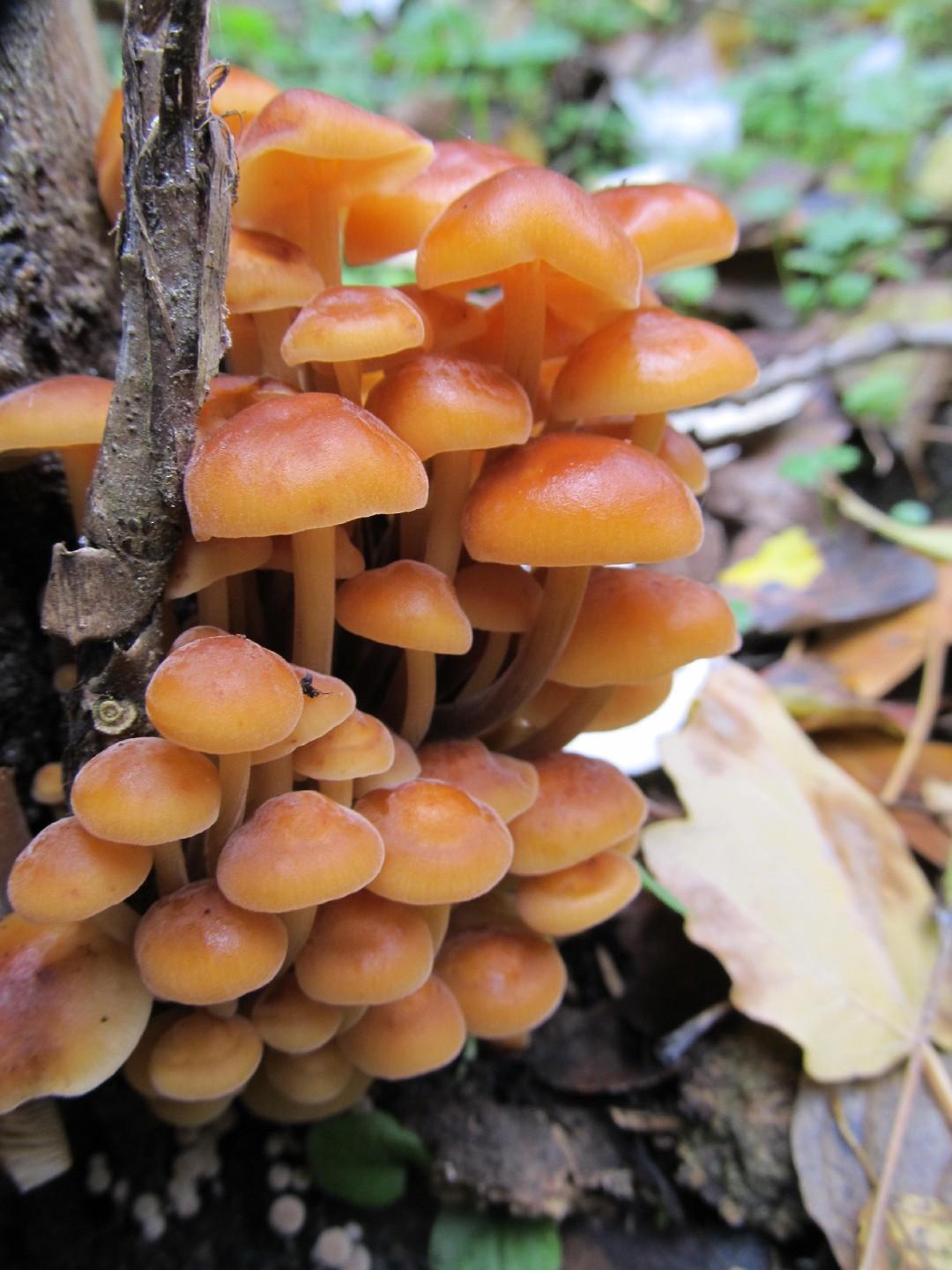
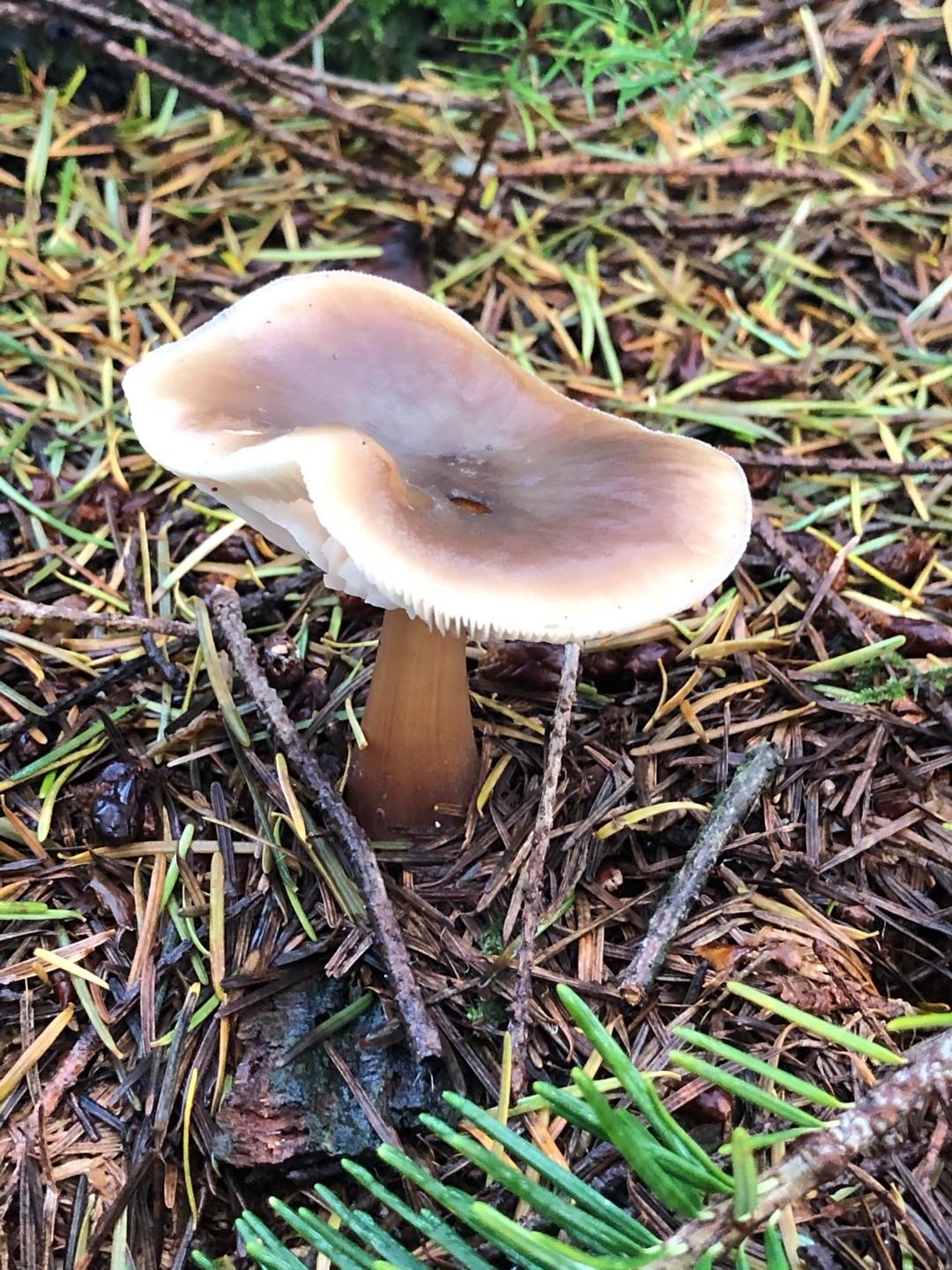
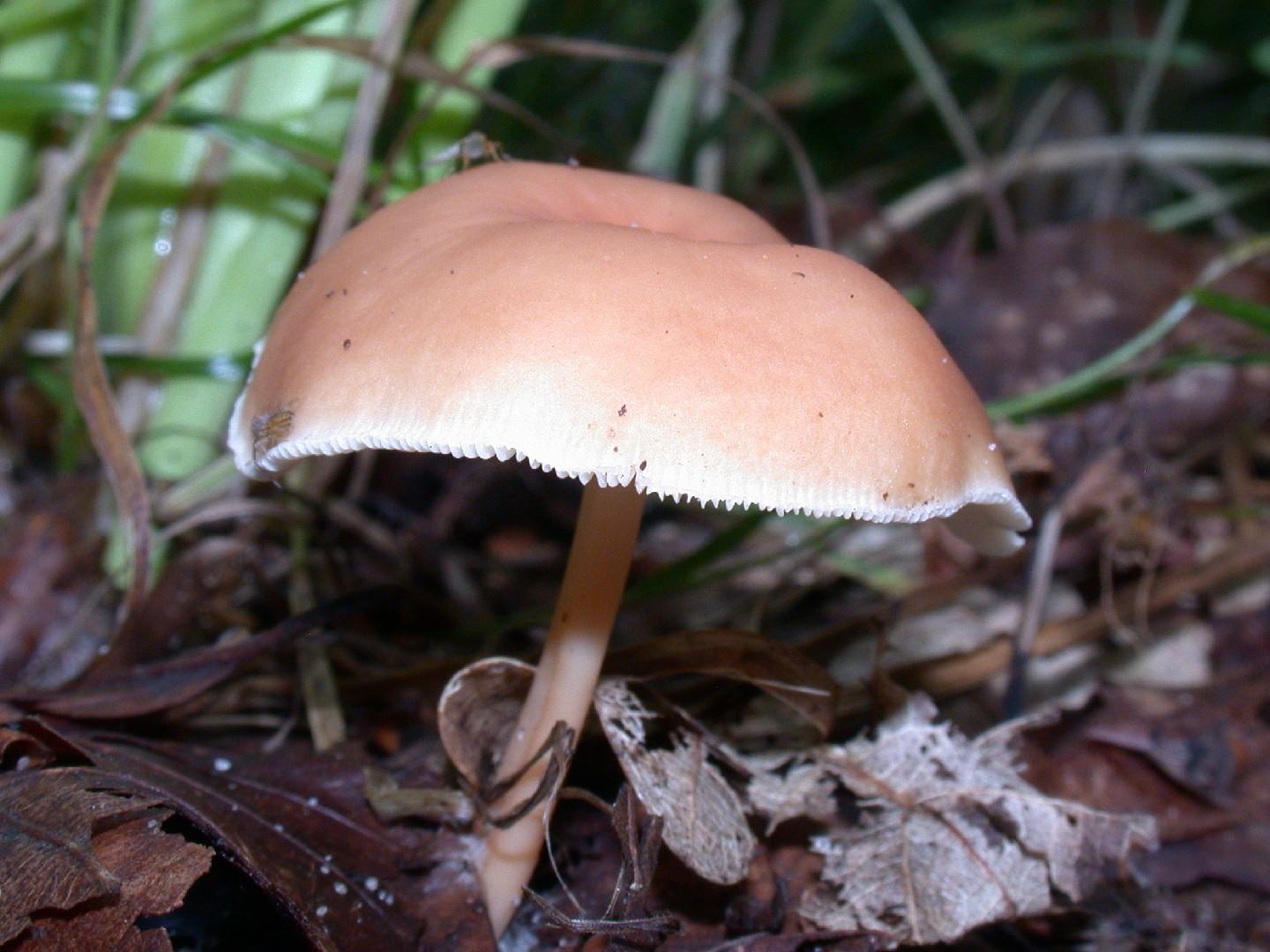
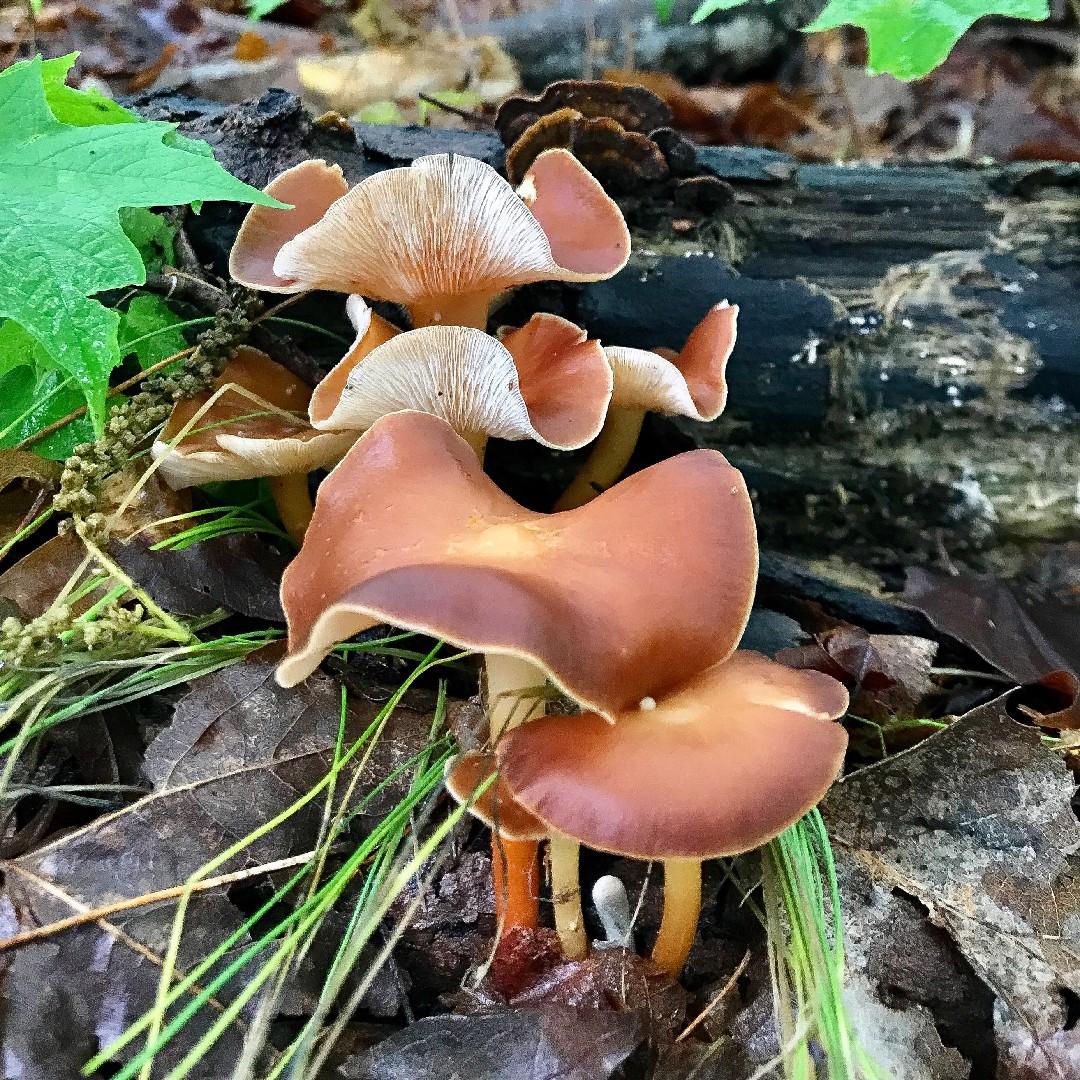
Gymnopus dryophilus, also known as the oak-loving collybia, thrives in temperate zones globally, frequently appearing at the base of oak trees. These resilient fungi are not typically consumed. Its scientific designation originates from Greek terms, approximately translating to “barefooted lover of oak leaves.”
In This Article
Attributes of Oak-loving collybia
Cap Diameter
2 - 8 cm
Height
2 - 10 cm
Cap
Cap 1 - 8 cm across; convex to flat; pale russet-orange, cream, orcher; surface smooth
Cap Shape
Convex, Flat, Central Bump
Cap Surfaces
Smooth
Gills
Adnate, free; crowded; whitish
Gill Attachment
Notched
Stem
Stem 1 - 10 cm long, 2 - 7 mm thick; whitish, light buff; quite tough; surface smooth
Stem Shapes
Club Shaped
Stem Surfaces
Smooth
Flesh
Thin; whitish
Ring
Ringless
Spore Print Color
White
Odor
Mildly mushroomy but not distinctive.
Body Color
BrownYellowRedWhiteOrange
Flesh Bruises
The flesh or milk does not discolor when bruised or cut.
Growth Form
Solitary, Scattered, Gregarious
Nutrient Gathering
Saprophytic
Substrate
On soil, Leaf or Needle Litter
You can find Oak-loving collybia by these plants
Coast live oak, Eastern white pine, Oaks, European beech
Occurence Habitats
Deciduous Woodland, Coniferous Woodland, Mixed Woodland
Species Status
Widely distributed
Endangered Species
No
Scientific Classification of Oak-loving collybia
Phylum
Club fungi
Class
Mushroom-forming fungi
Order
Gilled fungi
Family
Marasmiaceae
Genus
Gymnopus
Toxicity and Edibility of Oak-loving collybia
Is Oak-loving collybia Toxic?
Toxicity information is not available for this mushroom. Always consult with an expert before consuming any wild mushrooms.