Lion's Mane Mushroom
Hericium erinaceus
A species of monkey's head. Also known as Mountain-priest Mushroom, Monkey Head Mushroom, Lion's Mane, Unbranched Hericium, Old Man's Beard.
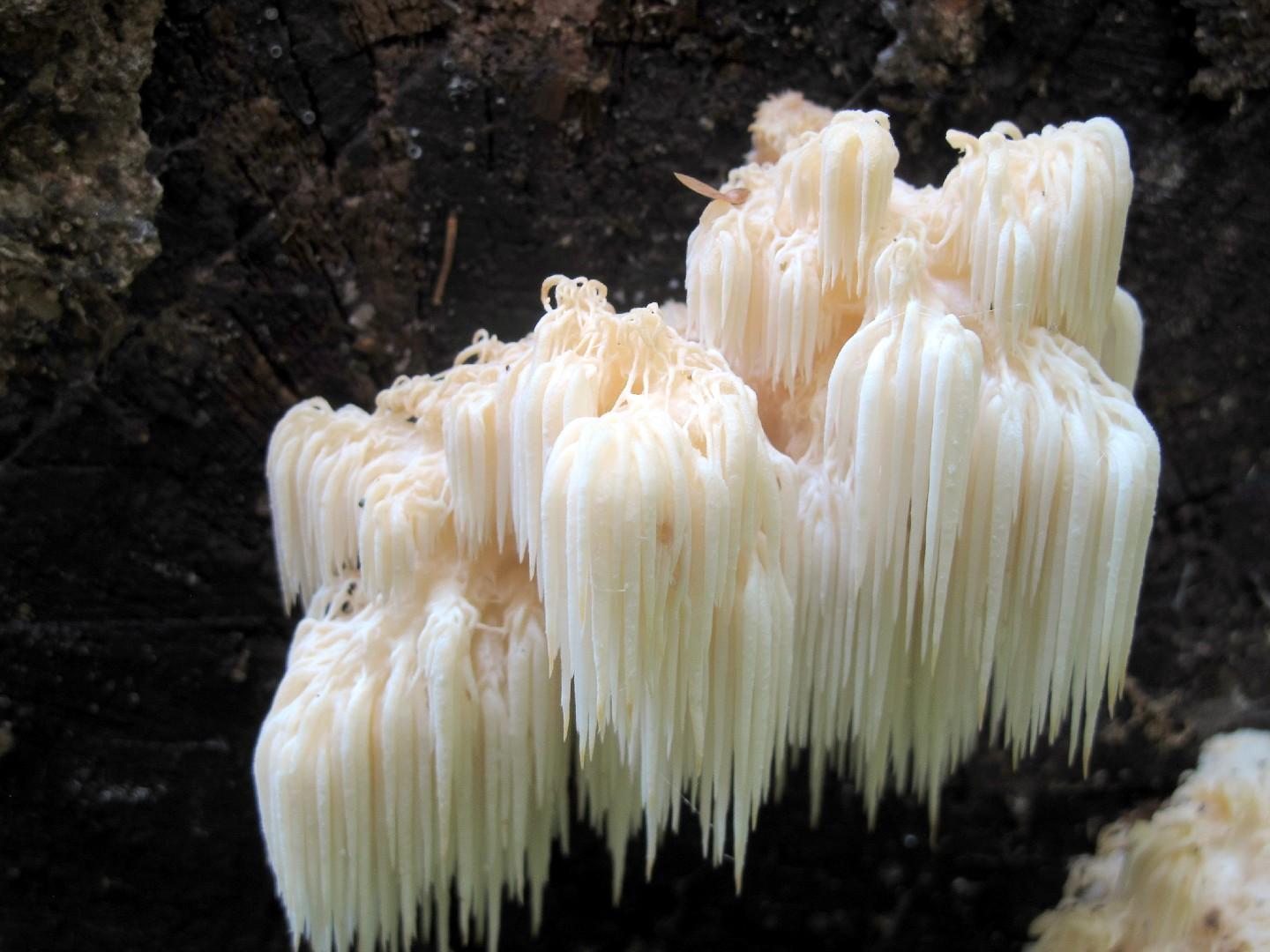
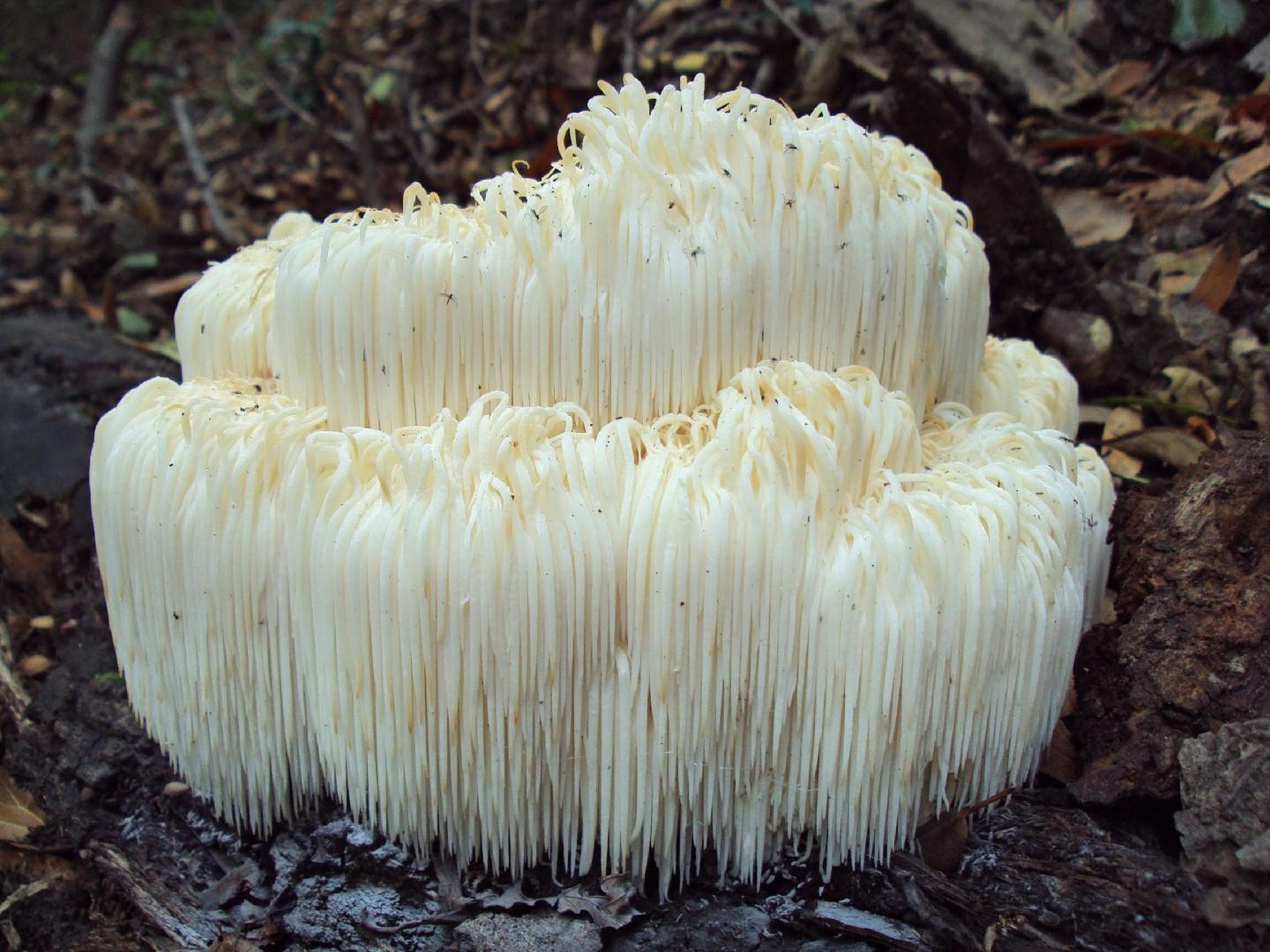
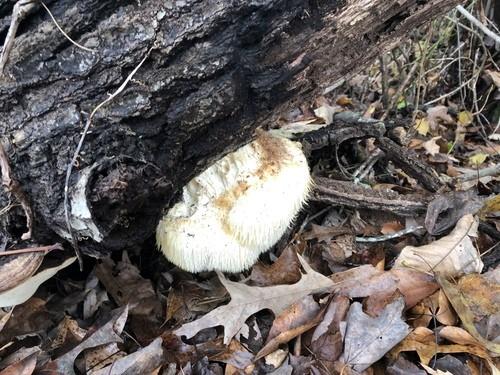
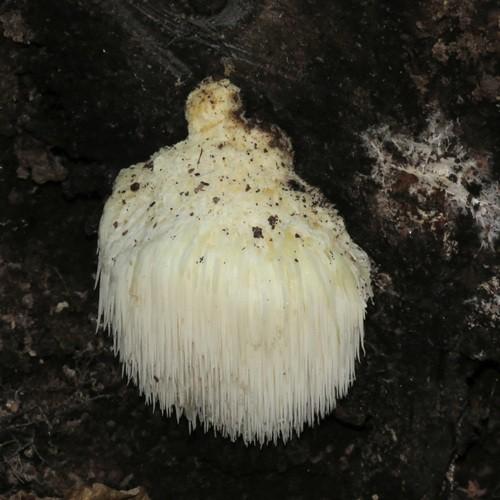
Hericium erinaceus, commonly known as Lion's Mane Mushroom, is readily recognizable due to its distinct appearance, bearing a striking resemblance to a lion's powerful mane. This fungus frequently emerges from hardwoods, irrespective of whether the tree is alive or deceased. Consequently, researchers continue to discuss whether its nature is genuinely parasitic or simply saprophytic.
In This Article
Attributes of Lion's Mane Mushroom
Cap Diameter
8 - 16 cm
Height
5 - 20 cm
Cap
8 - 16 cm across; spines white, brownish to yellowish in age
Stem
with at most only a rudimentary stem
Flesh
White, unchanging when sliced
Spore Print Color
White
Odor
Mildly mushroomy but not distinctive.
Body Color
YellowWhite
Flesh Bruises
The flesh or milk does not discolor when bruised or cut.
Growth Form
Solitary, Gregarious
Nutrient Gathering
Saprophytic, Parasitic
Substrate
Wood of Living Trees, Dead Woods
You can find Lion's Mane Mushroom by these plants
European beech
Occurence Habitats
Deciduous Woodland
Species Status
Least Concern
Endangered Species
No
Scientific Classification of Lion's Mane Mushroom
Phylum
Club fungi
Class
Mushroom-forming fungi
Order
Russulales
Family
Tooth fungi
Genus
monkey's head
Toxicity and Edibility of Lion's Mane Mushroom
Is Lion's Mane Mushroom Toxic?
Toxicity information is not available for this mushroom. Always consult with an expert before consuming any wild mushrooms.