Sheathed woodtuft
Kuehneromyces mutabilis
A species of Kuehneromyces. Also known as Two-toned Pholiota.
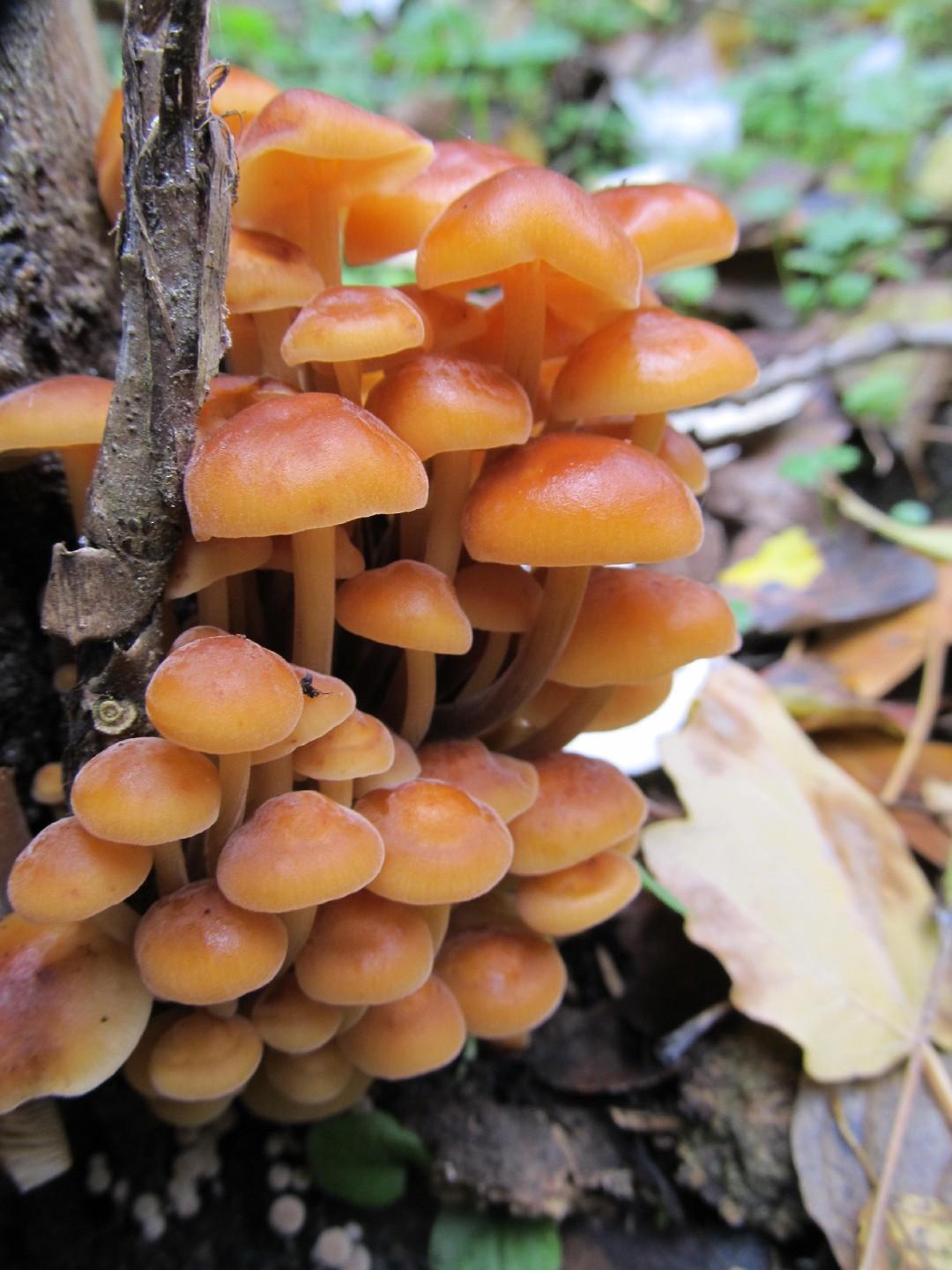
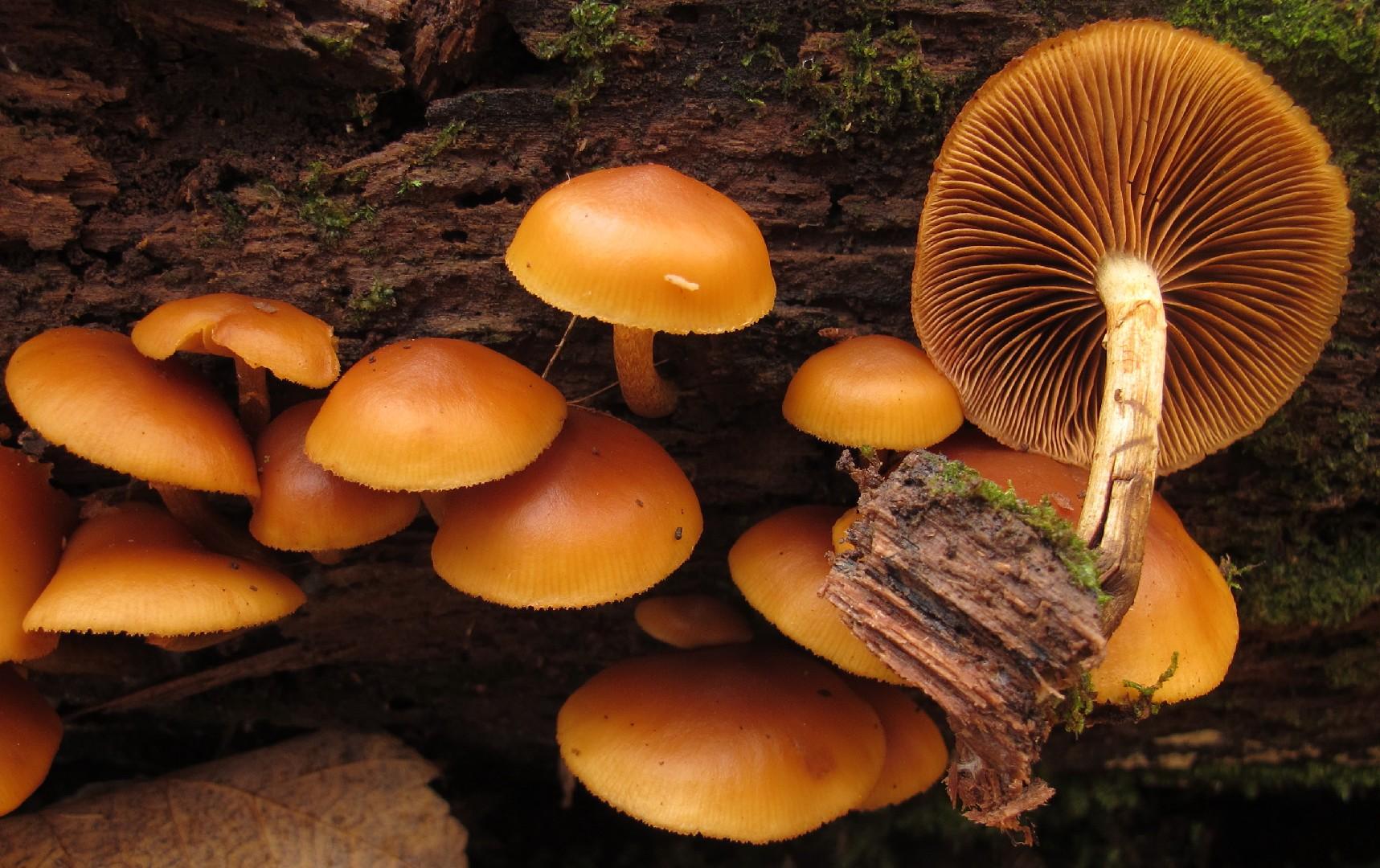
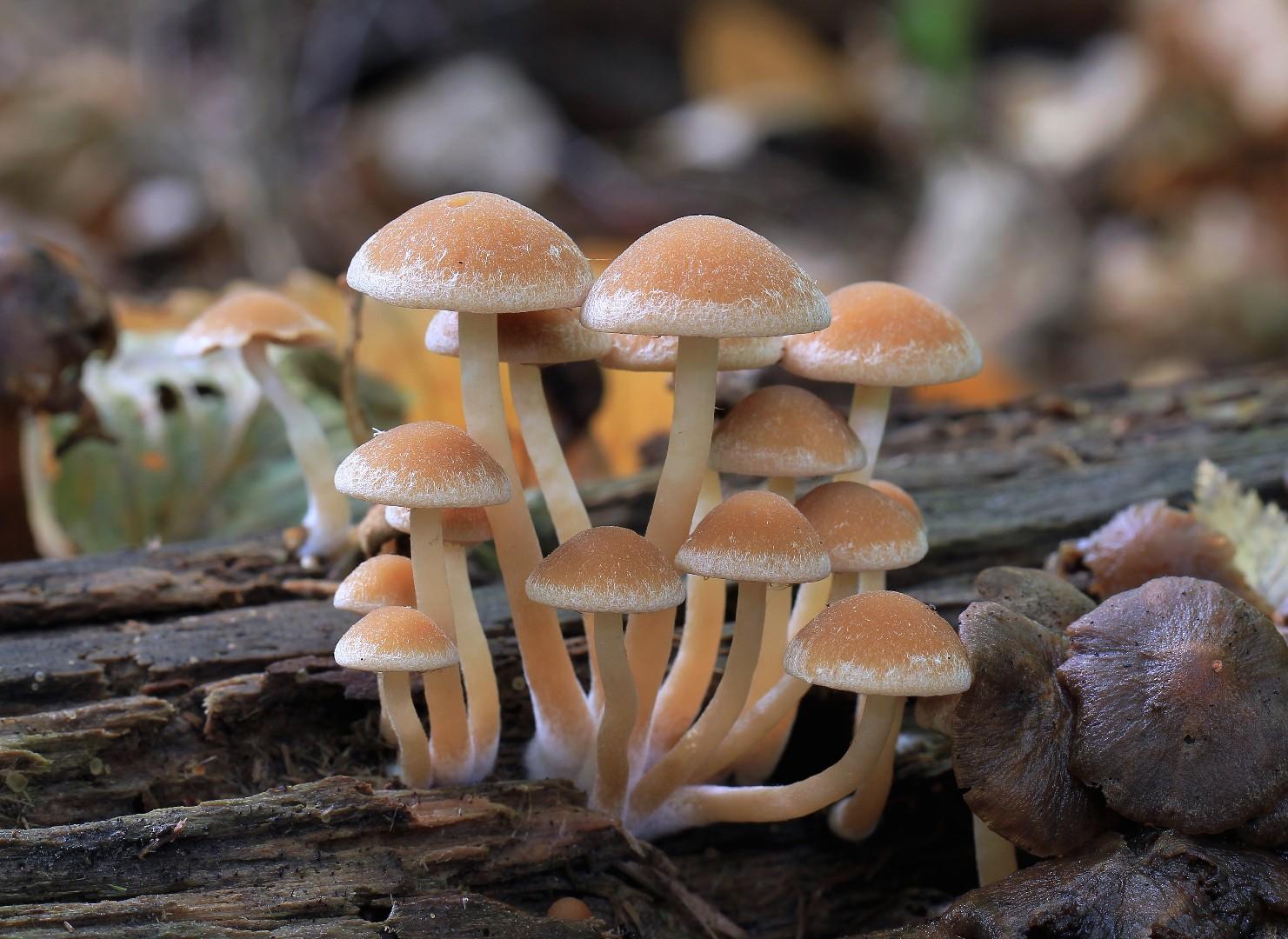
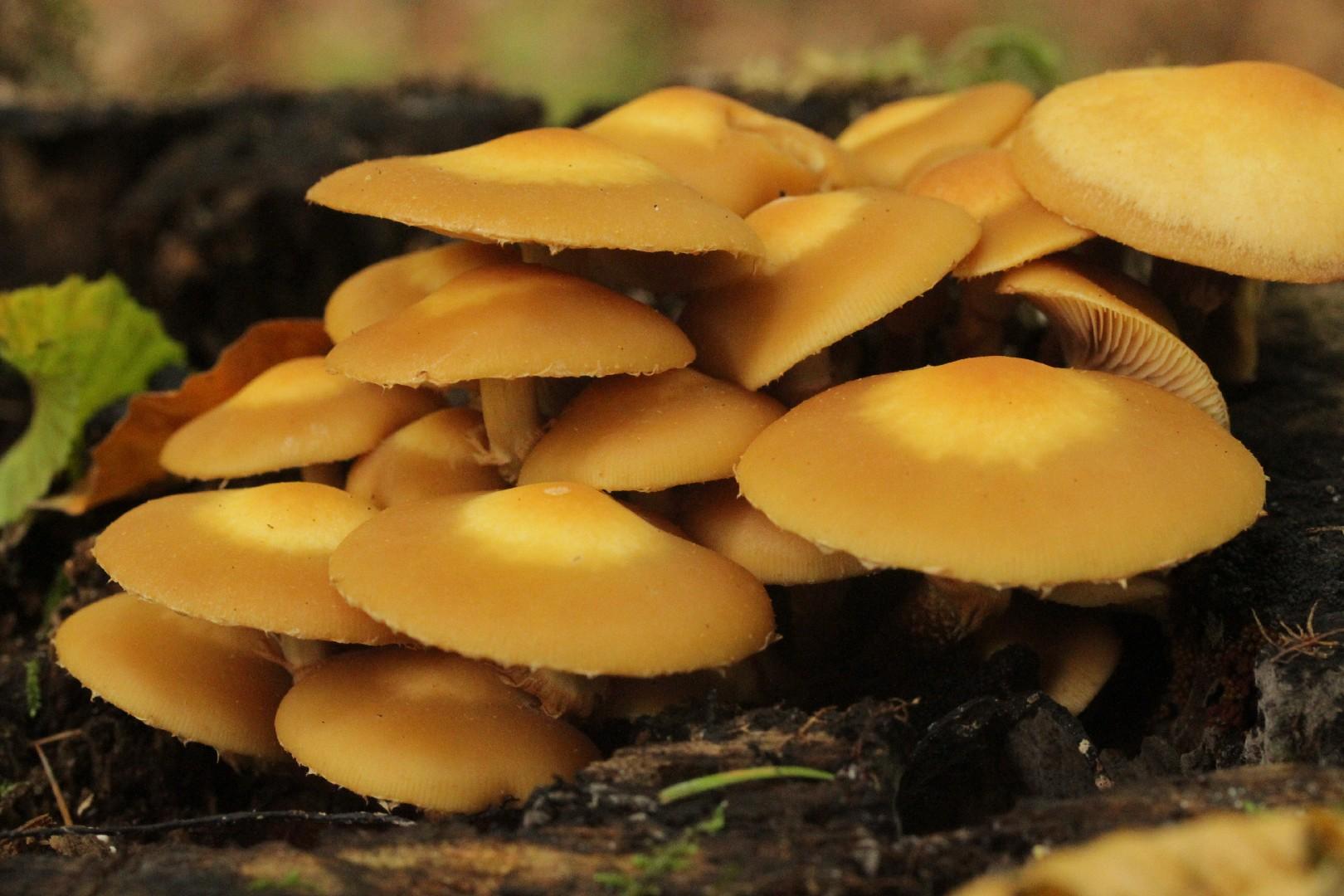
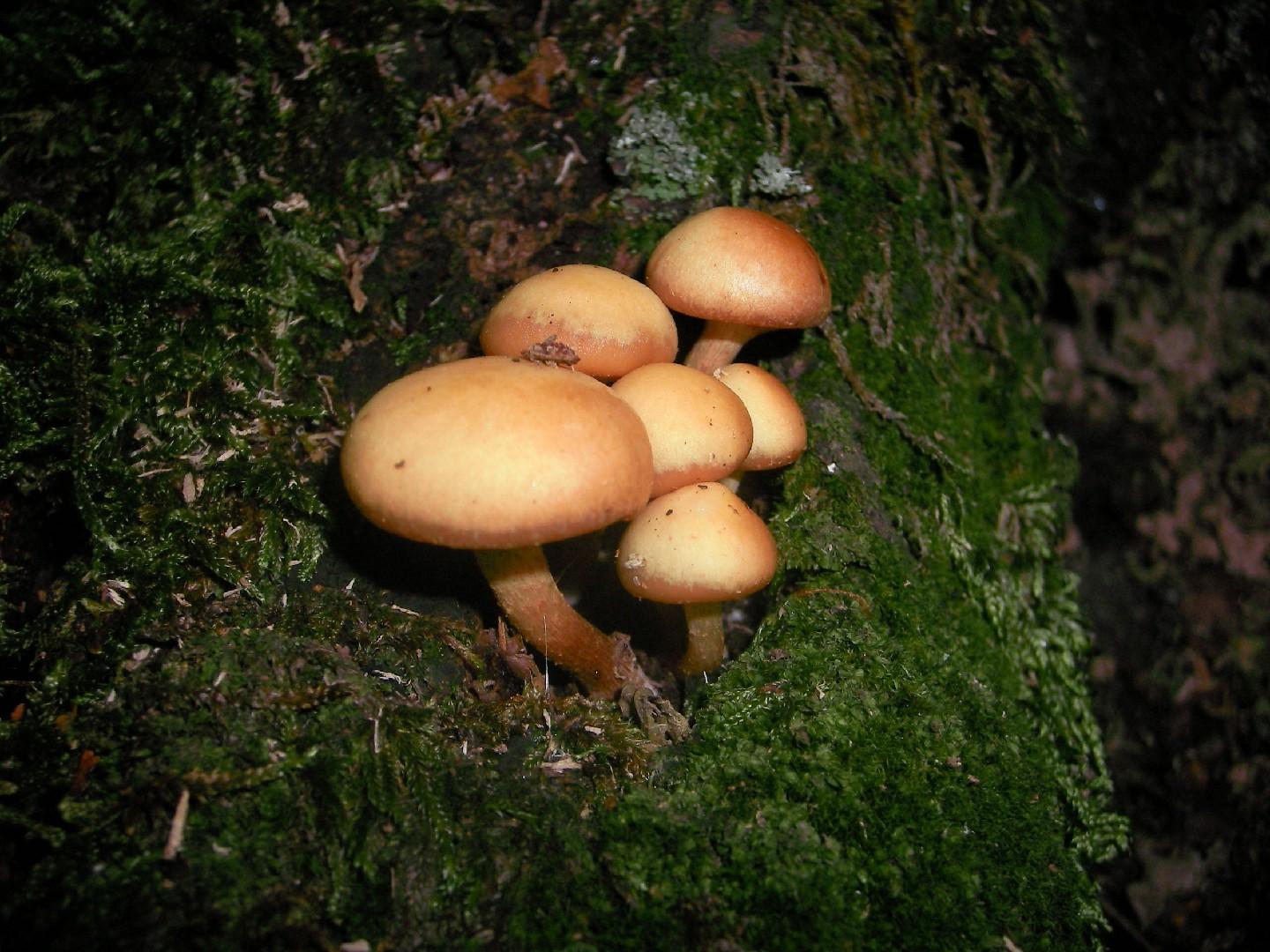
The Sheathed Woodtuft (Kuehneromyces mutabilis) is a readily identifiable mushroom, often observed in clusters on decaying or dead wood throughout temperate regions globally. A notable characteristic of this species is its cap's pronounced hygrophanous nature, meaning its color dramatically shifts depending on its moisture content. When damp, the sheathed woodtuft exhibits a rich orange-brown hue, whereas dry specimens appear in lighter shades of brown or buff.
In This Article
Attributes of Sheathed woodtuft
Cap Diameter
3 - 8 cm
Height
4 - 10 cm
Cap
Cap 3 - 6 cm across; convex to weakly umbonate; dark yellow-brown to tan, ocher; surface smooth
Cap Shape
Convex, Flat, Central Bump
Cap Surfaces
Smooth, Slimy or slightly sticky, Visible lines or stripes
Gills
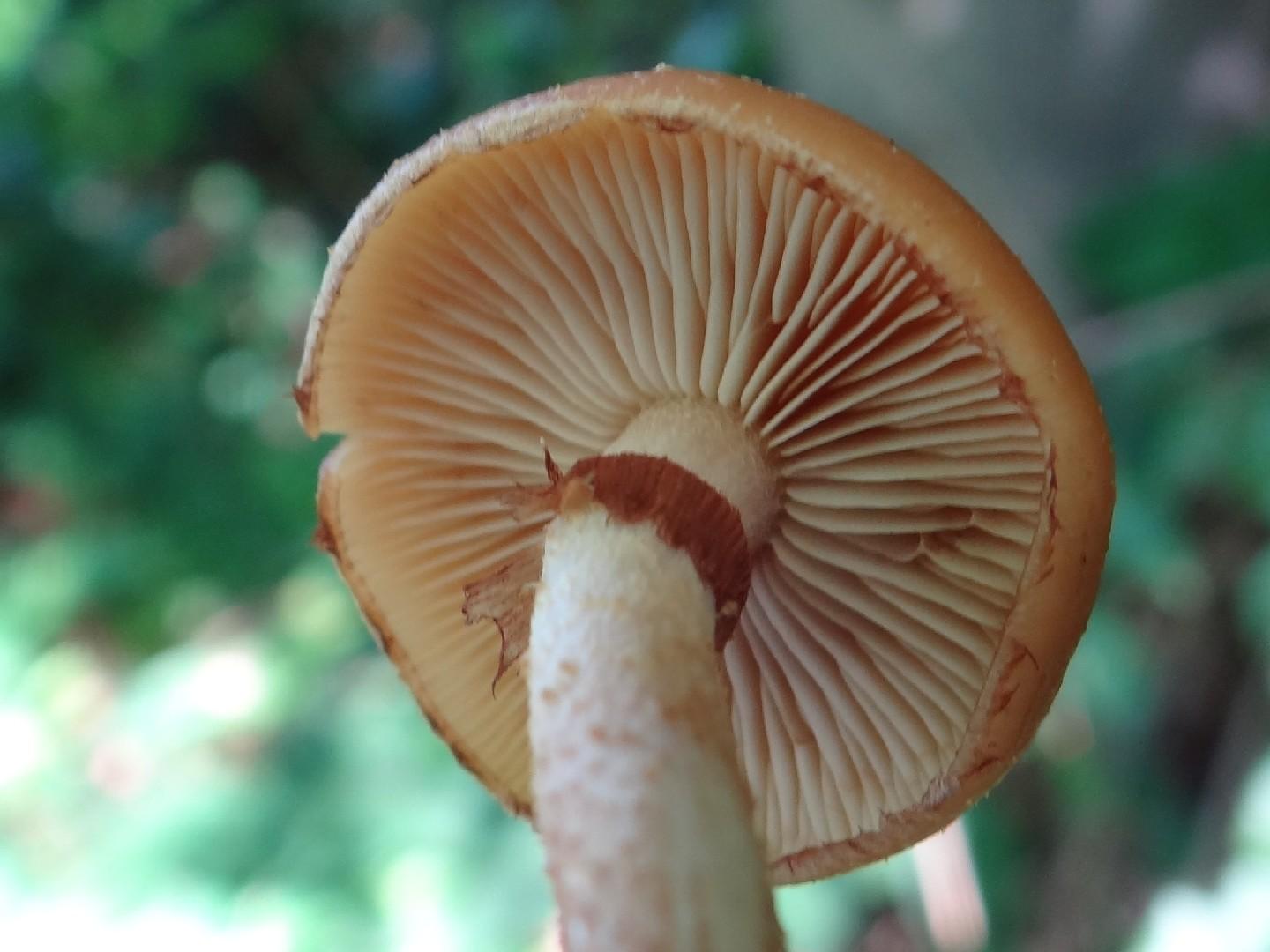
Attached; close; whitish to pale tan, rusty brown
Gill Attachment
Notched
Stem
Stem 5 - 9 cm long, 1 cm thick; cream, dark reddish brown; surface smooth, with scaly
Stem Shapes
Cylindrical
Stem Surfaces
Scaly
Flesh
Whitish; unchanging when sliced
Ring
With Ring
Spore Print Color
Brown to cinnamon brown
Odor
Mildly mushroomy but not distinctive.
Body Color
BrownYellowWhiteOrange
Flesh Bruises
The flesh or milk does not discolor when bruised or cut.
Growth Form
Gregarious
Nutrient Gathering
Saprophytic
Substrate
Dead Woods
You can find Sheathed woodtuft by these plants
European beech
Occurence Habitats
Deciduous Woodland, Coniferous Woodland, Mixed Woodland
Species Status
Least Concern
Endangered Species
No
Scientific Classification of Sheathed woodtuft
Phylum
Club fungi
Class
Mushroom-forming fungi
Order
Gilled fungi
Family
Strophariaceae
Genus
Kuehneromyces
Toxicity and Edibility of Sheathed woodtuft
Is Sheathed woodtuft Toxic?
Toxicity information is not available for this mushroom. Always consult with an expert before consuming any wild mushrooms.