Shiitake
Lentinula edodes
A species of Lentinula. Also known as Oakwood mushroom, Sawtooth oak mushroom.
Lentinula edodes, widely recognized as the shiitake, stands as a premier and extensively farmed edible mushroom globally. Originating from East and Southeast Asia, this species thrives on decaying oak and various other hardwoods. Shiitakes are renowned for their deep, savory taste, making them a staple in numerous Asian culinary traditions and increasingly favored in Western cuisine.
In This Article
Attributes of Shiitake
Cap Diameter
4 - 16 cm
Height
5 - 18 cm
Cap
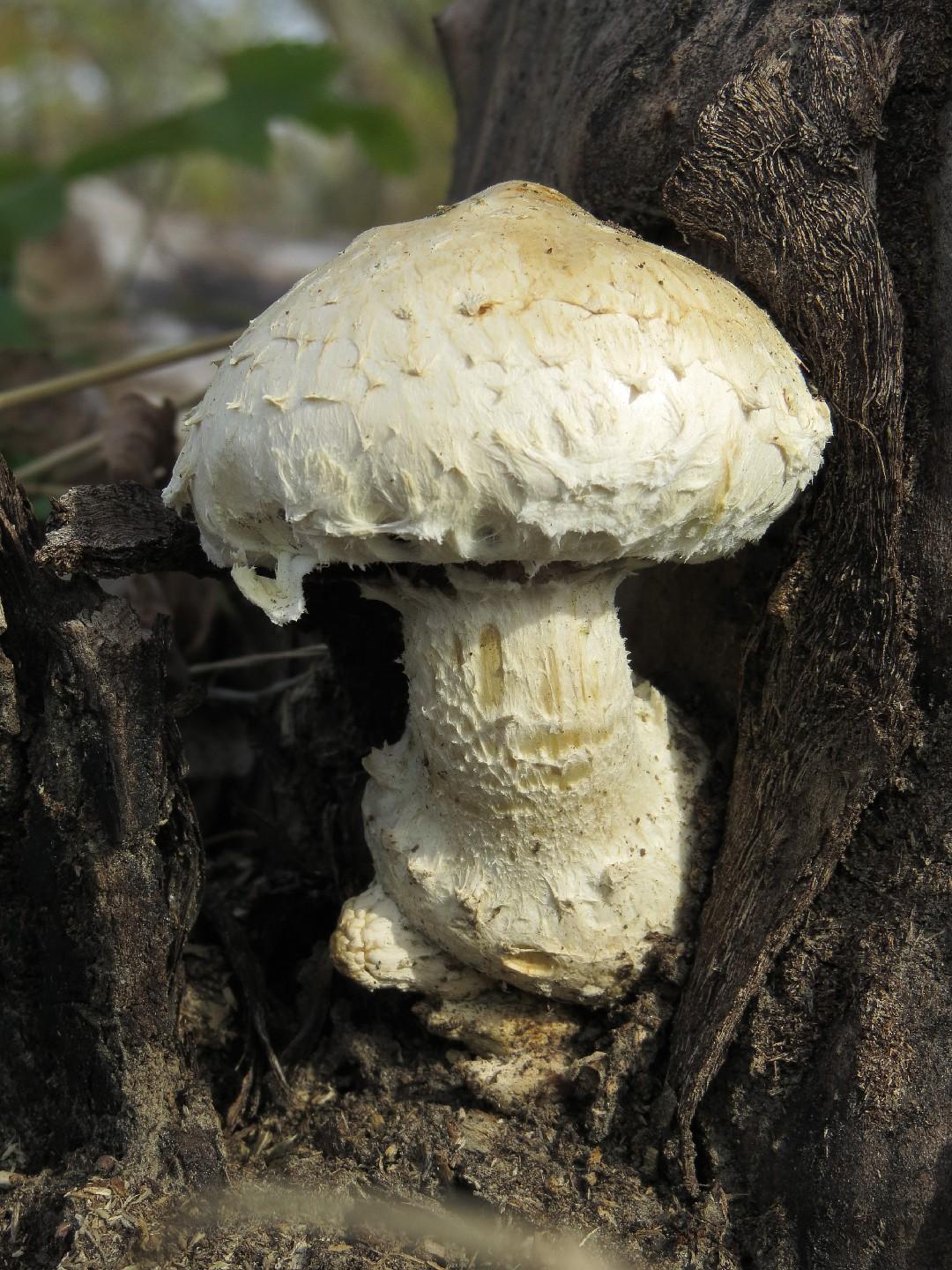
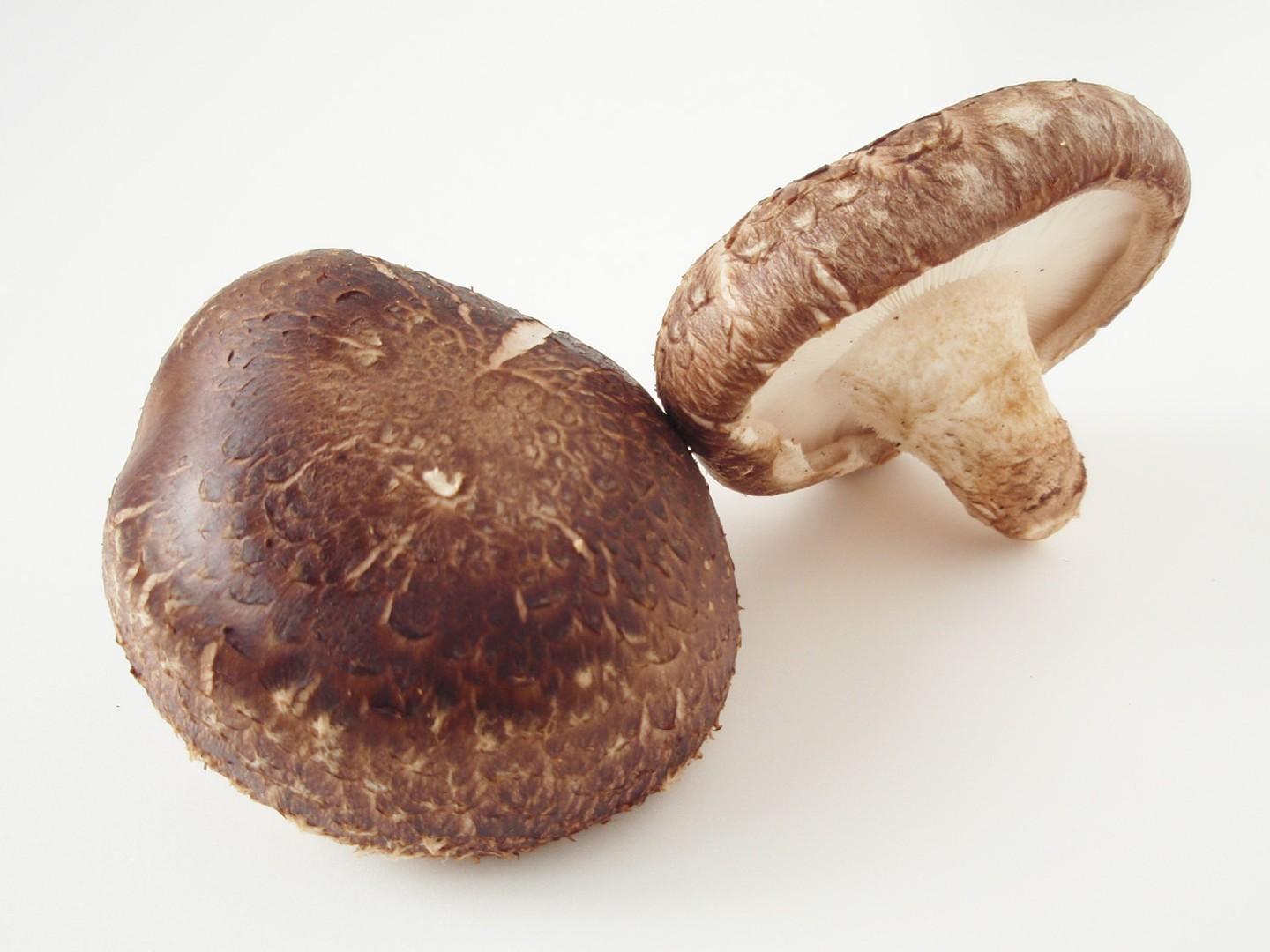
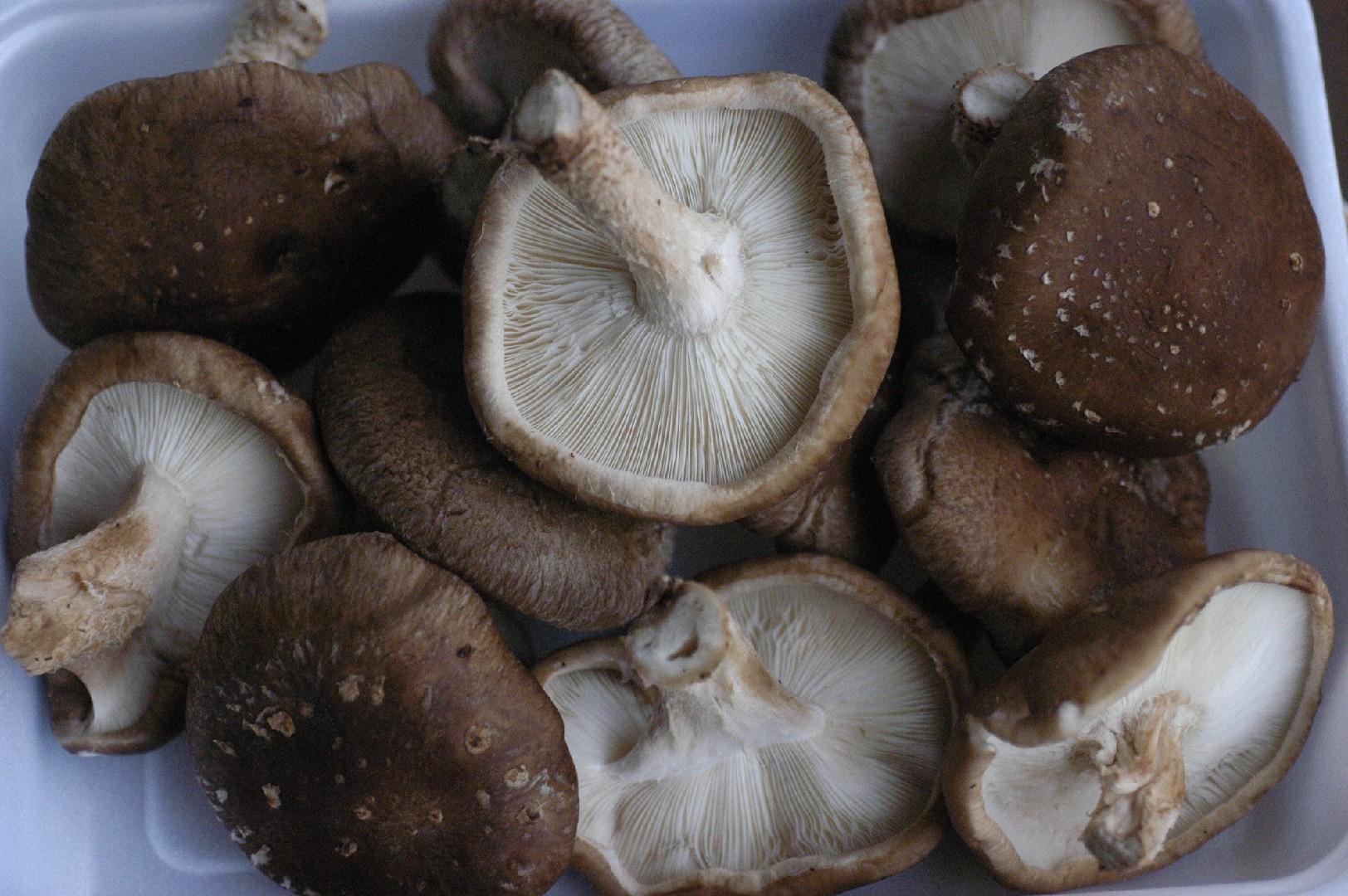
Cap 5 - 15 cm across; flat; purplish gray or brown; smooth at first
Cap Surfaces
Fibrillose-scaly
Gills
Whitish to cream
Gill Attachment
Free to Attached
Stem
Pinkish, buff; fibrous
Stem Shapes
Cylindrical
Ring
With Ring Zone
Spore Print Color
White
Odor
Mildly mushroomy with a hint of leek
Body Color
Brown
Flesh Bruises
The flesh or milk does not discolor when bruised or cut.
Growth Form
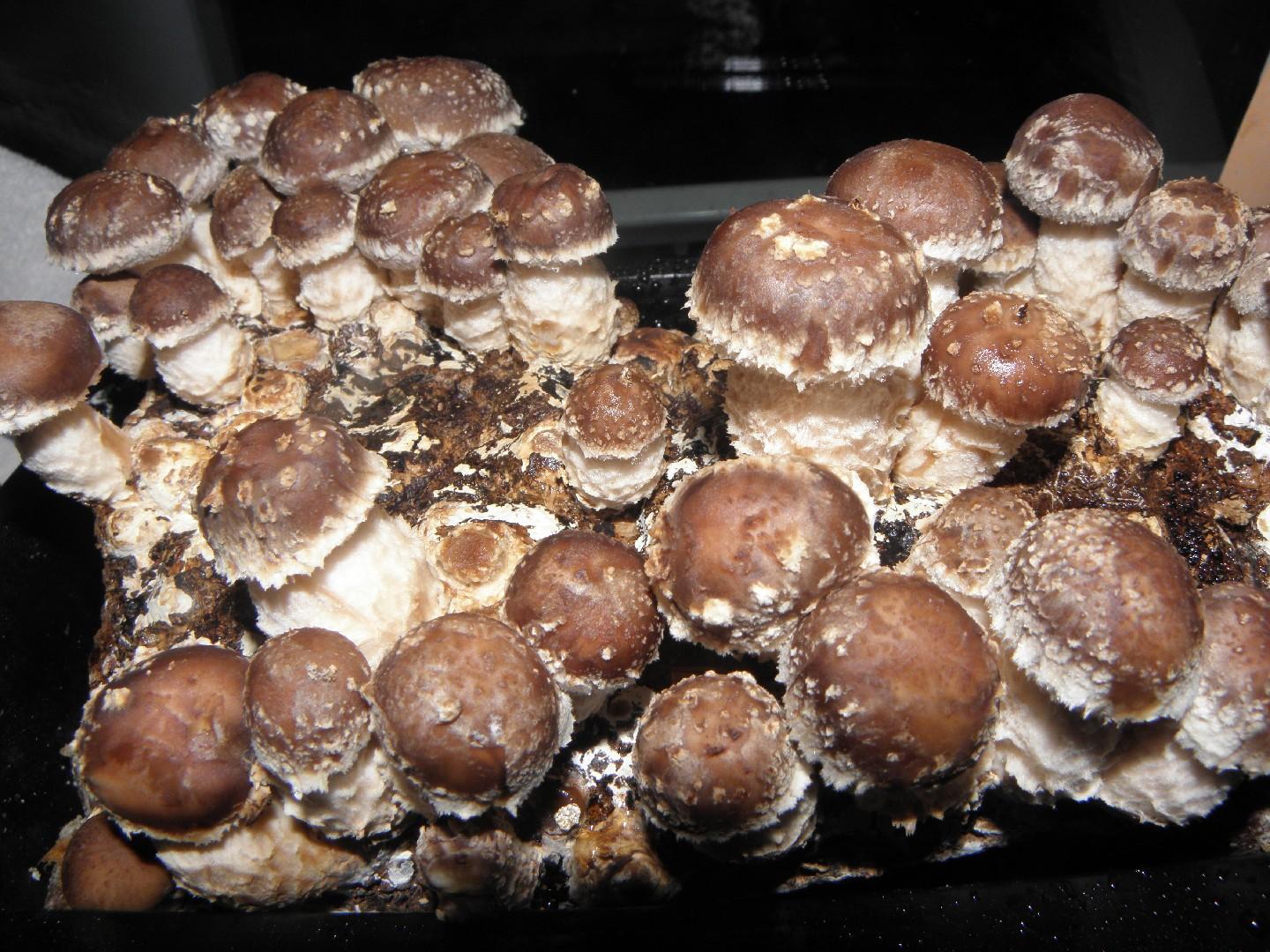
Solitary, Scattered, Gregarious
Nutrient Gathering
Saprophytic
Substrate
On wood
Species Status
Widely cultivated all over the world
Endangered Species
No
Scientific Classification of Shiitake
Phylum
Club fungi
Class
Mushroom-forming fungi
Order
Gilled fungi
Family
Marasmiaceae
Genus
Lentinula
Toxicity and Edibility of Shiitake
Is Shiitake Toxic?
For some, consuming shiitake mushrooms can trigger allergic responses. These reactions vary from minor issues like skin irritation and itching to life-threatening conditions such as anaphylaxis.
Toxins type
Lentinan
Type of poisoning
Allergic
Toxic Severity
Low toxicity
Incubation Period
Several hours up to 5 days
Poisoning Symptoms
Individual responses to a mushroom allergy can differ widely, with reactions spanning from slight to intense, including skin rashes, itching, swelling in the mouth, stomach upset, and respiratory issues. In severe cases, it can lead to anaphylaxis, which requires immediate medical attention.