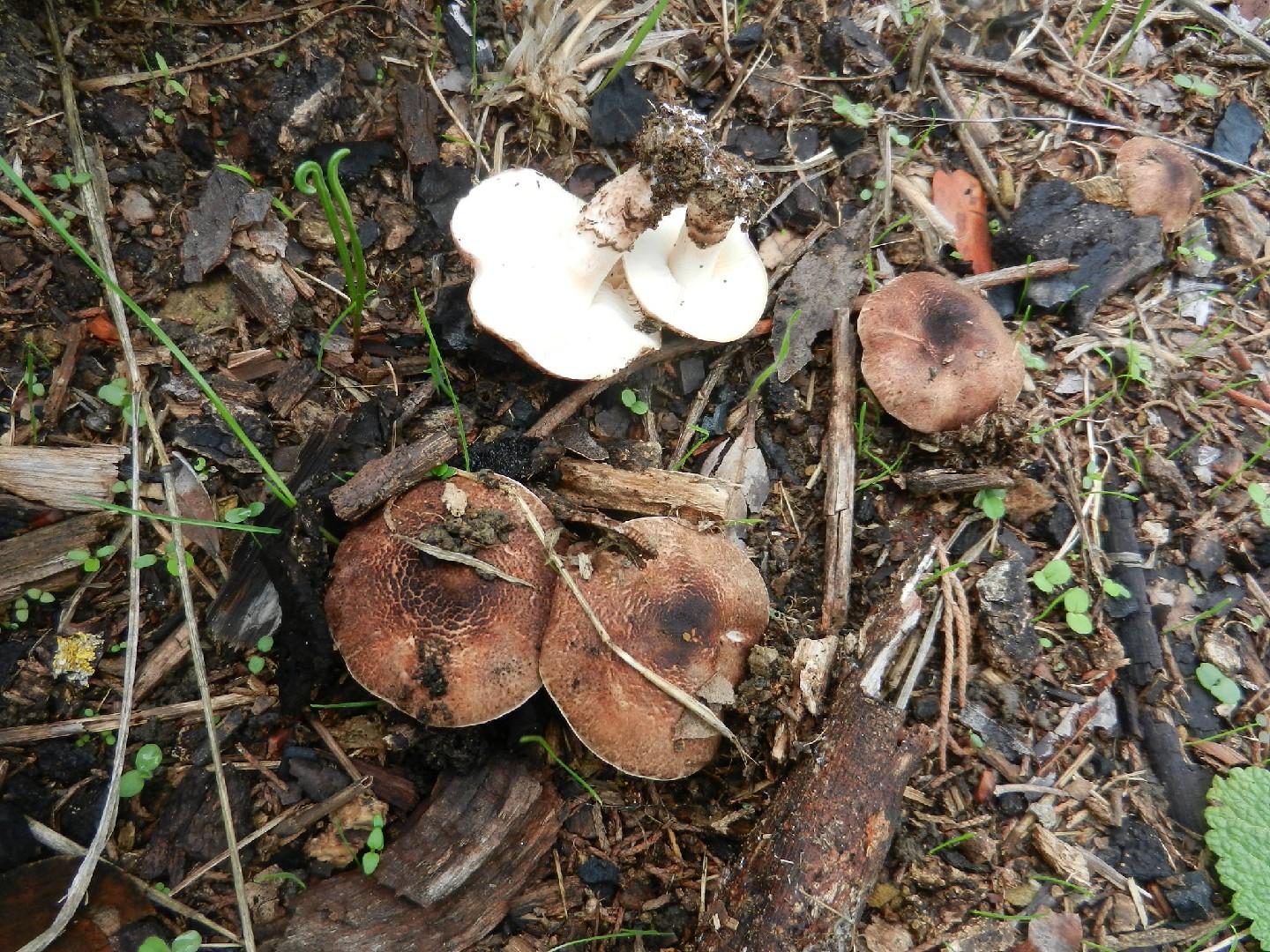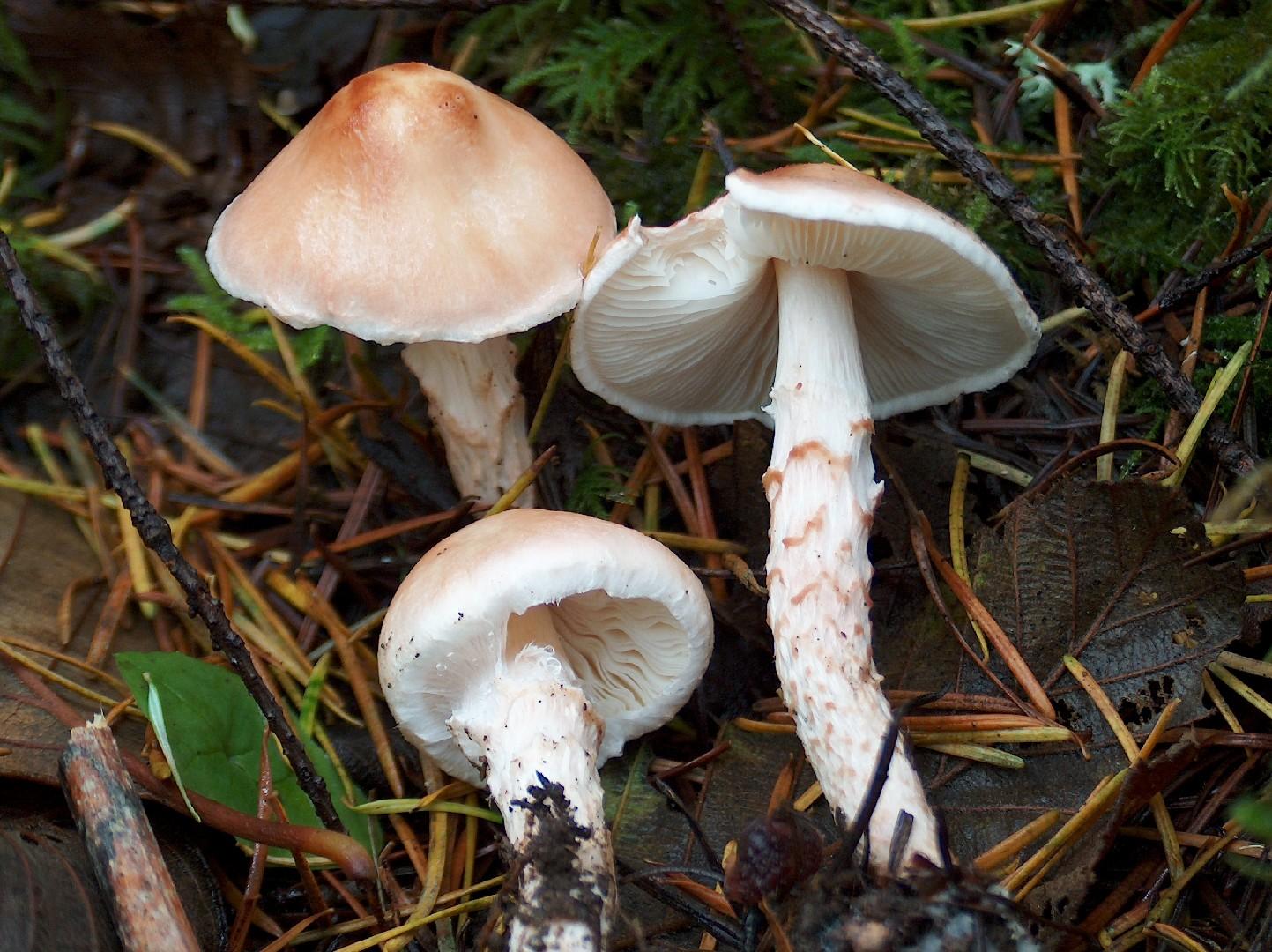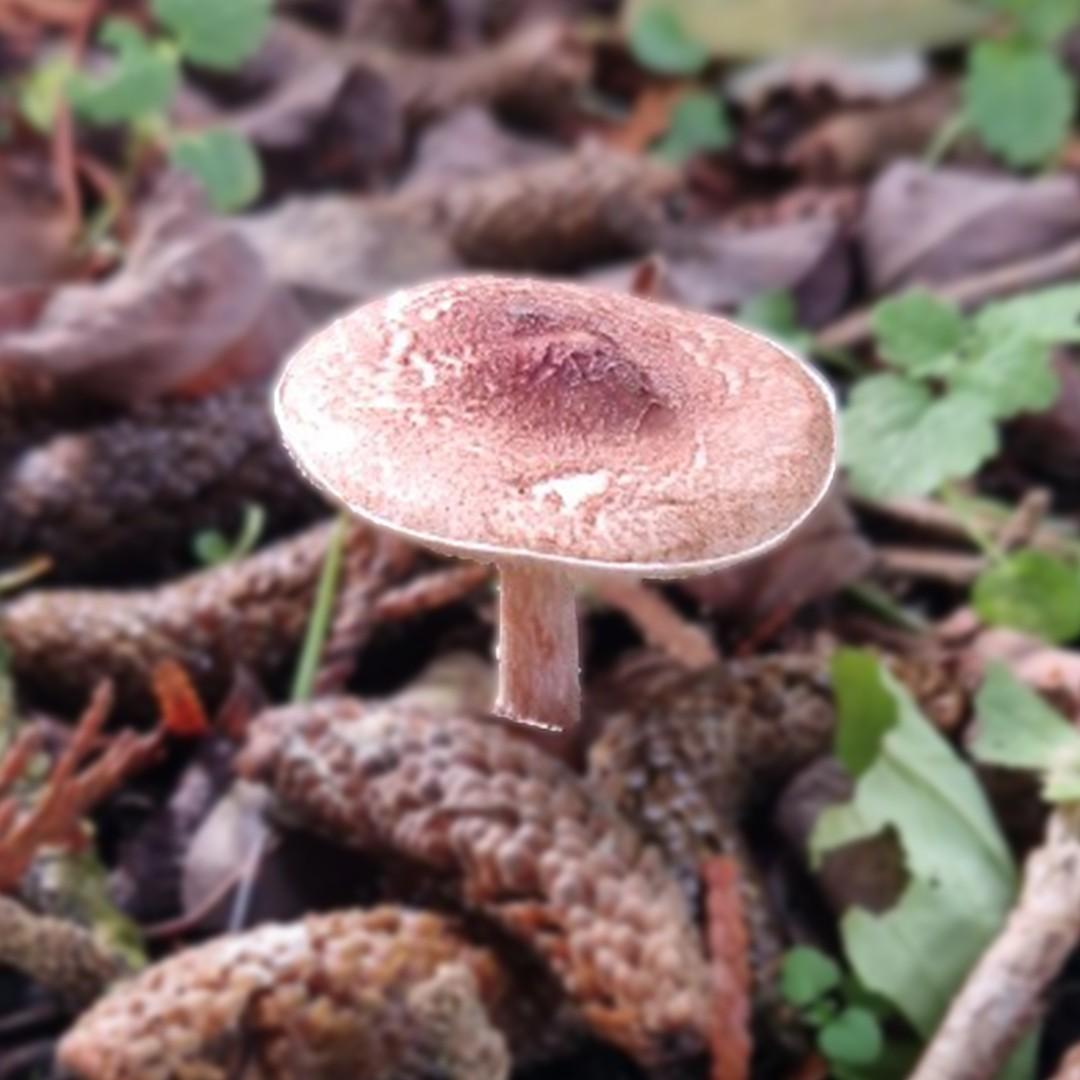
Lepiota helveola
Lepiota helveola
A species of Lepiota.
Lepiota helveola, also recognized as Lepiota pseudohelveola, is a highly poisonous fungus classified within the Agaricales order, Basidiomycotina class, and Agaricomycetes subclass. This species is characterized as a small, white lepiota and is notably very toxic.
In This Article
Attributes of Lepiota helveola
Flesh Bruises
Discolor to pink or red
You can find Lepiota helveola by these plants
Spruces, Firs
Scientific Classification of Lepiota helveola
Phylum
Club fungi
Class
Mushroom-forming fungi
Order
Gilled fungi
Family
Agaricaceae
Genus
Lepiota
Toxicity and Edibility of Lepiota helveola
Is Lepiota helveola Toxic?
Lepiota helveola poses a significant health risk as a hepatotoxic mushroom. Initial symptoms often involve stomach cramps, feeling sick, general weakness, throwing up, and lightheadedness, which can progress to circulatory collapse. More serious, later-stage effects include inflammation of the liver, cardiac arrest, and impaired liver function. Given its extreme toxicity, consuming this mushroom is strongly advised against.
Toxins type
Amatoxins, Phallotoxins, Virotoxins
Type of poisoning
Hepatotoxic
Toxic Severity
Extreme toxicity
Incubation Period
4-24 hours
Poisoning Symptoms
Early symptoms: abdominal cramps, nausea, weakness, vomiting, and dizziness, with potential for circulatory failure. Later stages: calf and abdominal cramps, hepatitis, heart failure, bloody diarrhea, and liver damage.