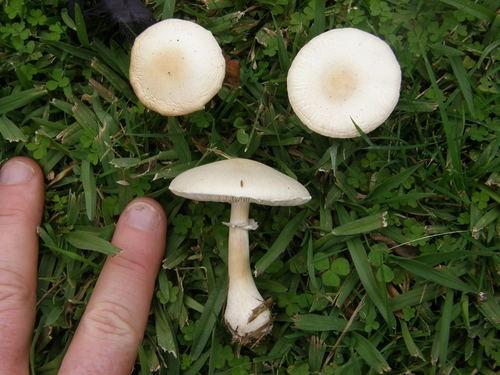
White dapperling
Leucoagaricus leucothites
A species of Leucoagaricus. Also known as White agaricus mushroom.
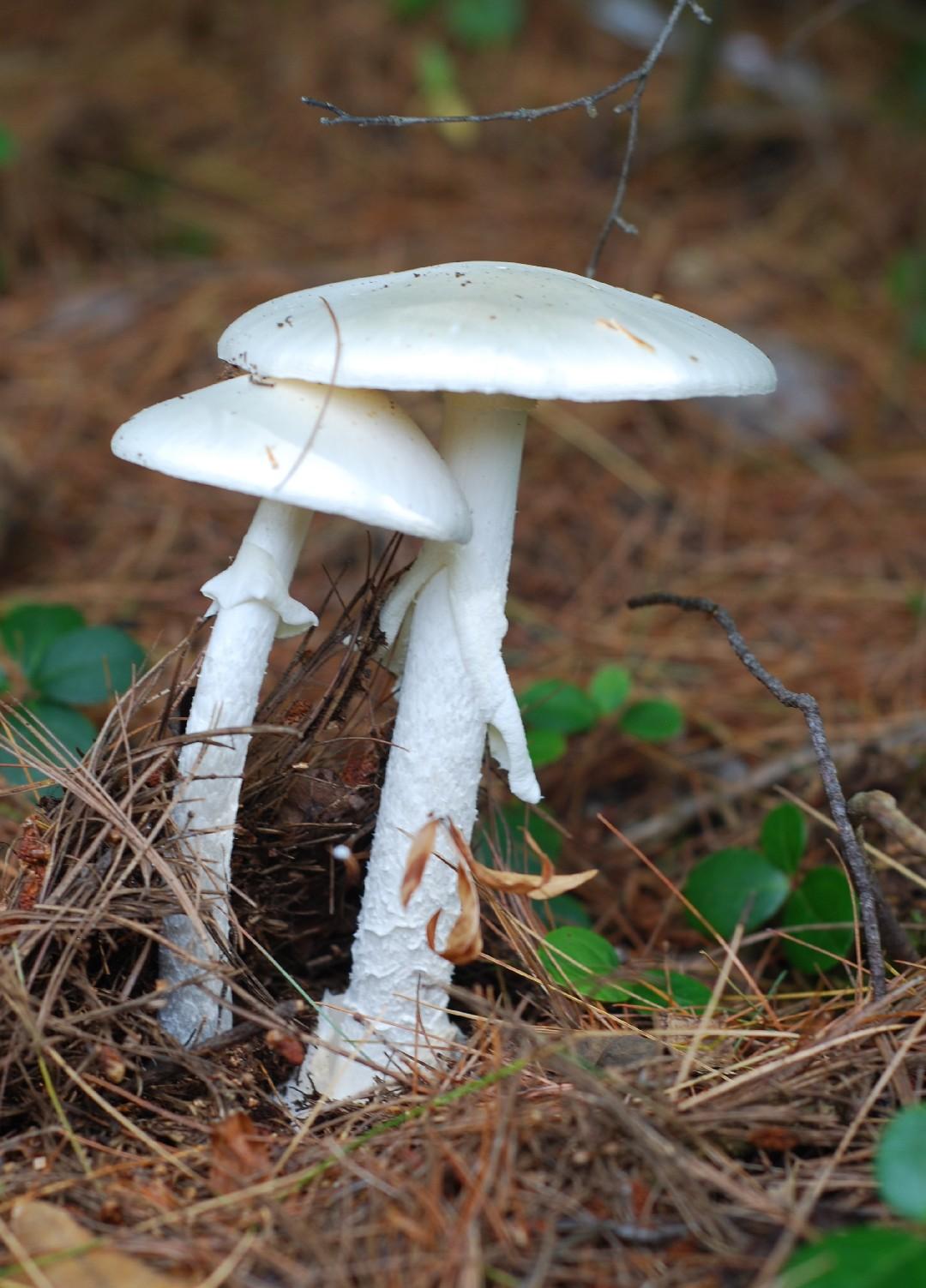
The northern hemisphere's open fields are home to scattered groups of white dapperling mushrooms. While they can sometimes trigger toxic responses in humans, their resemblance to highly venomous species such as Deathcap and Destroying Angel makes handling them particularly risky.
In This Article
Attributes of White dapperling
Cap Diameter
3 - 10 cm
Height
5 - 12 cm
Cap
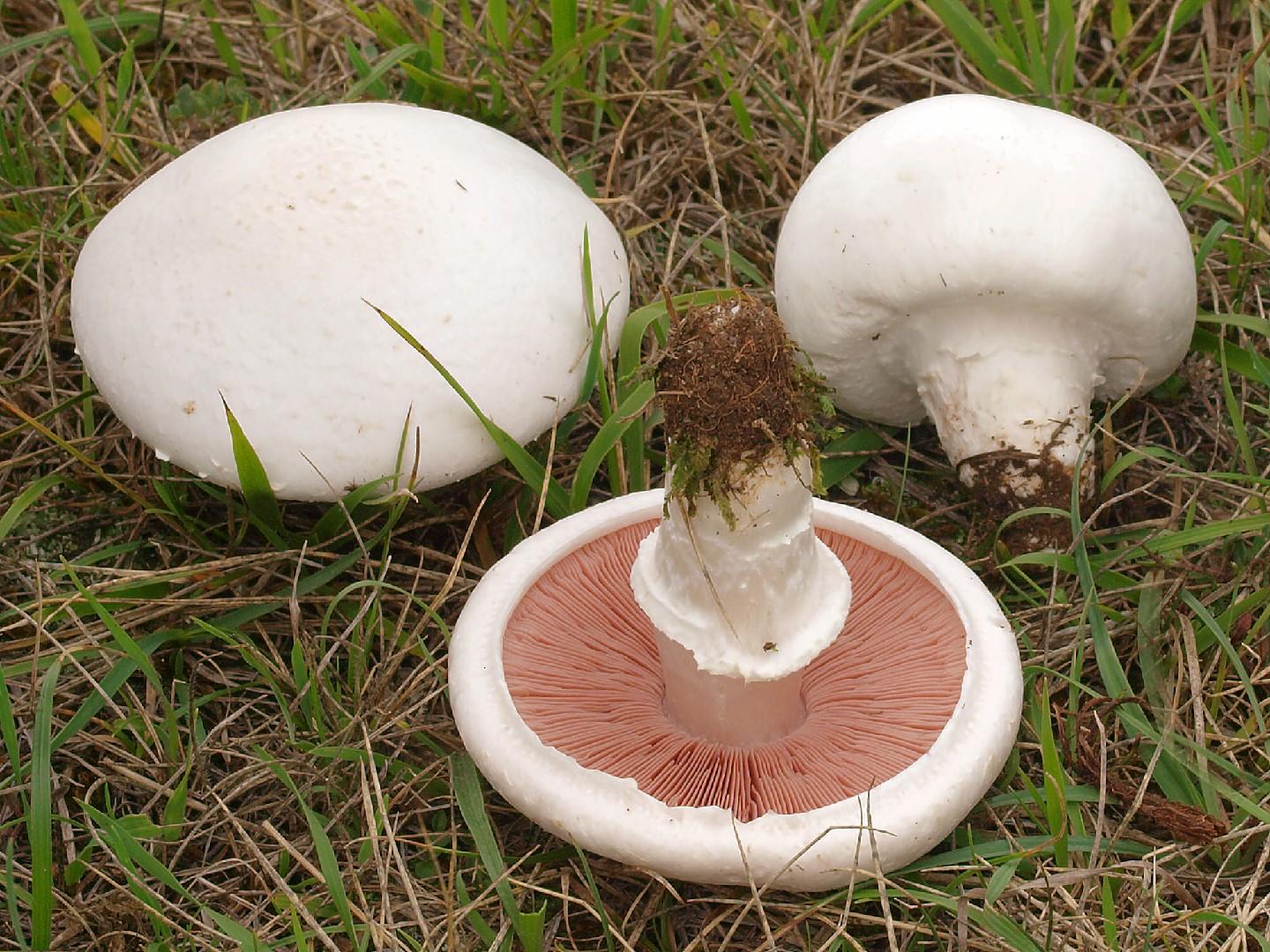
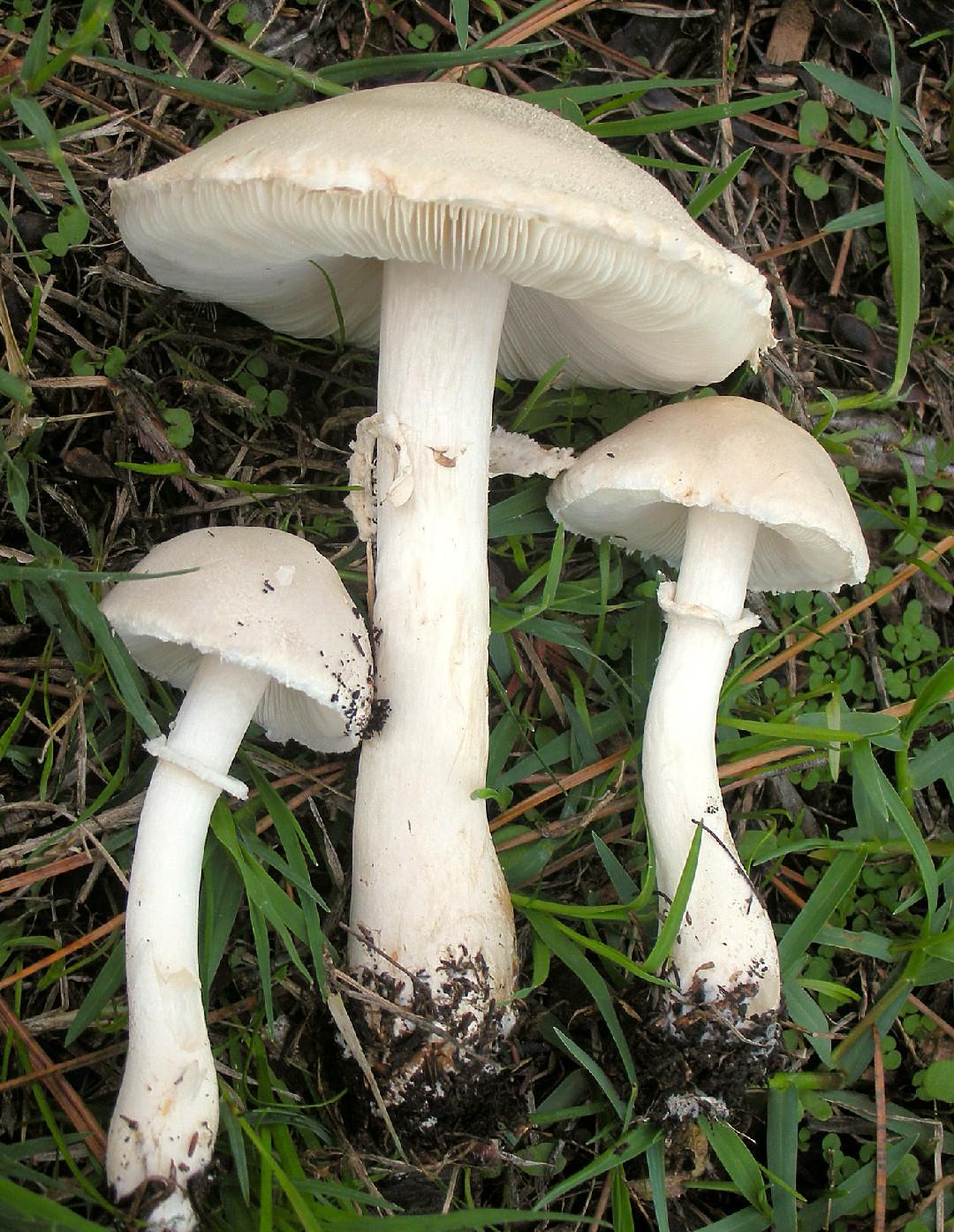
5 - 9 cm; convex, broadly convex, broadly bell-shaped; white; staining and bruising yellowish to brownish
Cap Shape
Convex, Bell-shaped, Flat
Cap Surfaces
Fibrillose-scaly, Velvety
Gills
Free; close; white
Gill Attachment
Free
Stem
6 - 10 cm long, 1 - 1.5 cm thick; club-shaped; Turns yellow and brown when stained and bruised
Stem Shapes
Club Shaped
Stem Surfaces
Smooth
Flesh
White; not changing colors when sliced
Volva
Sac-like
Ring
With Ring
Spore Print Color
White
Odor
Mildly mushroomy but not distinctive.
Body Color
GrayWhite
Flesh Bruises
The flesh or milk does not discolor when bruised or cut.
Growth Form
Solitary, Scattered, Gregarious
Nutrient Gathering
Saprophytic
Substrate
On soil
You can find White dapperling by these plants
Spruces
Occurence Habitats
Meadows, Disturbed Lands, Coniferous Woodland
Species Status
Widely distributed and common throughout North America.
Endangered Species
No
Scientific Classification of White dapperling
Phylum
Club fungi
Class
Mushroom-forming fungi
Order
Gilled fungi
Family
Agaricaceae
Genus
Leucoagaricus
Toxicity and Edibility of White dapperling
Is White dapperling Toxic?
Although the white dapperling was once thought to be safe to eat, some individuals have reported experiencing allergic reactions after consumption, manifesting as symptoms like nausea, vomiting, and general stomach upset. Furthermore, extreme care is recommended during identification because of its close resemblance to several lethal species within the Amanita genus.