Slender parasol
Macrolepiota mastoidea
A species of Macrolepiota.
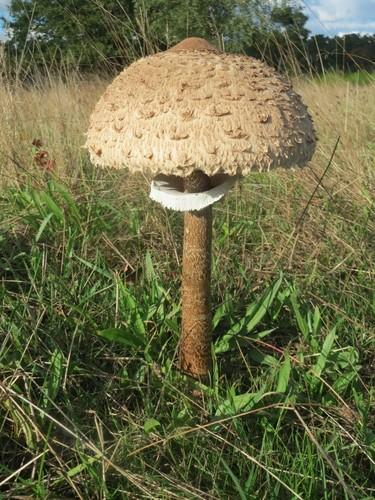
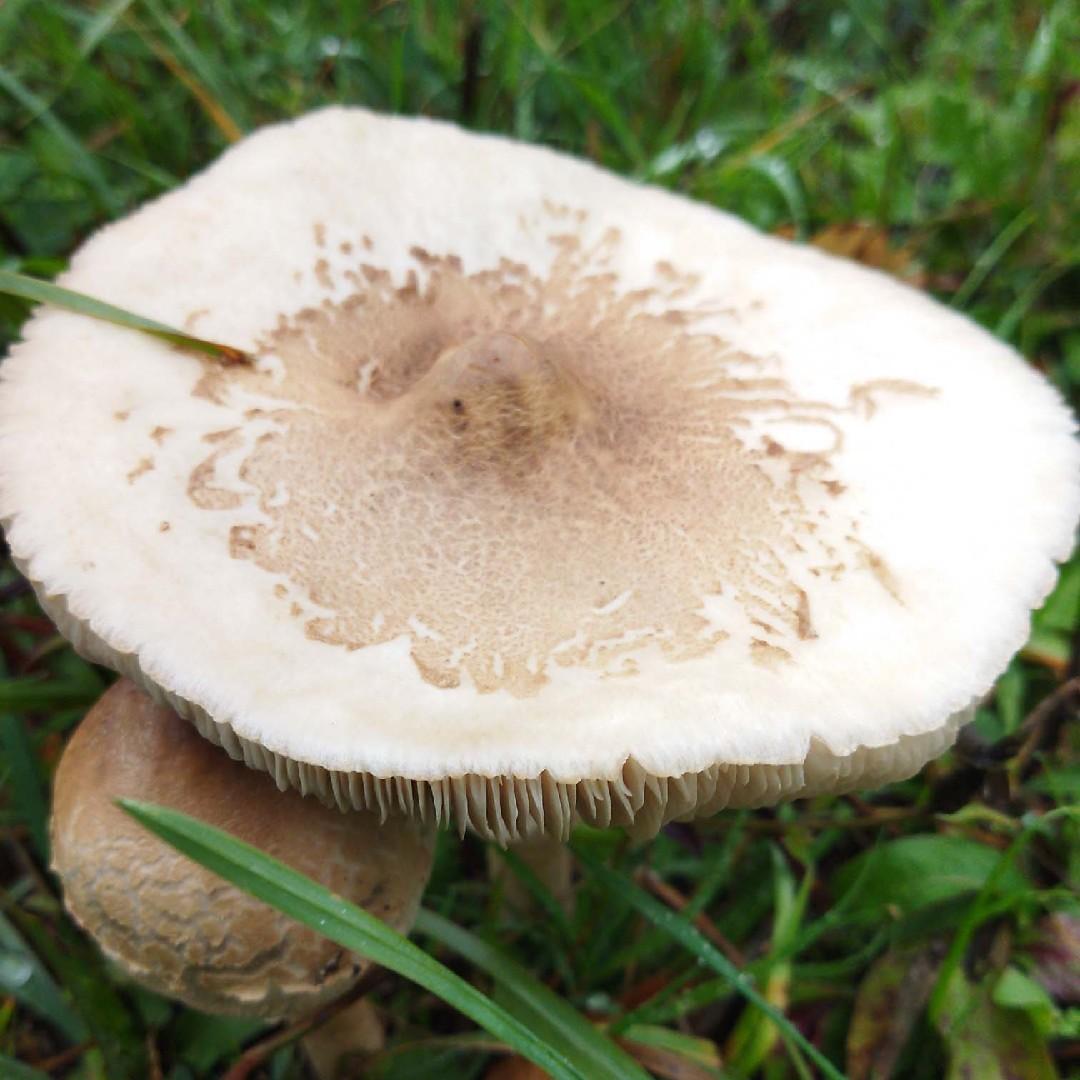
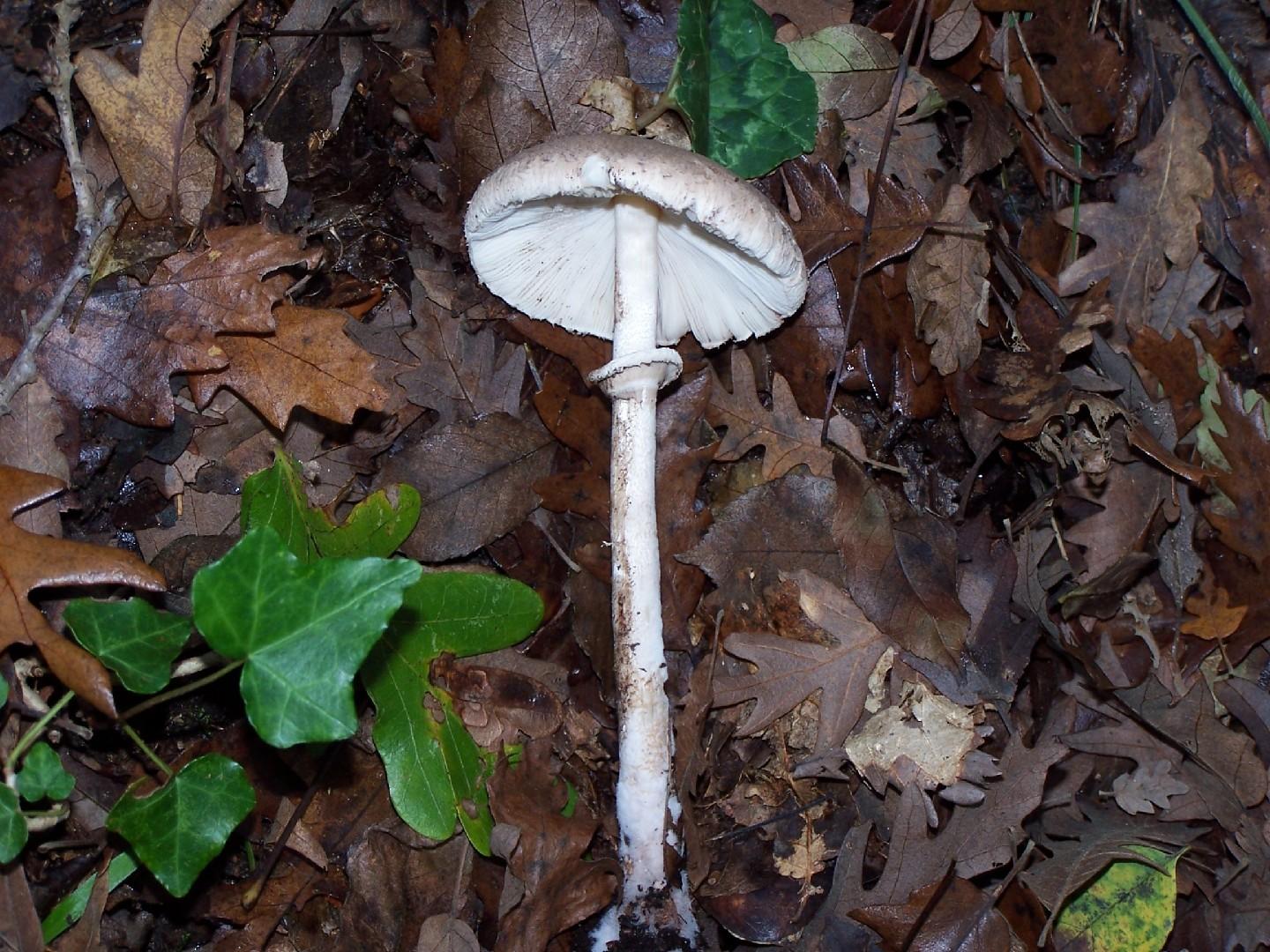
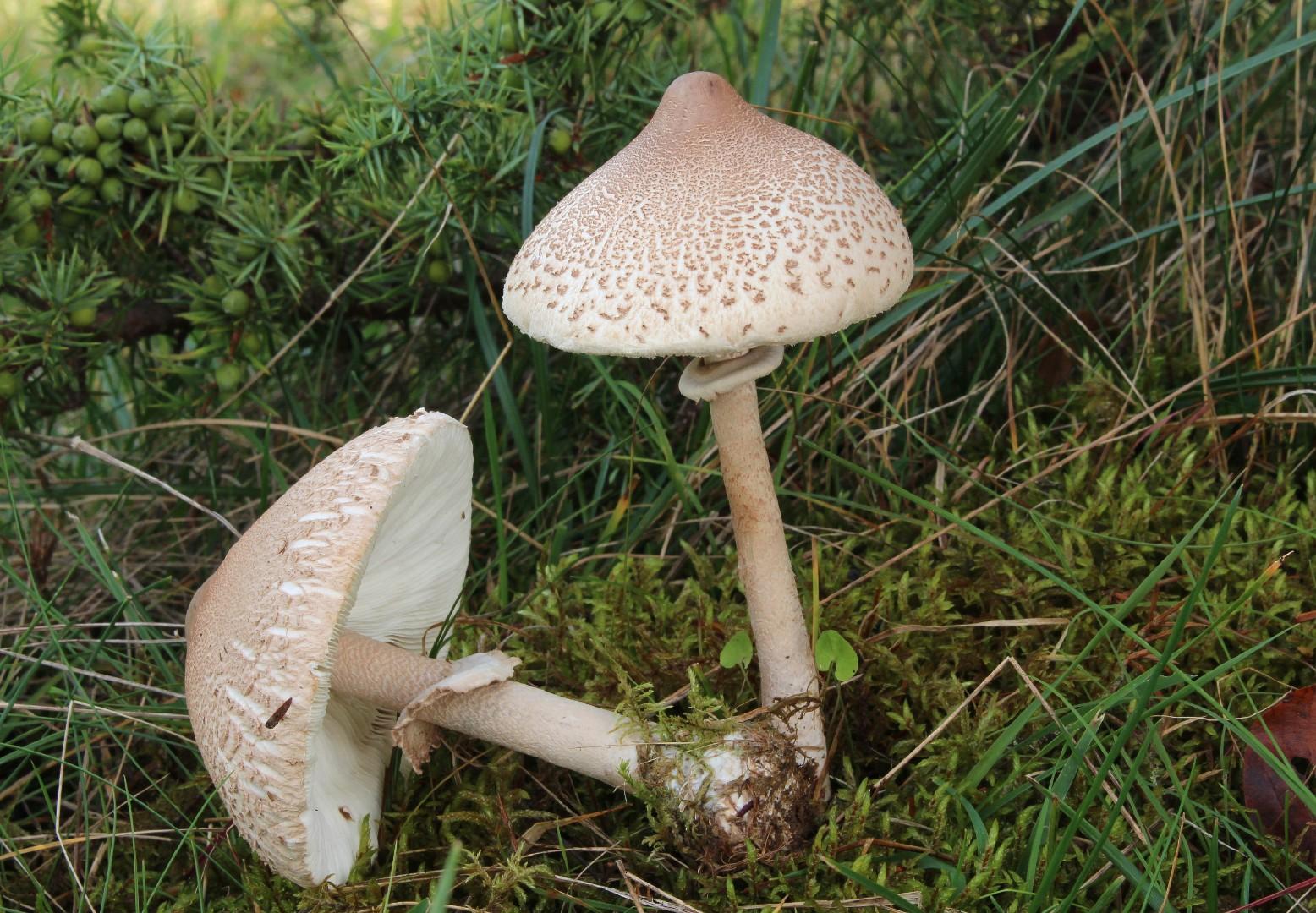
The slender parasol, scientifically known as Macrolepiota mastoidea, is a sizable and frequently encountered white fungus. A distinguishing feature of this mushroom is the double ring typically found on its stalk. Its Latin designation, mastoidea, translates to breast-like, alluding to the prominent, nipple-shaped protuberance at the apex of its cap. This species thrives particularly well in calcium-rich soils.
In This Article
Attributes of Slender parasol
Cap Diameter
5 - 15 cm
Height
8 - 18 cm
Cap
Cap 5 - 15 cm across; hemispherical to umbonate; pale pinkish to grayish brown, cream; with scales
Cap Shape
Convex, Flat, Central Bump
Cap Surfaces
Fibrillose-scaly
Gills
Free; crowded; white to cream
Gill Attachment
Free
Stem
Stem 6 - 16 cm long, 6 - 15 mm thick; white, brown; with scales
Stem Shapes
Club Shaped
Stem Surfaces
Scaly
Flesh
Thin; soft, fibrous; white; unchanging
Ring
With Ring
Spore Print Color
White to pale cream
Odor
Faintly earthy, subtly mushroom-like aroma.
Body Color
BrownWhite
Flesh Bruises
The flesh or milk does not discolor when bruised or cut.
Growth Form
Solitary, Gregarious, Scattered
Nutrient Gathering
Saprophytic
Substrate
On soil
You can find Slender parasol by these plants
Spruces, European beech
Occurence Habitats
Meadows, Disturbed Lands
Species Status
Fairly common
Endangered Species
No
Scientific Classification of Slender parasol
Phylum
Club fungi
Class
Mushroom-forming fungi
Order
Gilled fungi
Family
Agaricaceae
Genus
Macrolepiota
Toxicity and Edibility of Slender parasol
Is Slender parasol Toxic?
Toxicity information is not available for this mushroom. Always consult with an expert before consuming any wild mushrooms.