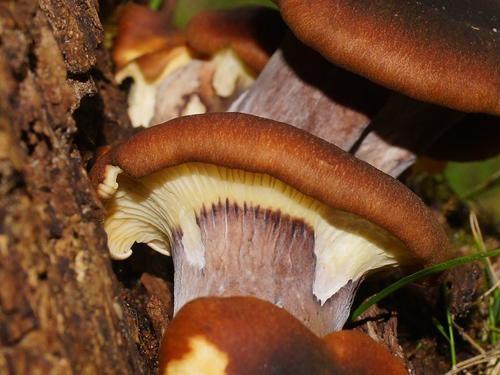
Ghost fungus
Omphalotus nidiformis
A species of Omphalotus.
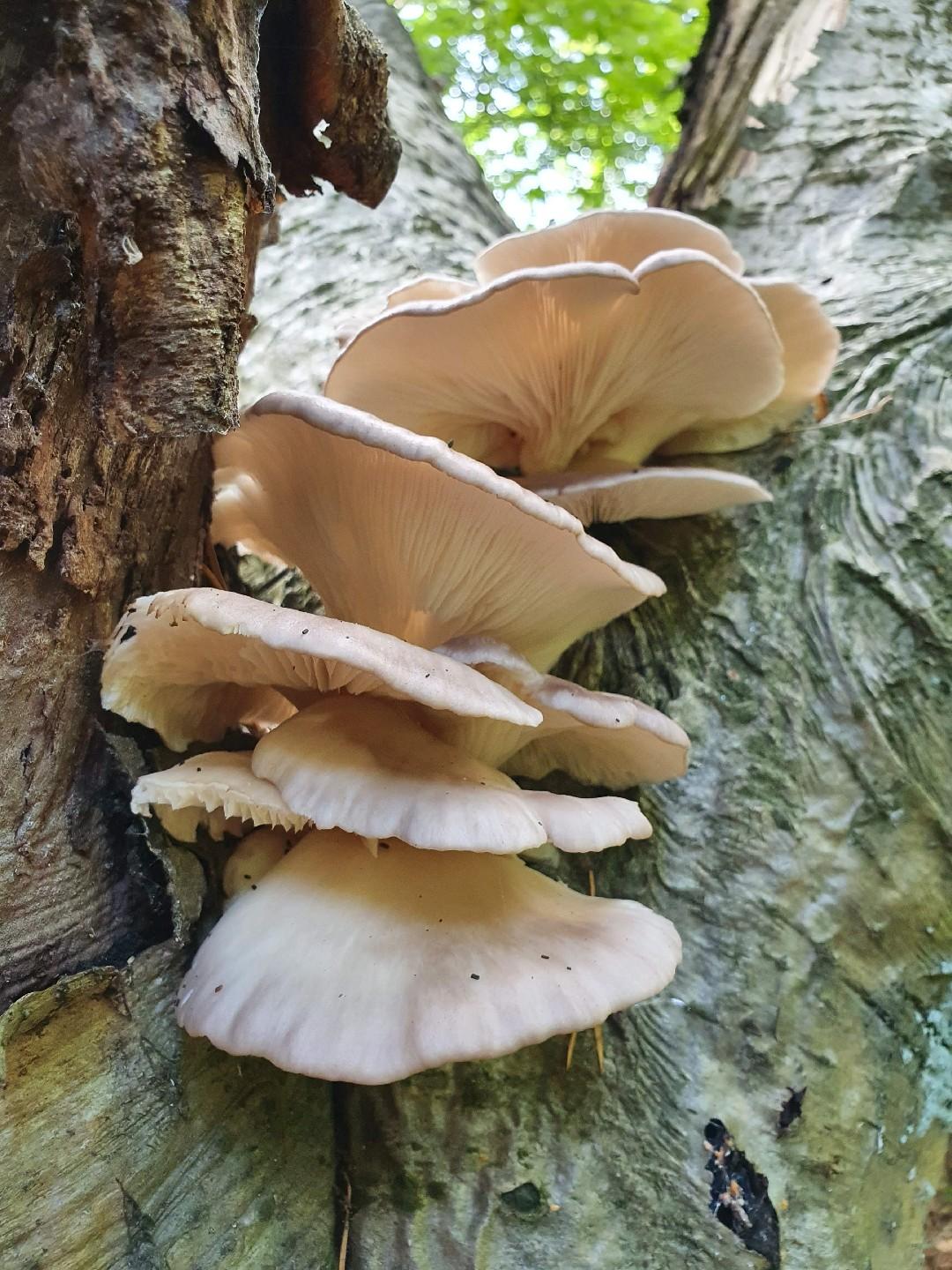
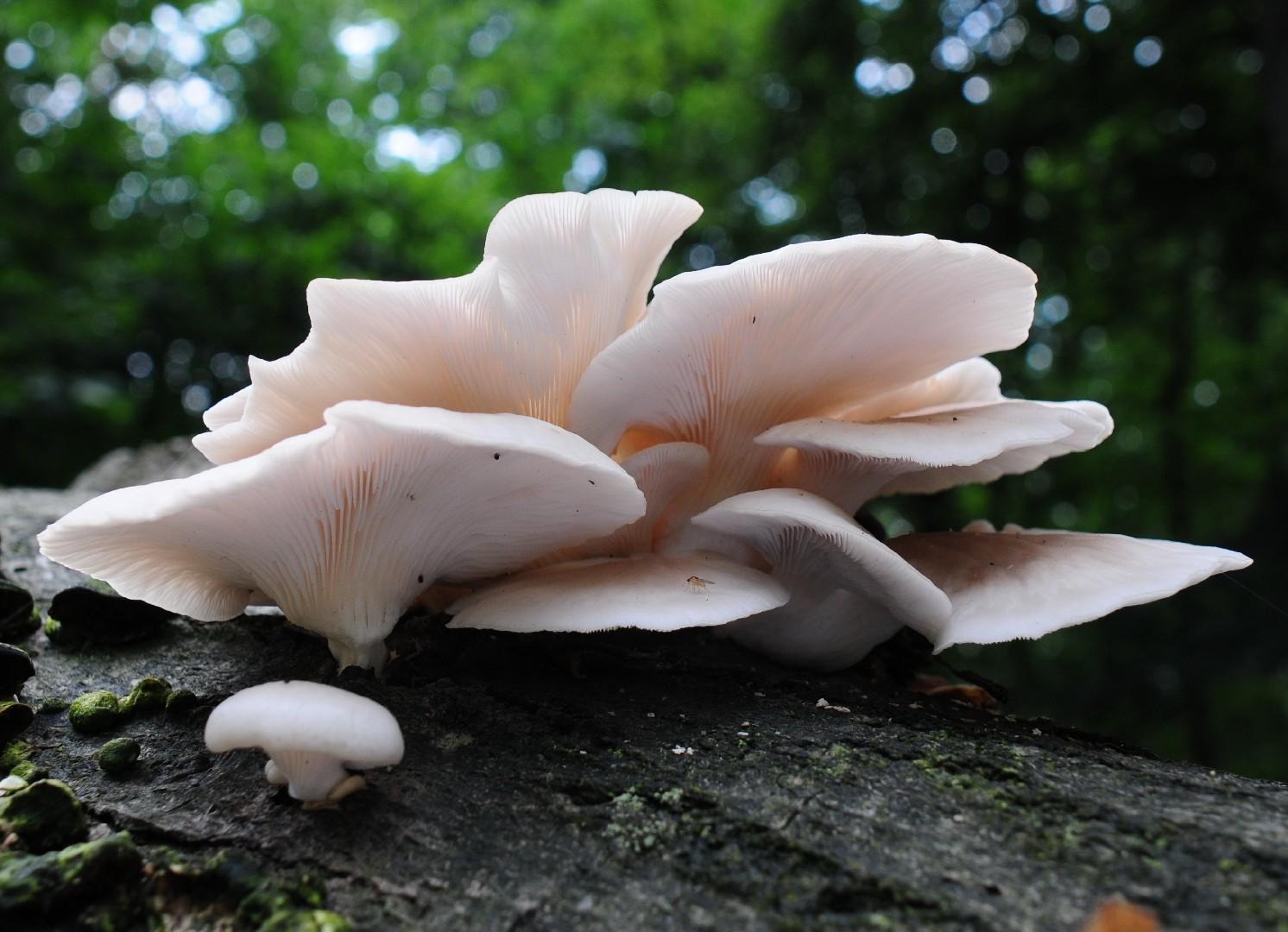
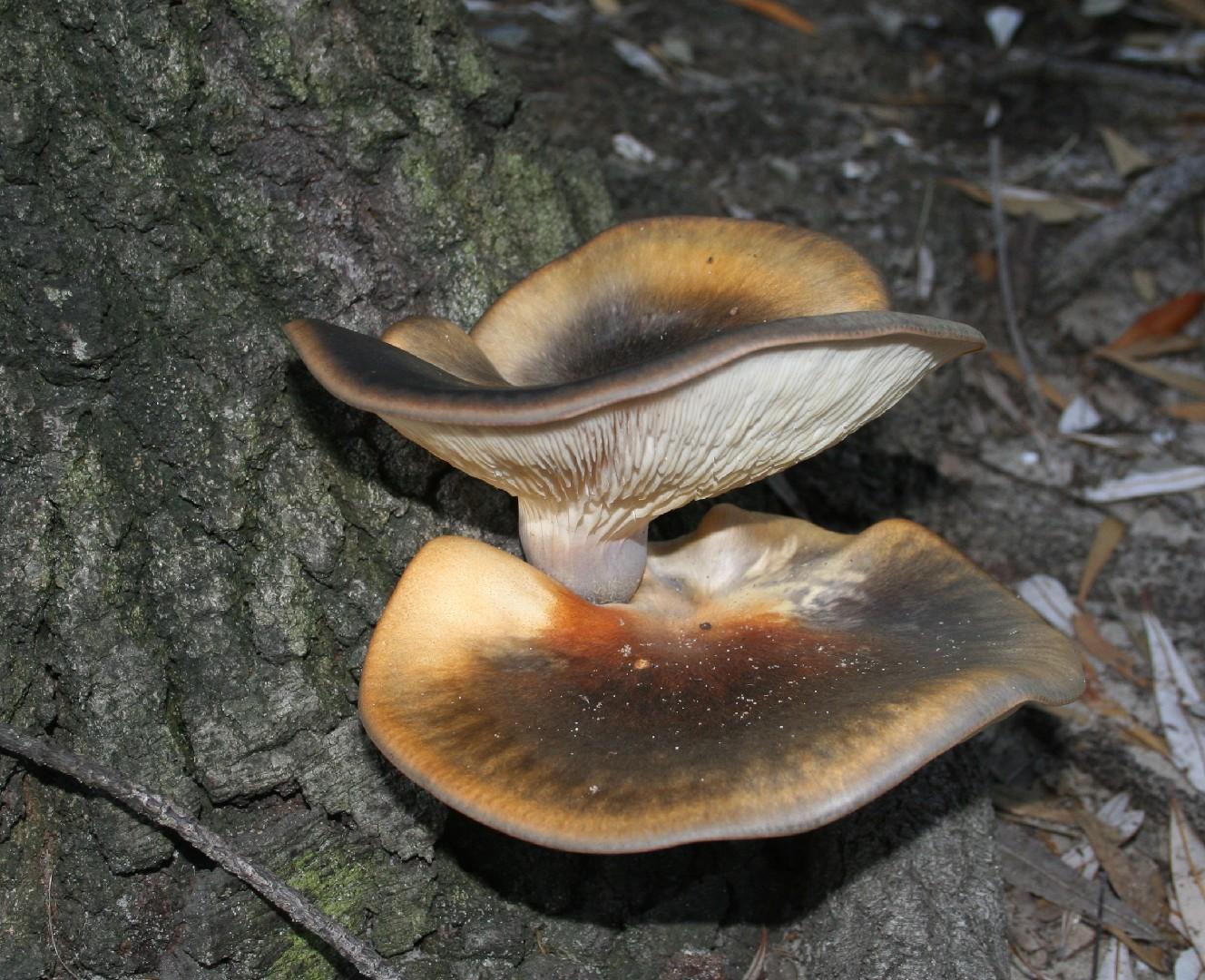
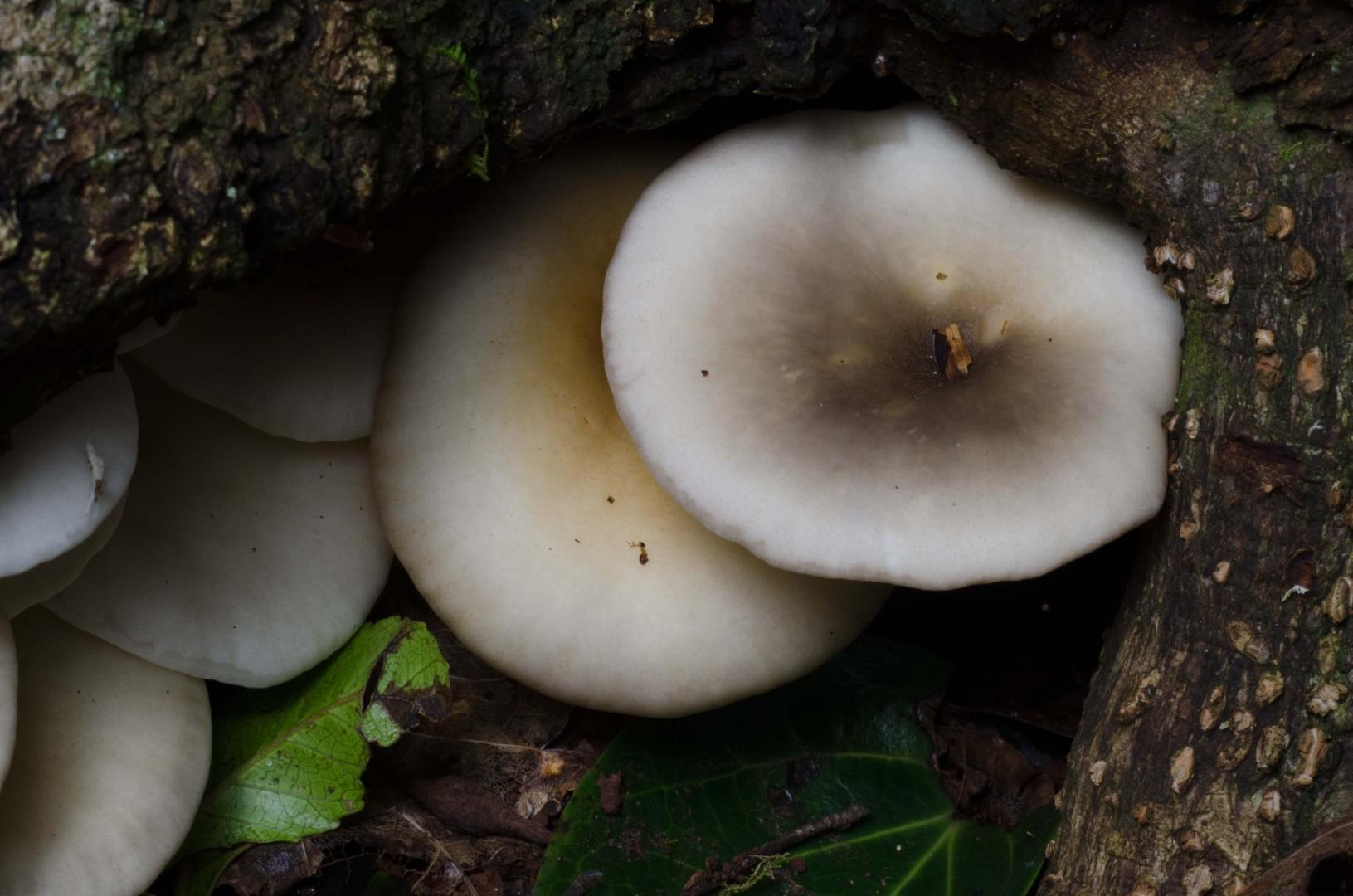
The ghost fungus, an Australian native, bears a striking resemblance to the familiar Pleurotus ostreatus, commonly known as the Oyster mushroom. Their visual similarities are so pronounced that the ghost fungus was historically classified within the same genus. However, a crucial distinction lies in their edibility: while the oyster mushroom is a culinary delight, the ghost fungus is not suitable for consumption, possessing mild toxicity.
In This Article
Attributes of Ghost fungus
Cap
30 cm in diameter; funnel-shaped, fan-shaped
Gills
Decurrent; distant to close; cream-whiteD
Flesh
Thin; creamy white
Spore Print Color
White
Odor
Mildly mushroomy but not distinctive.
Body Color
BrownGrayOrangeCream
Flesh Bruises
The flesh or milk does not discolor when bruised or cut.
Growth Form
Gregarious, Clustered
Nutrient Gathering
Saprophytic
Substrate
On wood
Scientific Classification of Ghost fungus
Phylum
Club fungi
Class
Mushroom-forming fungi
Order
Gilled fungi
Family
Marasmiaceae
Genus
Omphalotus
Toxicity and Edibility of Ghost fungus
Is Ghost fungus Toxic?
Consumption of the ghost fungus, a very poisonous mushroom, leads to intense digestive upset. Typical indicators of its toxicity encompass forceful emesis, queasiness, loose stools, stomach discomfort, abdominal spasms, and perspiration.