Panaeolus antillarum
Panaeolus antillarum
A species of Panaeolus.
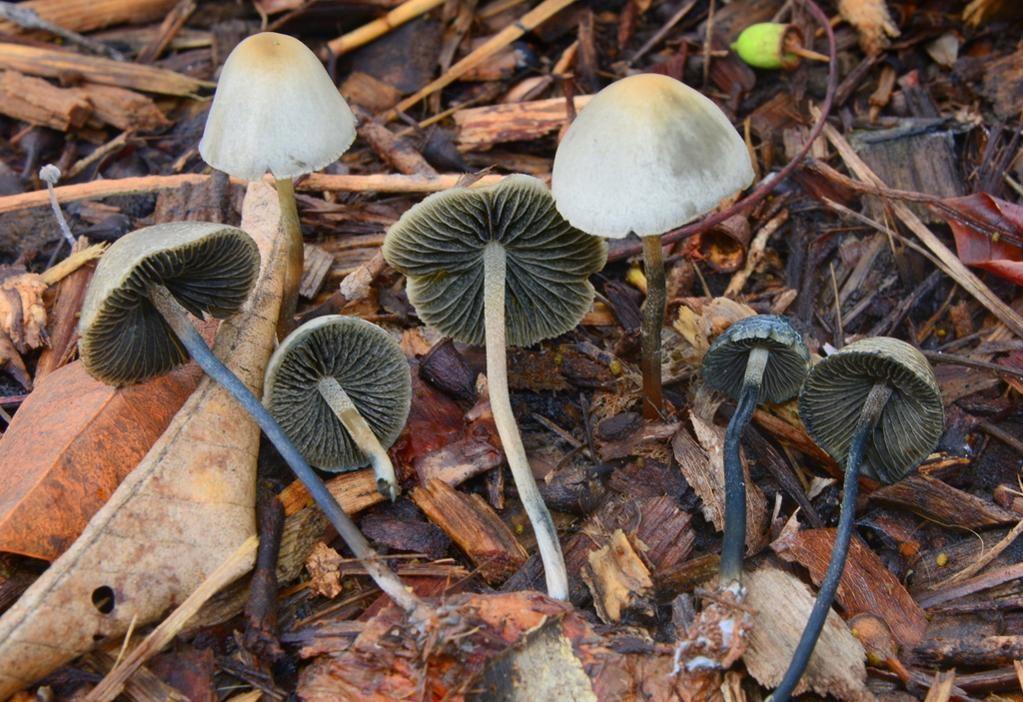
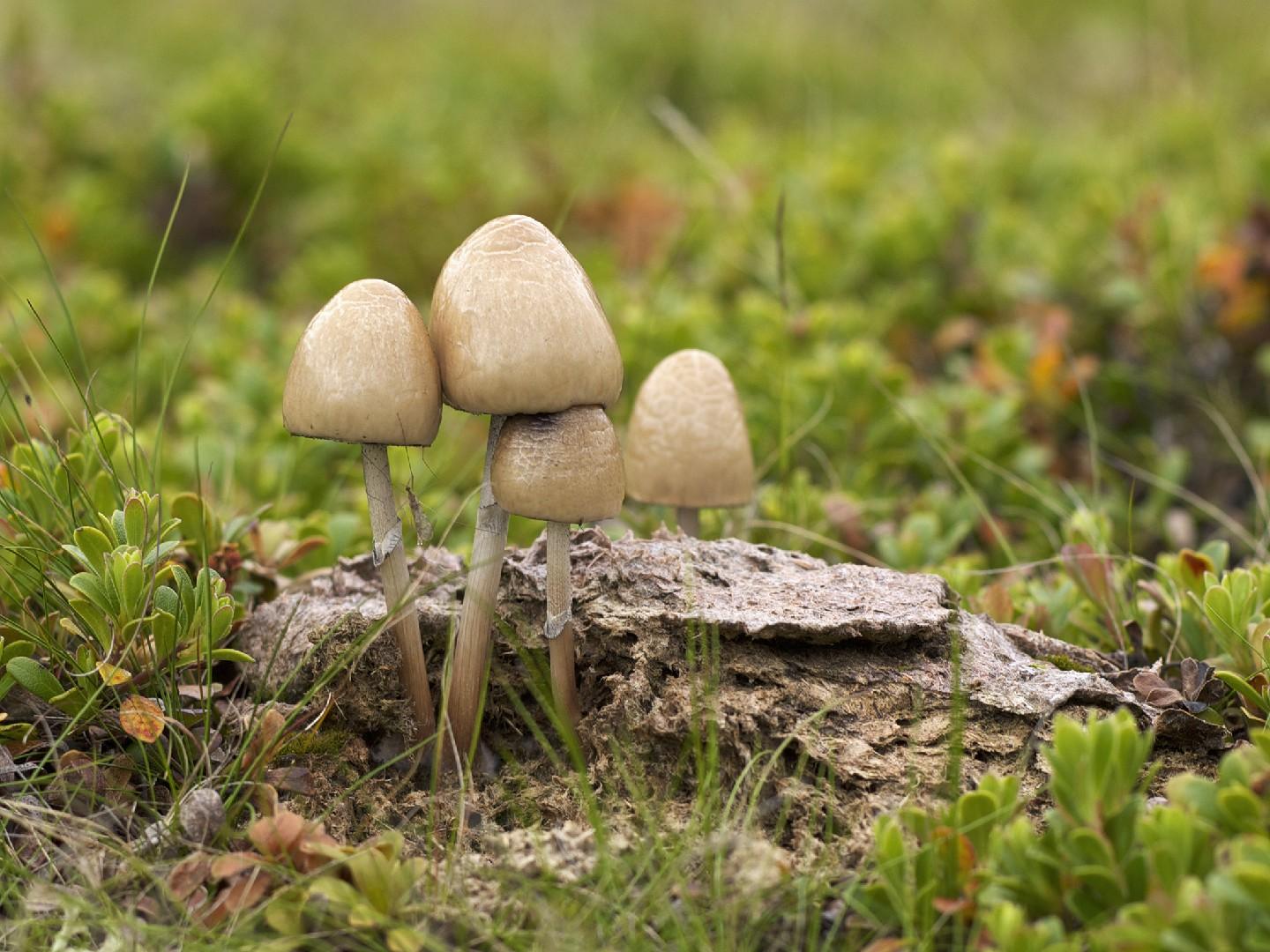
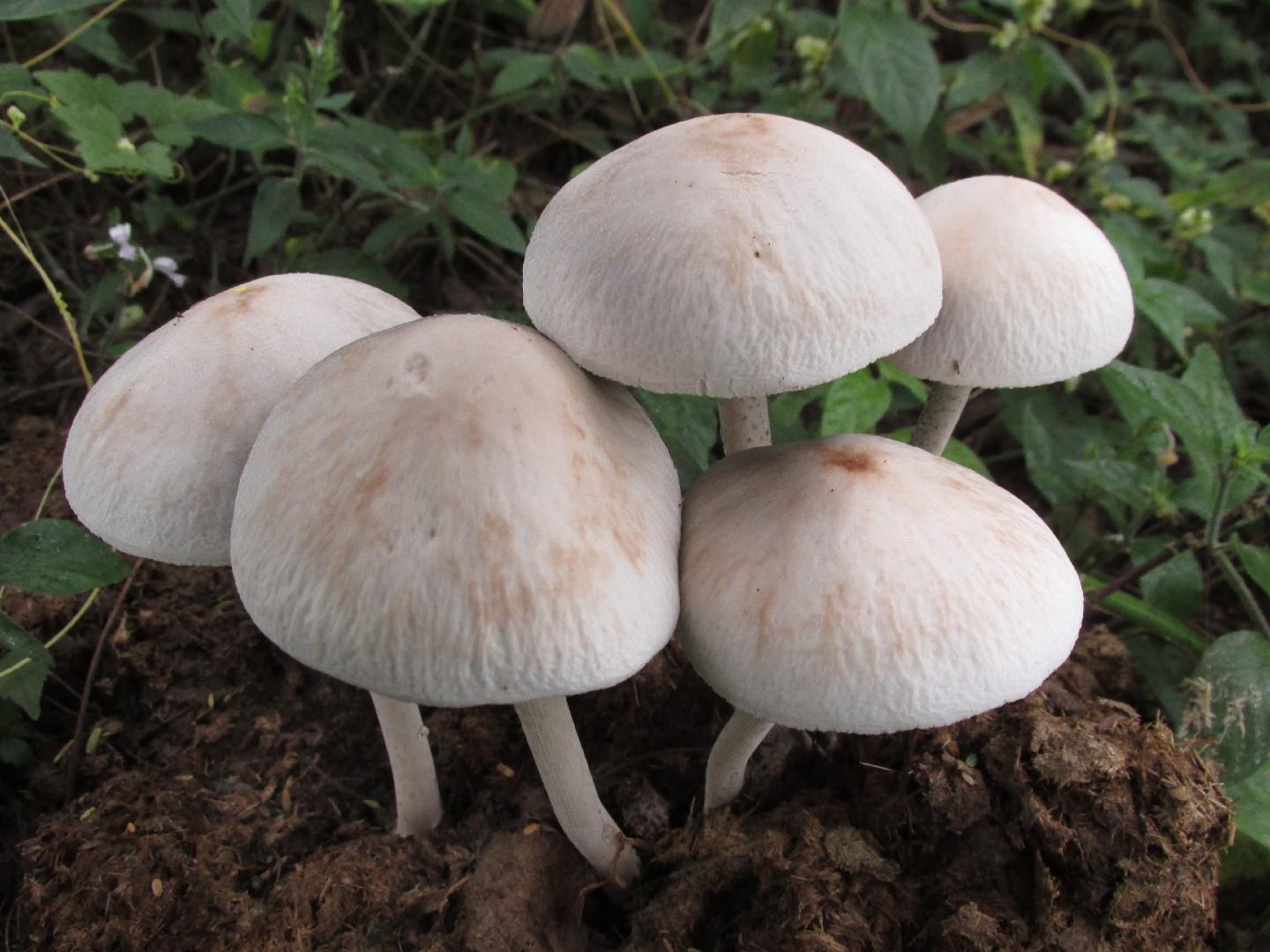
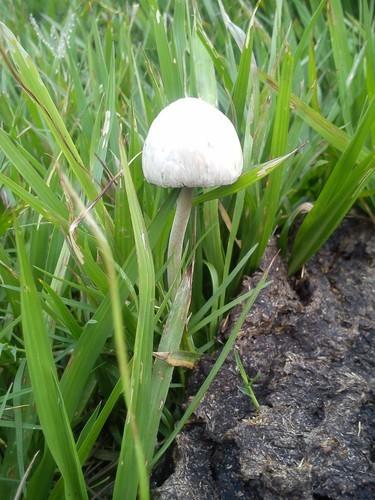
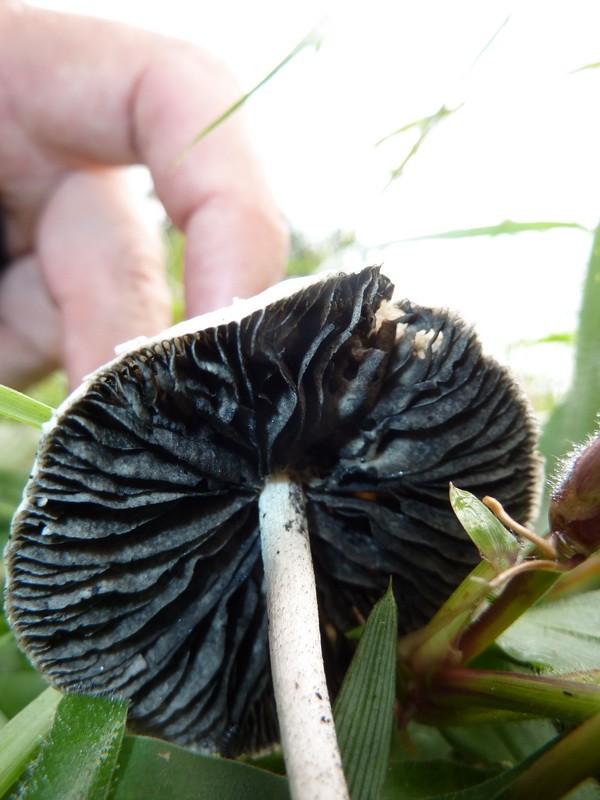
The Panaeolus antillarum is a small and unremarkable mushroom. It typically flourishes on animal waste, a common trait among species within the Panaeolus genus, though it can also be observed in moist pastures or even garden lawns. While its stem and cap lack distinctive features for quick identification, a key characteristic of this particular species is its intensely black spore print.
In This Article
Attributes of Panaeolus antillarum
Cap Diameter
3 - 6 cm
Height
5 - 25 cm
Cap
Cap 3 - 6 cm; bell-shaped to convex; white, yellowish; thick, smooth, often with fine wrinkles
Gills
Whitish; smooth and striate towards the base
Stem
4 - 22 cm long, 5 - 20 mm thick; solid, sometimes slightly larger at the base
Flesh
Very thick; whitish
Spore Print Color
Jet black
Odor
Mildly mushroomy but not distinctive.
Body Color
YellowGrayWhite
Flesh Bruises
The flesh or milk does not discolor when bruised or cut.
Growth Form
Scattered, Gregarious
Nutrient Gathering
Saprophytic
Substrate
On animal dung
You can find Panaeolus antillarum by these plants
Spruces
Species Status
Common and widely distributed
Endangered Species
No
Scientific Classification of Panaeolus antillarum
Phylum
Club fungi
Class
Mushroom-forming fungi
Order
Gilled fungi
Genus
Panaeolus
Toxicity and Edibility of Panaeolus antillarum
Is Panaeolus antillarum Toxic?
Consuming Panaeolus antillarum can cause various toxic reactions, so avoiding this mushroom is highly recommended.