Blue meanies
Panaeolus cyanescens
A species of Panaeolus. Also known as Pan cyan.
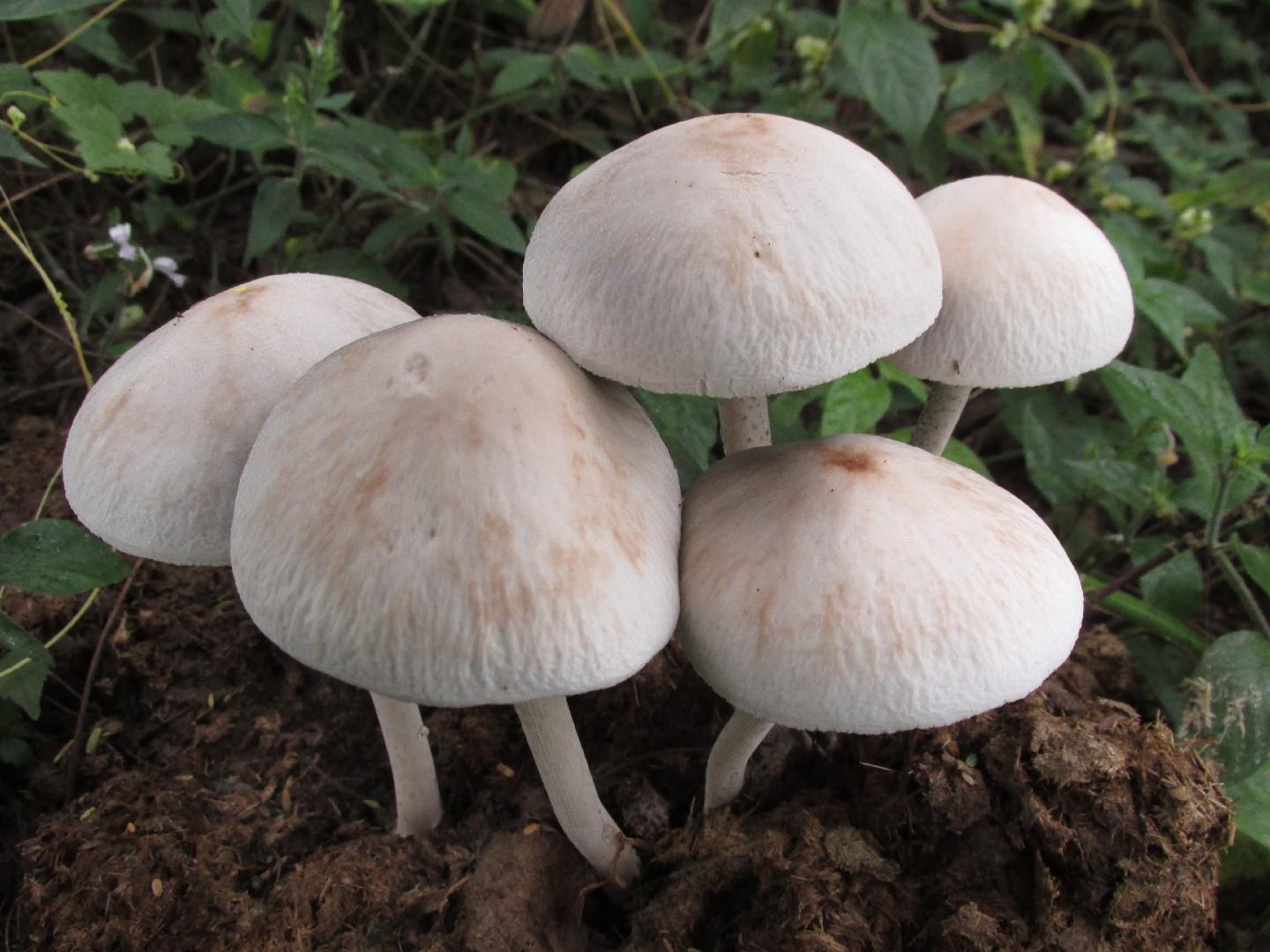
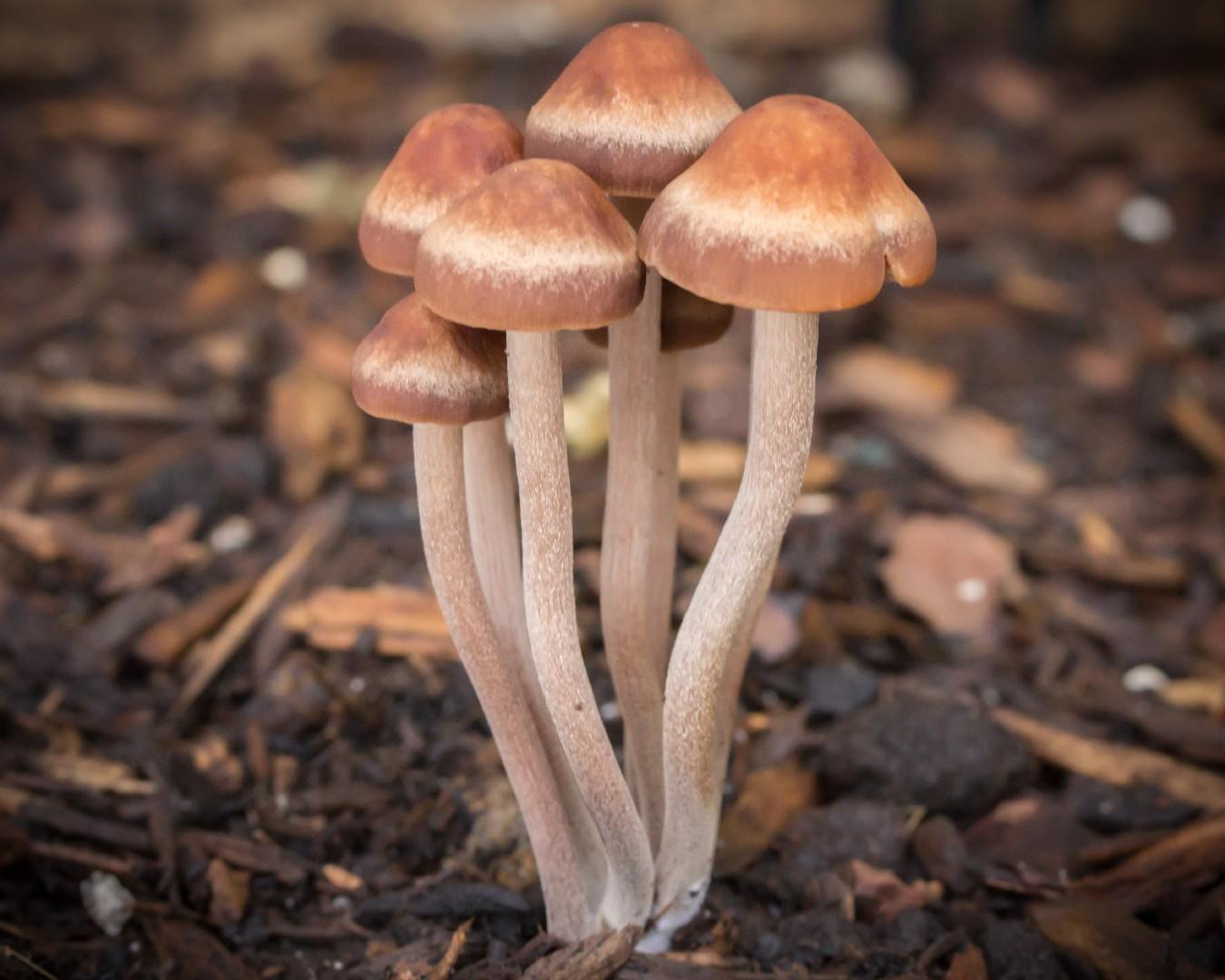
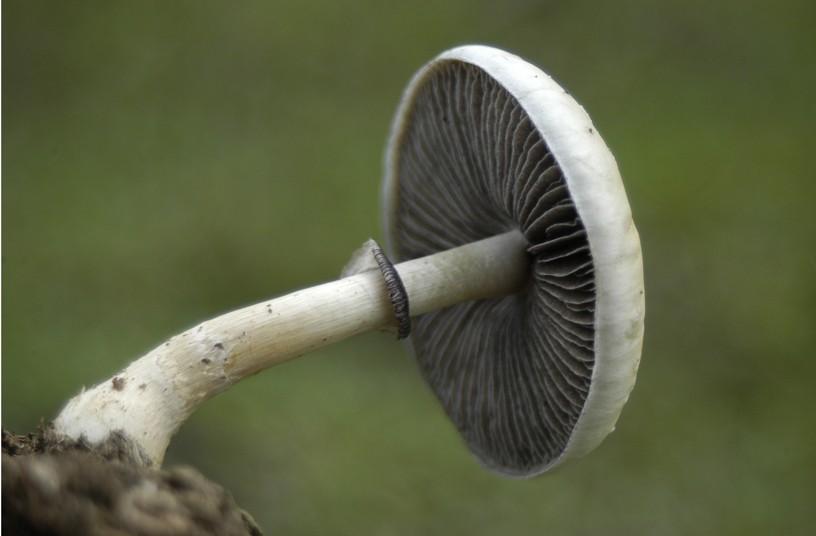
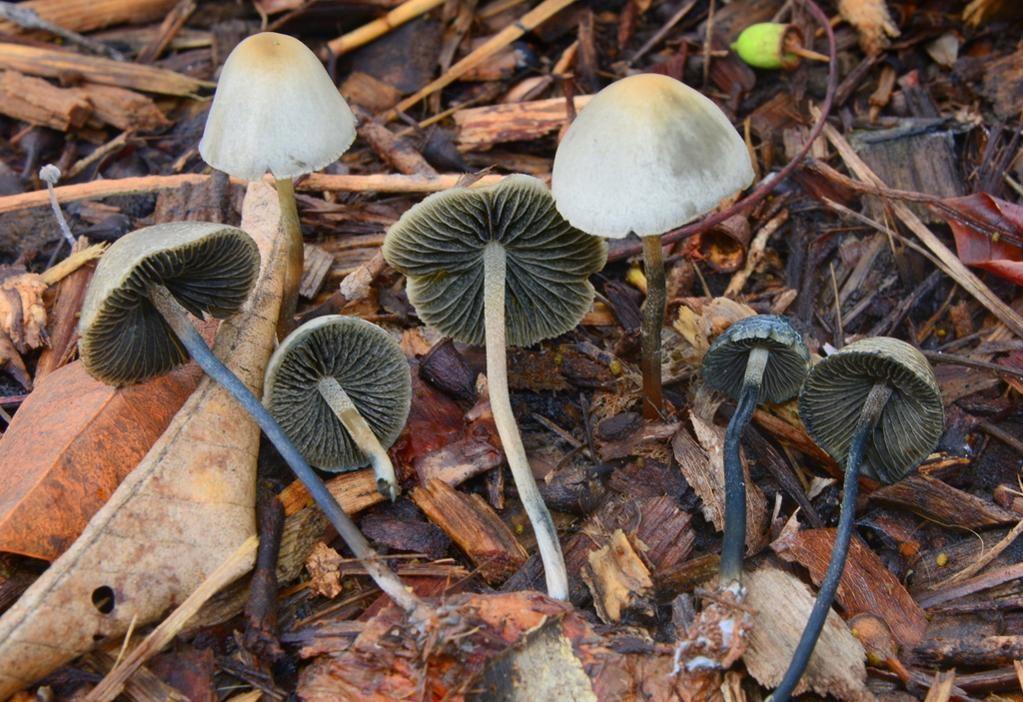
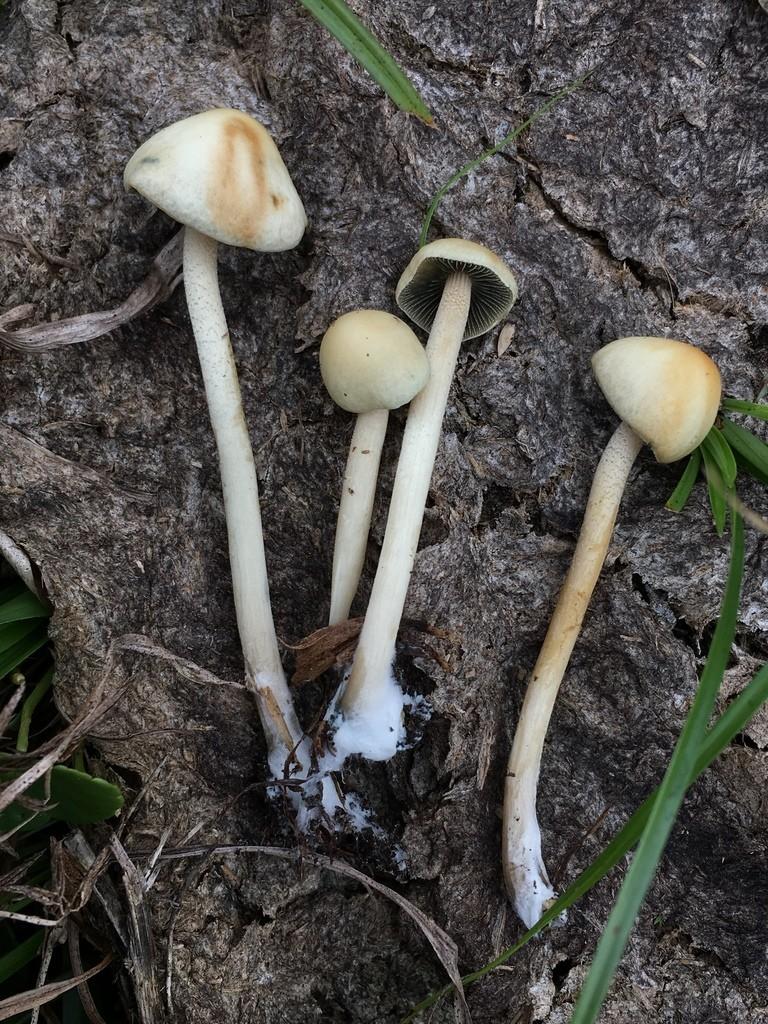
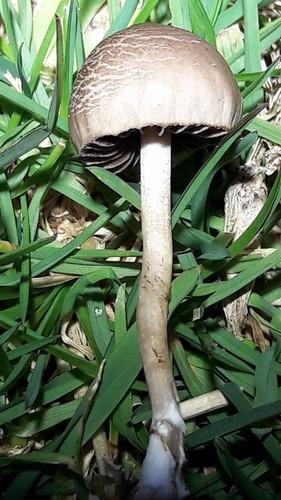
Panaeolus cyanescens, commonly known as blue meanies, thrives in composted dung found in fields worldwide. These petite fungi feature short, bell-shaped caps with a shimmering pale blue hue. Beneath the cap, widely spaced gills are visible. Due to its poisonous nature, ingesting this mushroom carries a significant health risk and is strongly advised against.
In This Article
Attributes of Blue meanies
Cap Diameter
1 - 4 cm
Height
2 - 9 cm
Cap
Cap 1.5 - 4 cm across; hemispheric, campanulate to convex; light brown, off-white, light gray, yellowish, brownish; incurved margin; turning greenish or blue where damaged
Cap Shape
Bell-shaped, Convex
Cap Surfaces
Smooth
Gills
Adnate to adnexed attachment; close; gray, black
Gill Attachment
Free to Attached
Stem
Stem 7 - 12 cm long, 2 - 3 mm thick; slightly enlarged at the base; light brown, light gray, yellowish; staining blue where bruised
Stem Shapes
Cylindrical
Flesh
Thin, bruising blue or bluish-green
Ring
Ringless
Spore Print Color
Black
Odor
Mildly earthy with a nondescript mushroom scent.
Body Color
BrownYellowGrayWhite
Flesh Bruises
Discolor to blue
Growth Form
Scattered, Gregarious
Nutrient Gathering
Saprophytic
You can find Blue meanies by these plants
Spruces
Species Status
Widely distributed
Endangered Species
No
Scientific Classification of Blue meanies
Phylum
Club fungi
Class
Mushroom-forming fungi
Order
Gilled fungi
Genus
Panaeolus
Toxicity and Edibility of Blue meanies
Is Blue meanies Toxic?
Toxicity information is not available for this mushroom. Always consult with an expert before consuming any wild mushrooms.