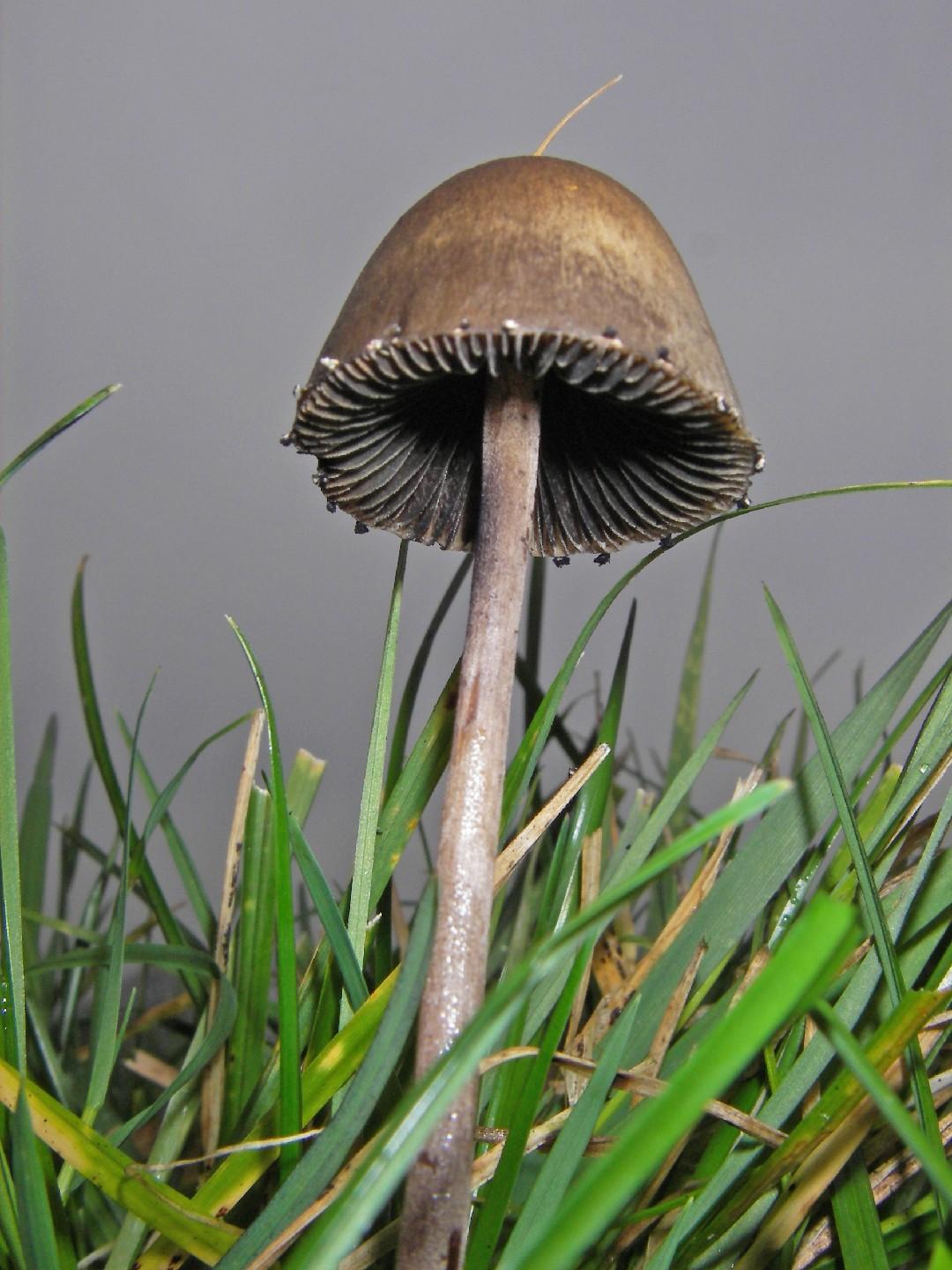
Petticoat mottlegill
Panaeolus papilionaceus
A species of Panaeolus.
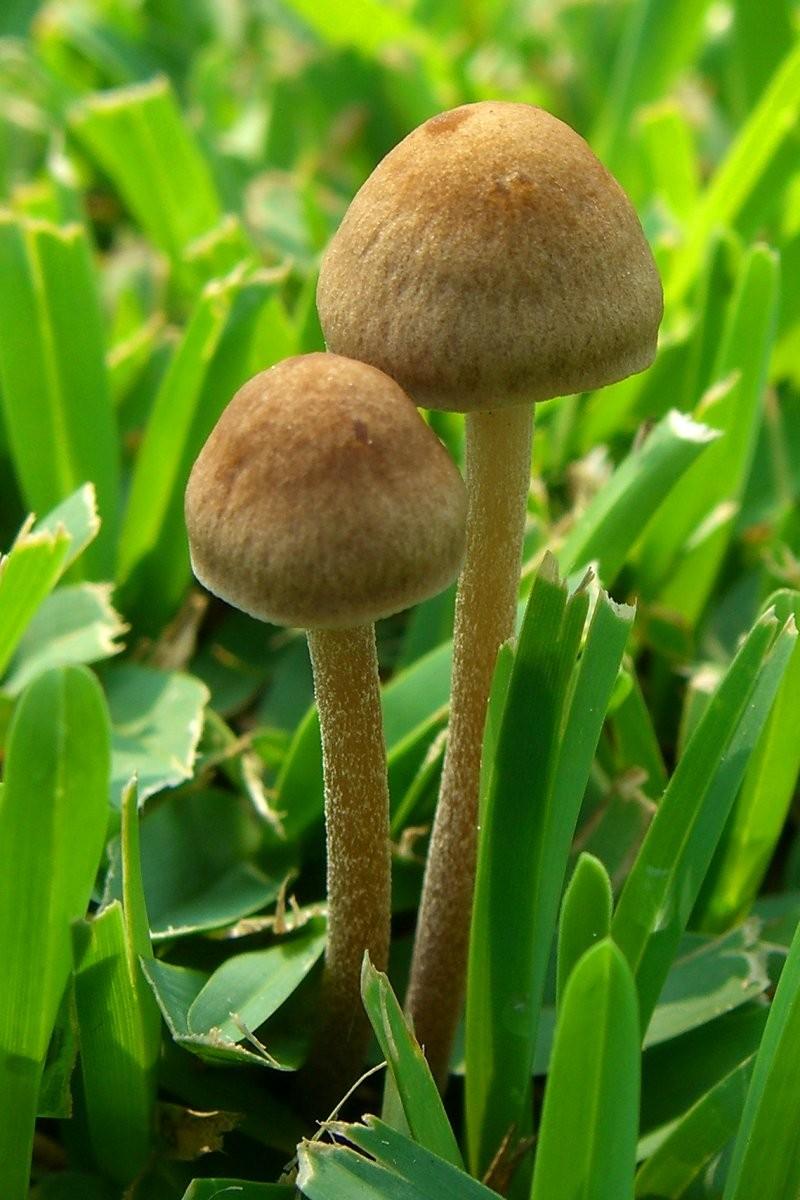
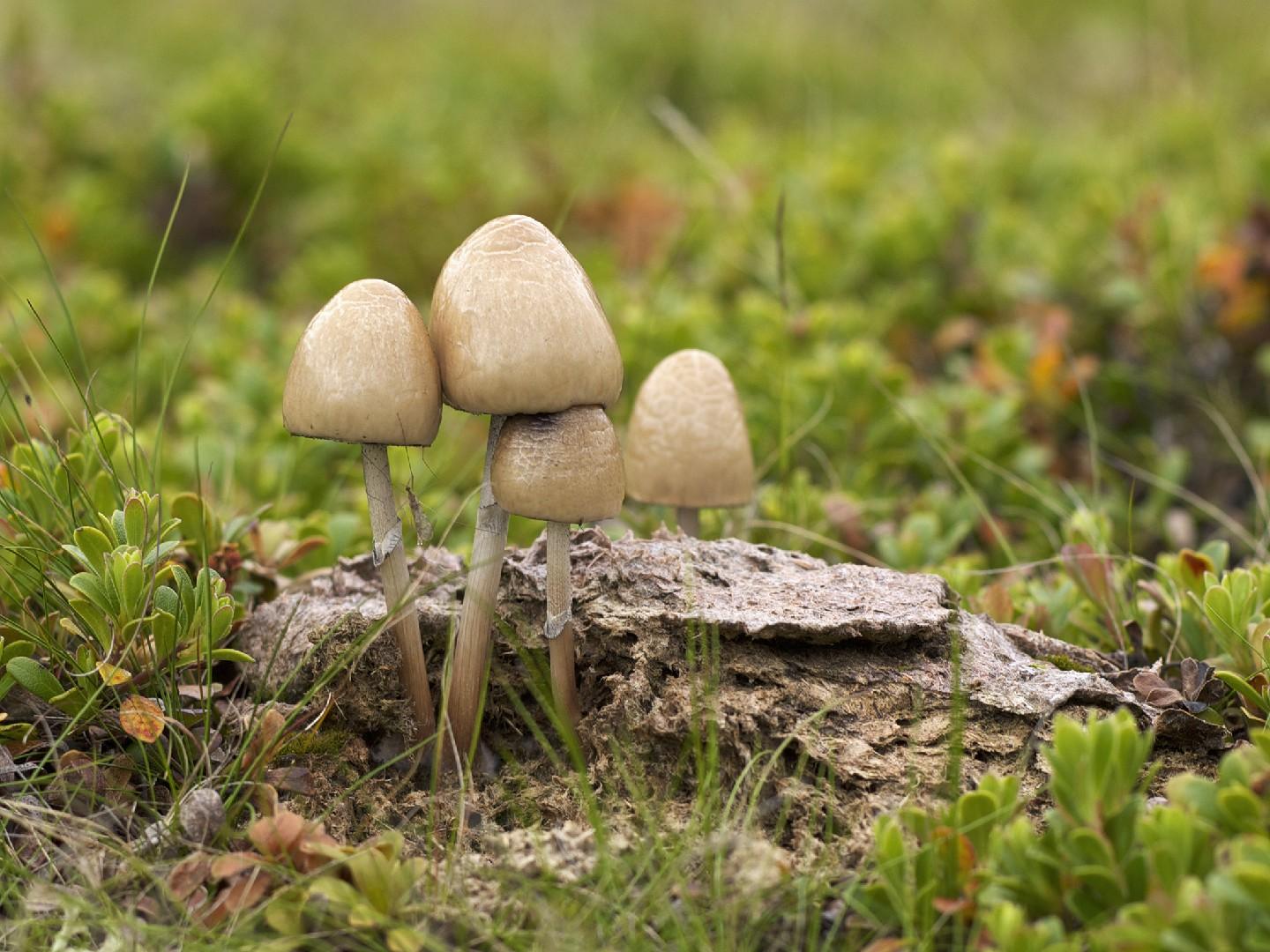
The petticoat mottlegill, a small brown mushroom (LBM), boasts an exceptionally widespread global presence, inhabiting every continent except Antarctica. Despite its unremarkable visual characteristics, it's identifiable by its distinct microhabitat preference: animal waste. This mushroom frequently emerges from cow or horse dung, or it can be observed in open areas abundant with animal manure.
In This Article
Attributes of Petticoat mottlegill
Cap Diameter
2 - 5 cm
Height
6 - 18 cm
Cap
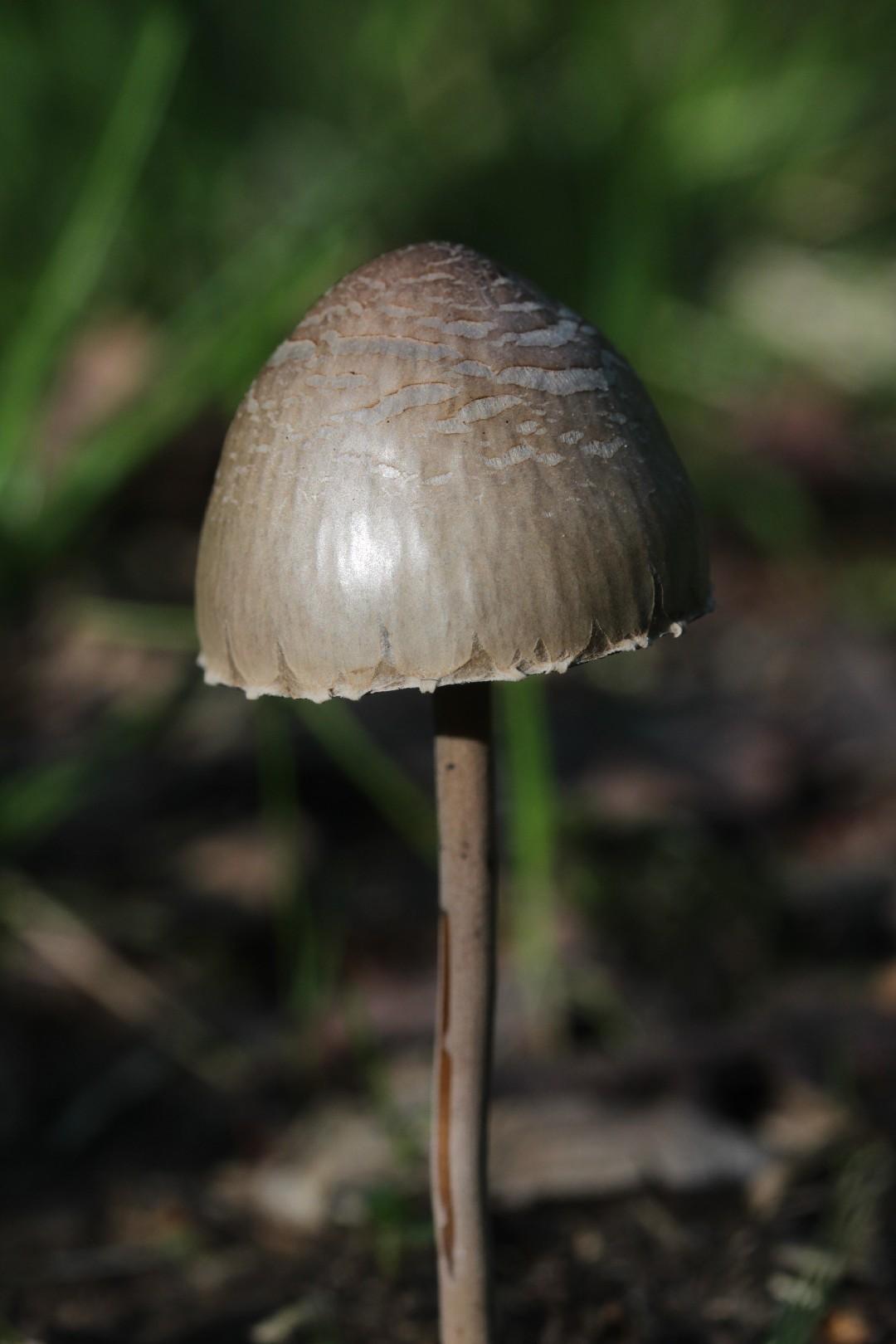
Cap 1 - 5 cm across; obtusely conic to campanulate; grayish brown; with toothlike partial veil fragments
Cap Shape
Bell-shaped
Cap Surfaces
Smooth, Fibrillose-scaly, Visible lines or stripes
Gills
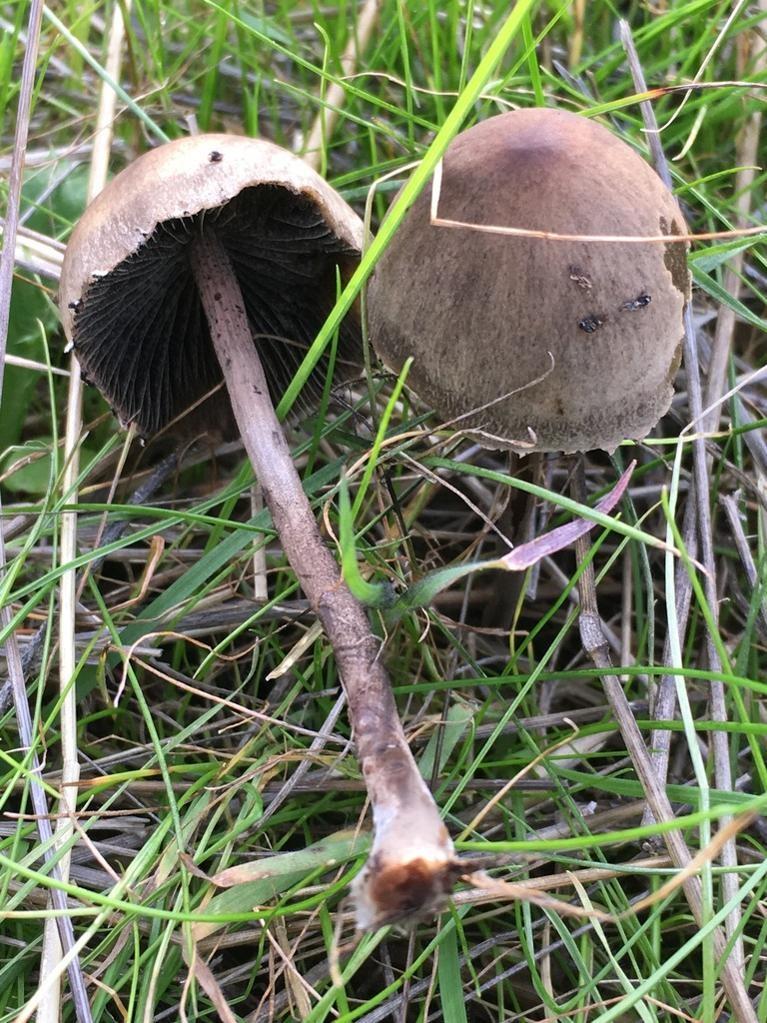
Adnate, adnexed; close, crowded; mottled black
Gill Attachment
Attached
Stem
Stem 4 - 16 cm long, 5 mm thick; gray-brown to reddish brown; brittle, fibrous; surface smooth, with fine whitish particles
Stem Shapes
Cylindrical
Stem Surfaces
Smooth to slightly fibrous
Flesh
Thin; greyish to buff-brown
Ring
Ringless
Spore Print Color
Black
Odor
Faintly mushroom-like, indistinct.
Body Color
BrownRedGray
Flesh Bruises
The flesh or milk does not discolor when bruised or cut.
Growth Form
Solitary, Gregarious
Nutrient Gathering
Saprophytic
Substrate
On animal dung, On soil
You can find Petticoat mottlegill by these plants
Spruces
Occurence Habitats
Meadows
Species Status
Widely distributed
Endangered Species
No
Scientific Classification of Petticoat mottlegill
Phylum
Club fungi
Class
Mushroom-forming fungi
Order
Gilled fungi
Genus
Panaeolus
Toxicity and Edibility of Petticoat mottlegill
Is Petticoat mottlegill Toxic?
Ingesting the mottled petticoat mushroom is dangerous and can cause various adverse effects. Therefore, it's advisable to avoid this particular fungus.