Deer mushroom
Pluteus cervinus
A species of Pluteus. Also known as Deer shield.
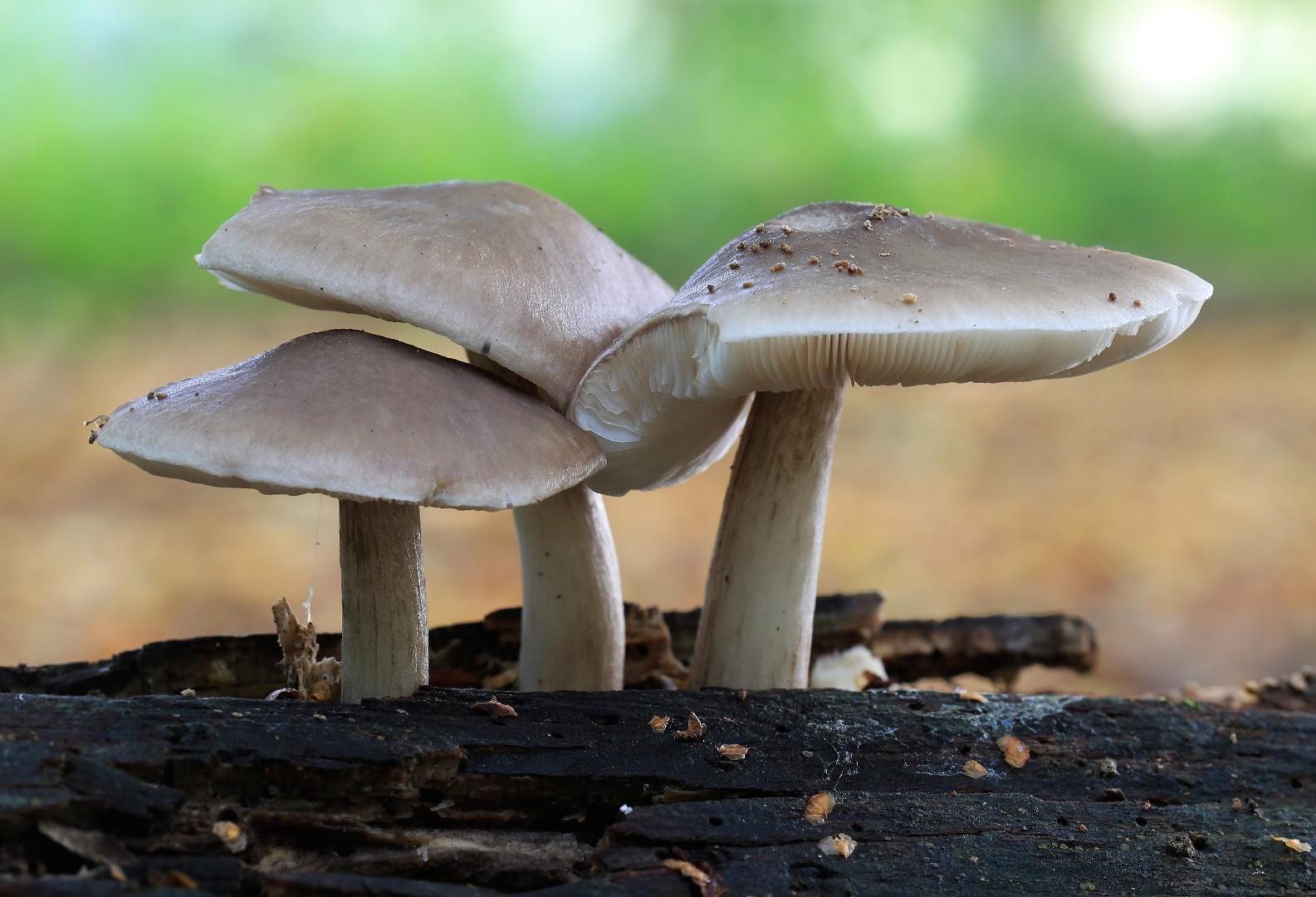
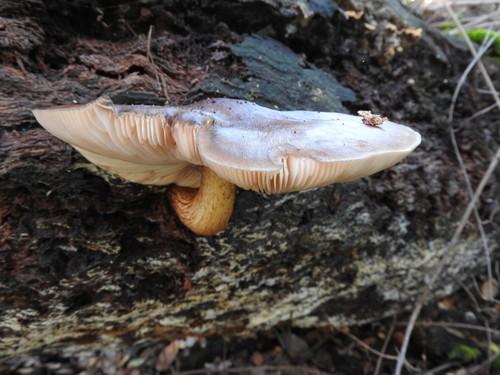
You can spot deer mushrooms emerging from decaying logs, branches, and roots. Although they tend to favor hardwoods, they're not particularly selective. Unlike many other types of mushrooms, their fruiting bodies appear throughout a broad spectrum of seasons. They emit a subtle, radish-like scent.
In This Article
Attributes of Deer mushroom
Cap Diameter
4 - 13 cm
Height
4 - 15 cm
Cap
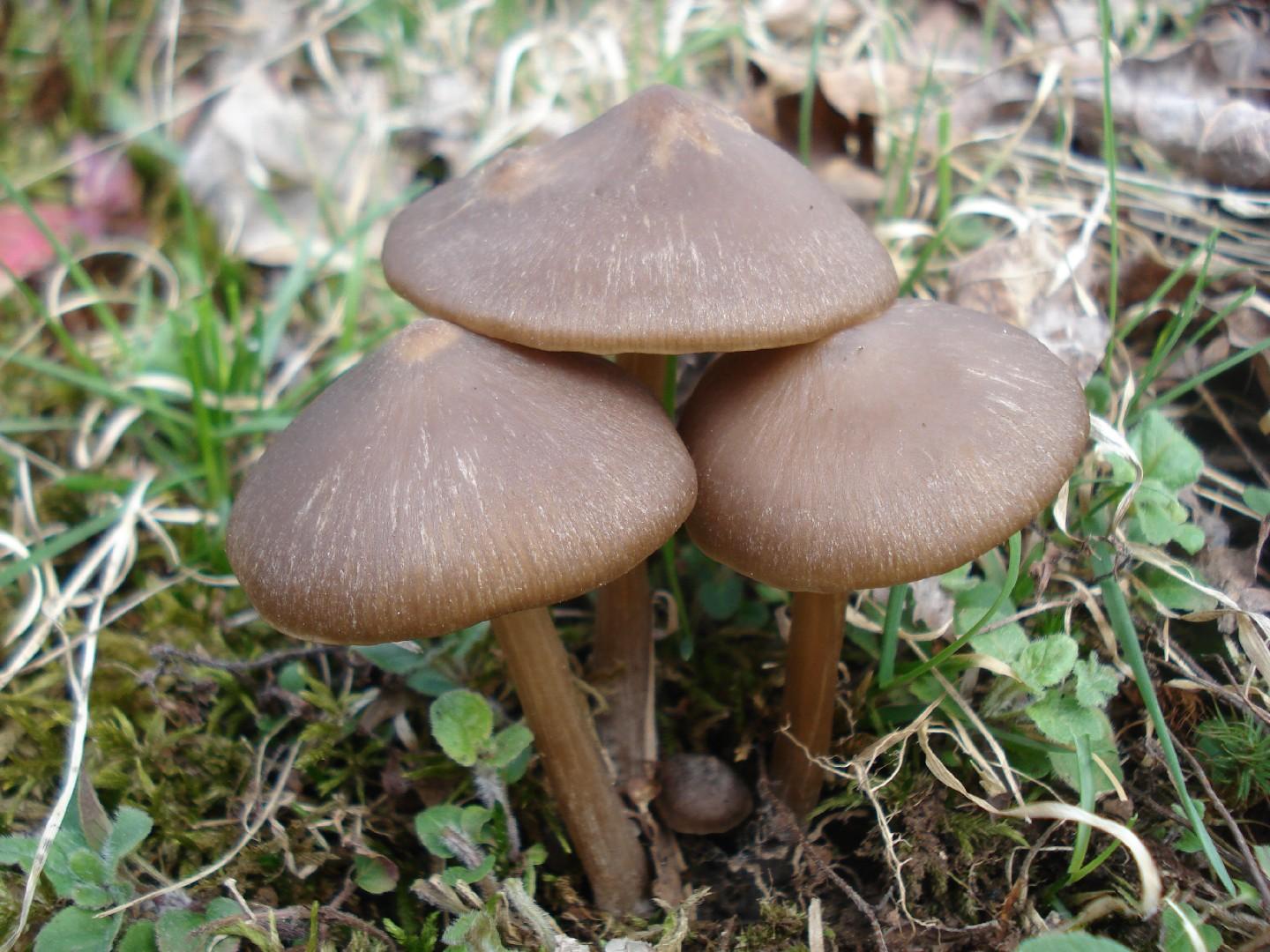
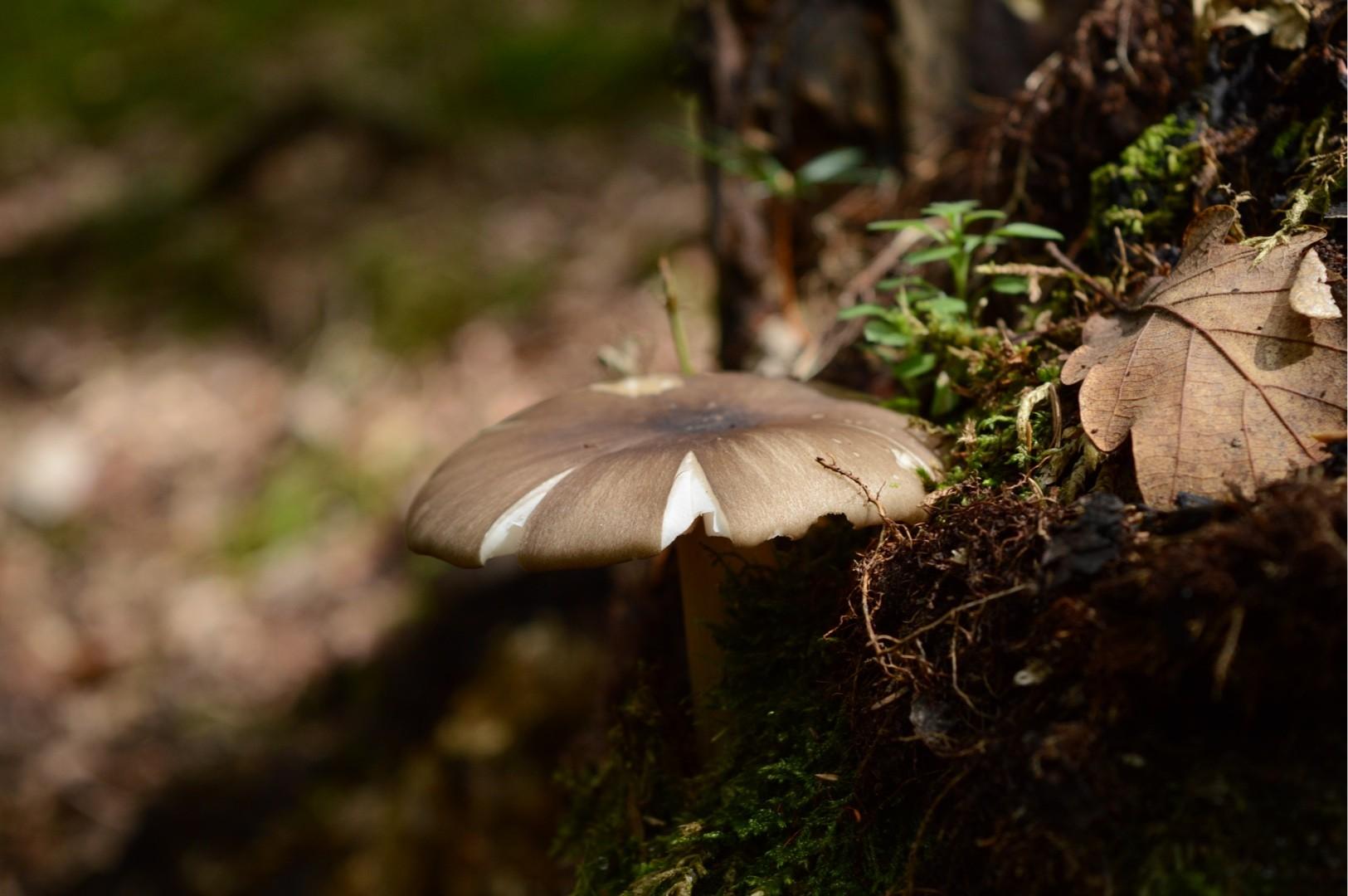
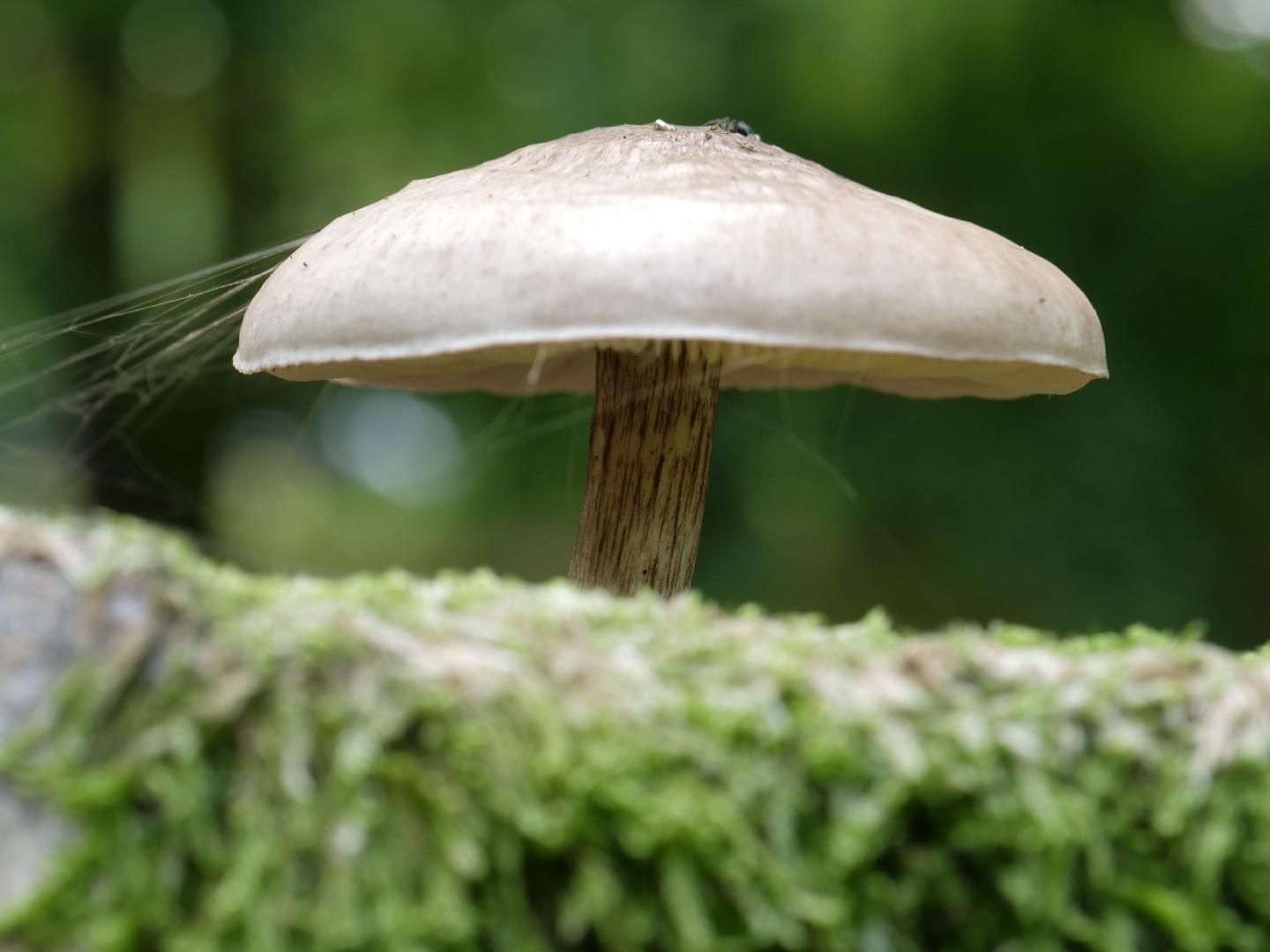
Cap 4.5 - 10 cm; convex to nearly flat; dark to pale brown, brownish at center
Cap Shape
Convex, Flat, Bell-shaped, Central Bump
Cap Surfaces
Smooth, Fibrillose-scaly, Slimy or slightly sticky, Visible lines or stripes
Gills
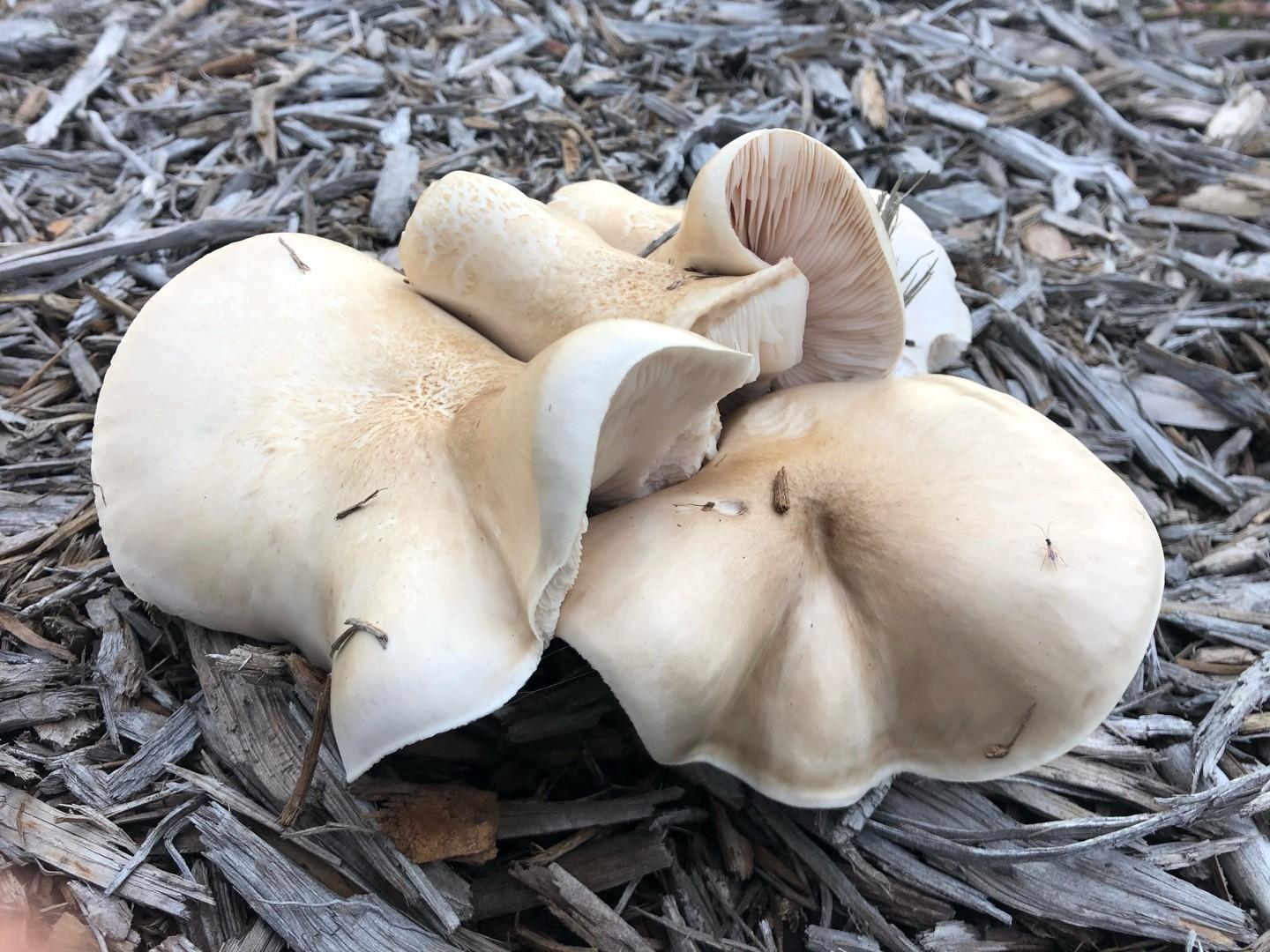
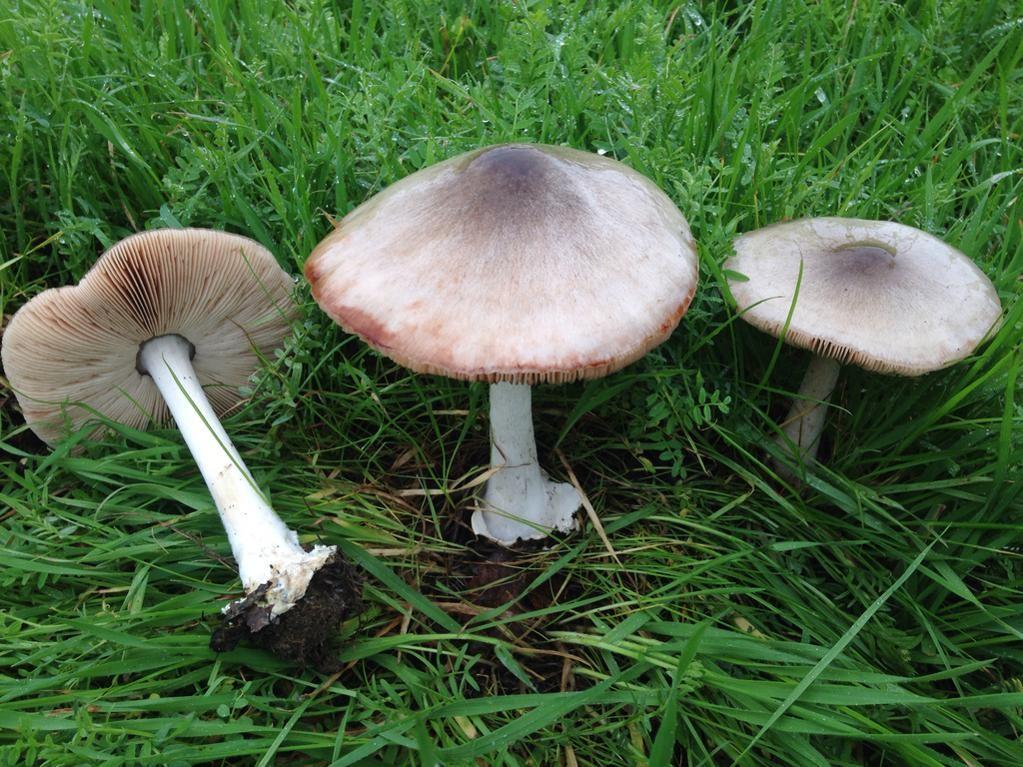
Free; close or crowded; white, pink to deep flesh color
Gill Attachment
Free
Stem
5 - 13 cm long, 5 - 15 mm thick; equal or with an enlarged base; whitish, brownish near the base
Stem Shapes
Cylindrical
Stem Surfaces
Fibrillose
Flesh
Soft; white; unchanging colors when sliced
Ring
Ringless
Spore Print Color
Pale to brownish pink
Odor
Mild, with a hint of radish.
Body Color
BrownBronzeGrayWhite
Flesh Bruises
The flesh or milk does not discolor when bruised or cut.
Growth Form
Solitary, Scattered, Gregarious
Nutrient Gathering
Saprophytic
Substrate
Dead Woods, Wood Chips or Mulch
You can find Deer mushroom by these plants
European beech, Oaks
Occurence Habitats
Deciduous Woodland, Coniferous Woodland
Species Status
Widely distributed and common in much of North America.
Endangered Species
No
Scientific Classification of Deer mushroom
Phylum
Club fungi
Class
Mushroom-forming fungi
Order
Gilled fungi
Family
Pluteaceae mushrooms
Genus
Pluteus
Toxicity and Edibility of Deer mushroom
Is Deer mushroom Toxic?
While not categorized as toxic, the deer mushroom has been reported to induce digestive issues in some individuals after consumption. This could potentially be attributed to its rapid spoilage post-harvest, particularly in warmer conditions. Consequently, it's advisable to refrain from consuming it.