Desert shaggy mane
Podaxis pistillaris
A species of Podaxis.
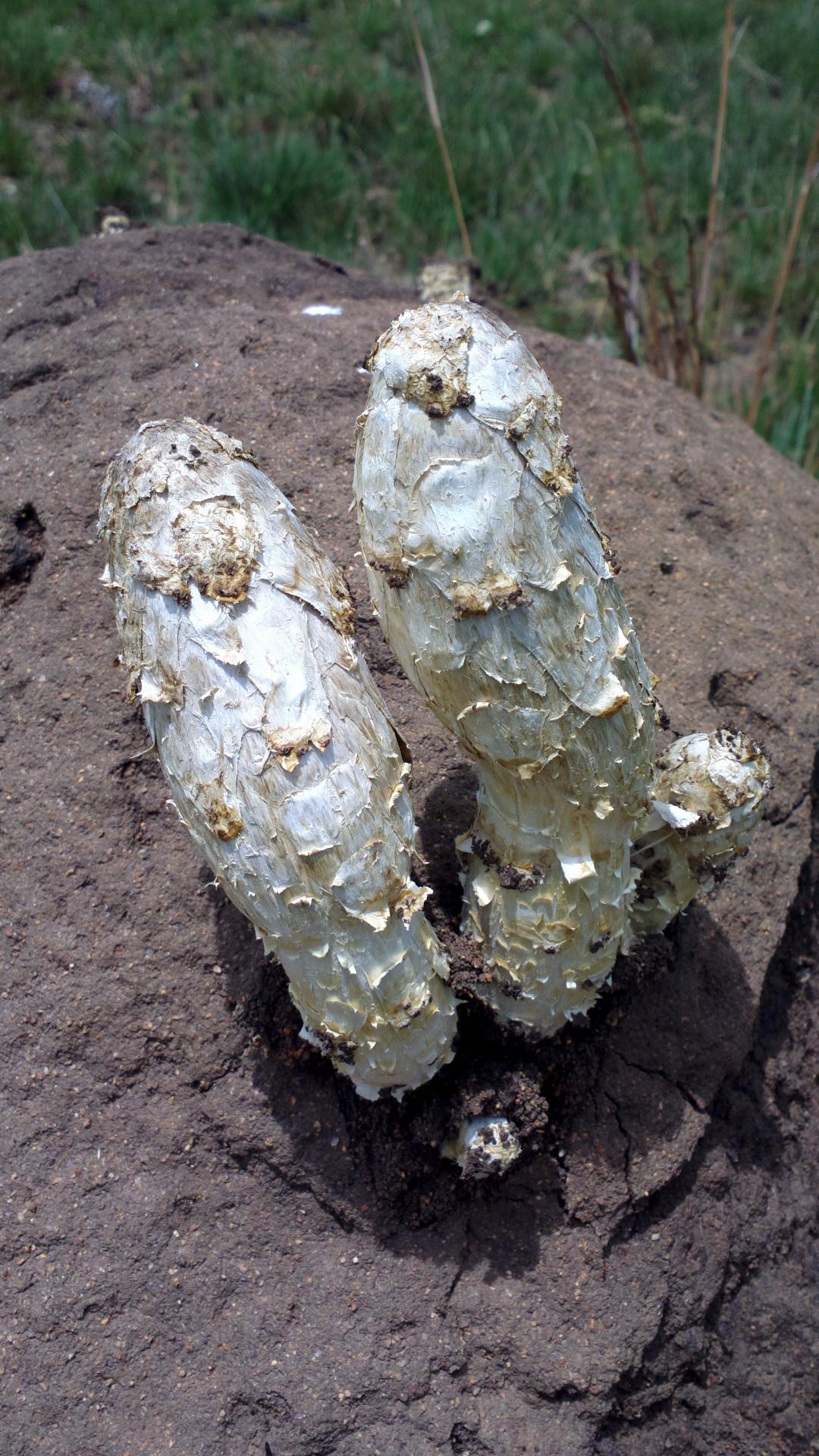
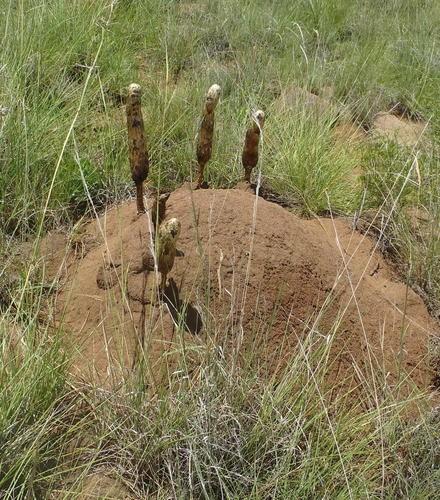
True to its name, the desert shaggy mane (Podaxis pistillaris) emerges under seemingly improbable circumstances, pushing through the hot, arid soil of North American deserts. These fungi are frequently observed coexisting amicably with termite colonies within their mounds. However, the desert shaggy mane is poisonous and unfit for consumption.
In This Article
Attributes of Desert shaggy mane
Cap Diameter
2 - 4 cm
Height
5 - 15 cm
Cap
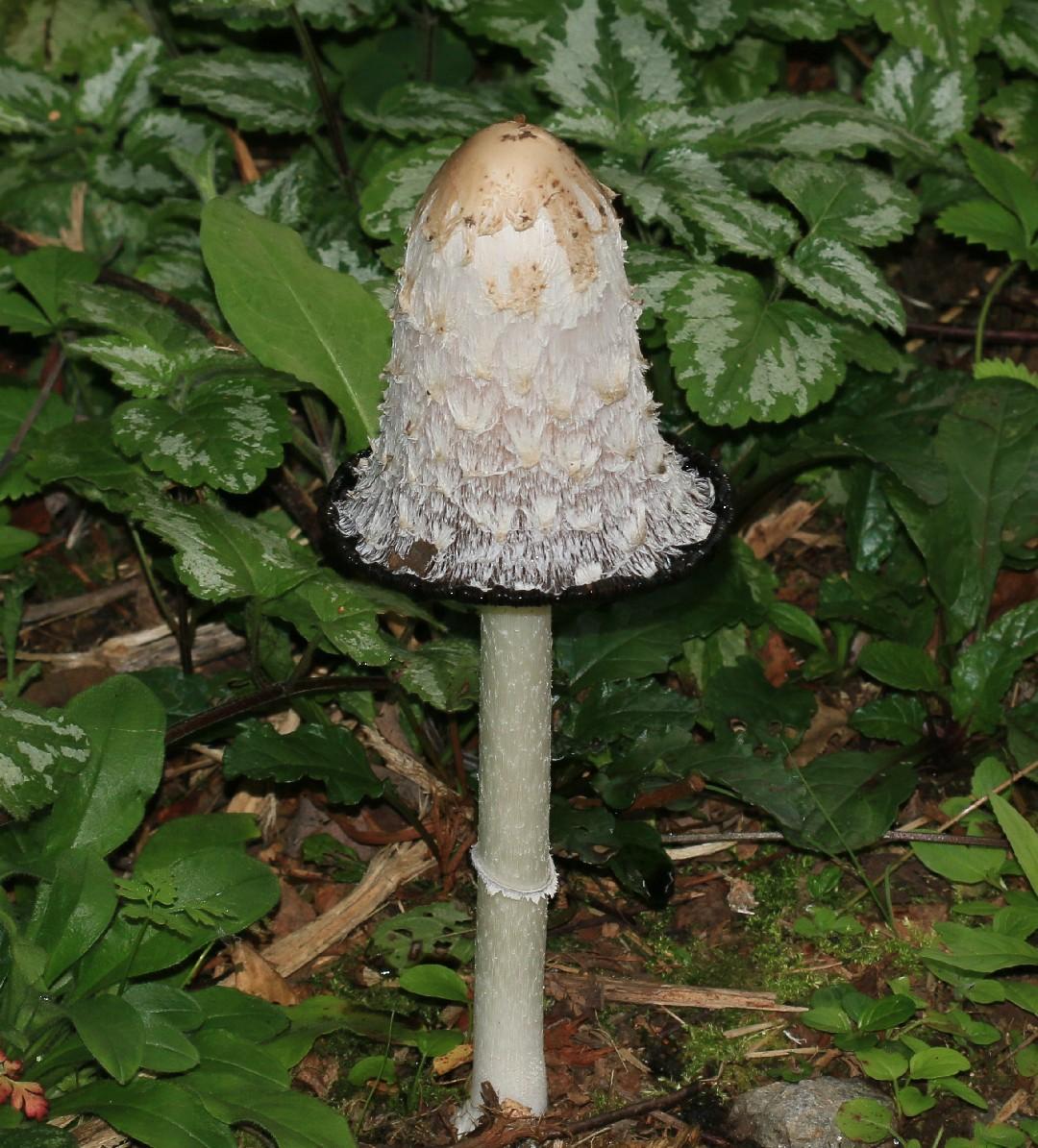
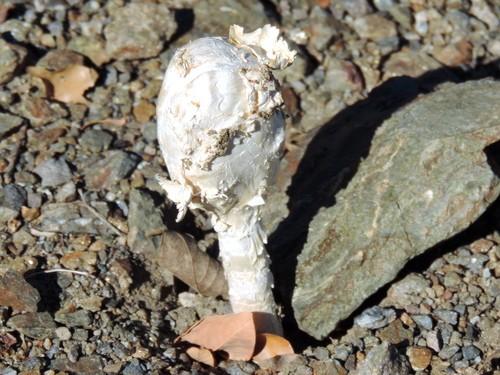
Cap 4 - 8 cm high and 2 - 4 cm across; oval when young, cylindric; white, pale brownish; shaggy to scaly, dry
Cap Surfaces
Fibrillose-scaly
Stem
4 - 10 cm long; up to 1 cm thick; equal above a base, extremely tough; whitish to brownish
Stem Shapes
Cylindrical
Stem Surfaces
Fibrillose
Flesh
Tough; whitish
Ring
Ringless
Spore Print Color
Very dark brown, nearly black
Odor
Mildly mushroomy but not distinctive.
Body Color
BrownWhite
Growth Form
Solitary, Scattered
Nutrient Gathering
Saprophytic
Substrate
On soil
Occurence Habitats
Disturbed Lands
Species Status
Fairly common in the deserts of the southwest and California
Endangered Species
No
Scientific Classification of Desert shaggy mane
Phylum
Club fungi
Class
Mushroom-forming fungi
Order
Gilled fungi
Family
Agaricaceae
Genus
Podaxis
Toxicity and Edibility of Desert shaggy mane
Is Desert shaggy mane Toxic?
Toxicity information is not available for this mushroom. Always consult with an expert before consuming any wild mushrooms.