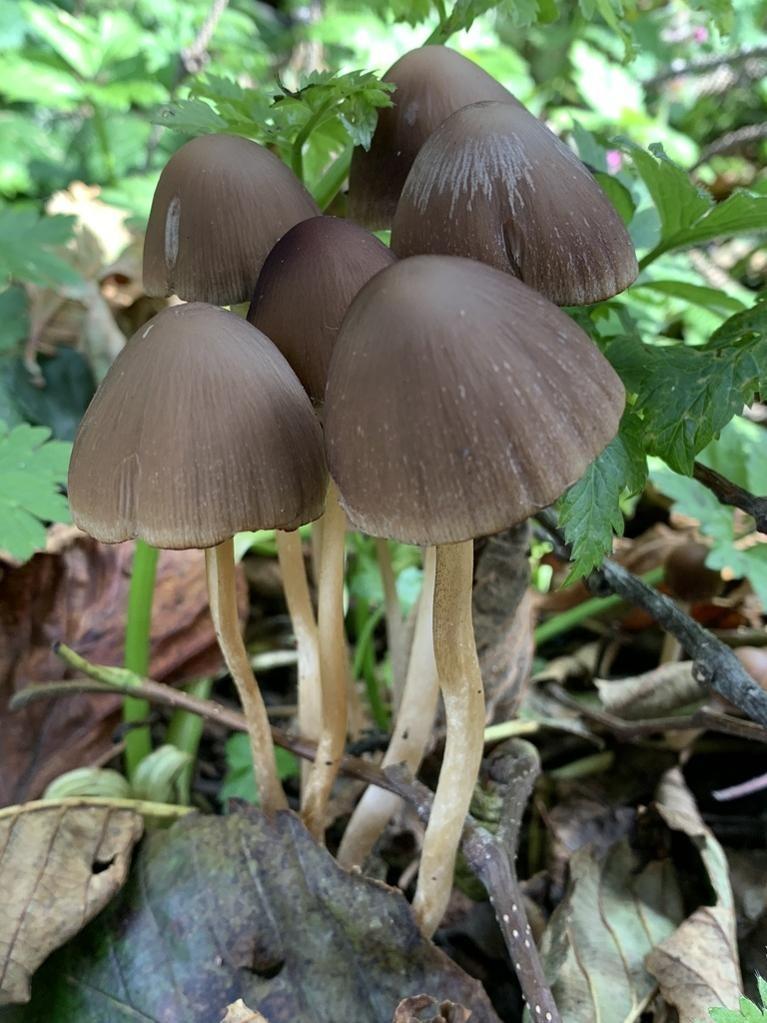
Red edge brittlestem
Psathyrella corrugis
A species of Brittlestems.
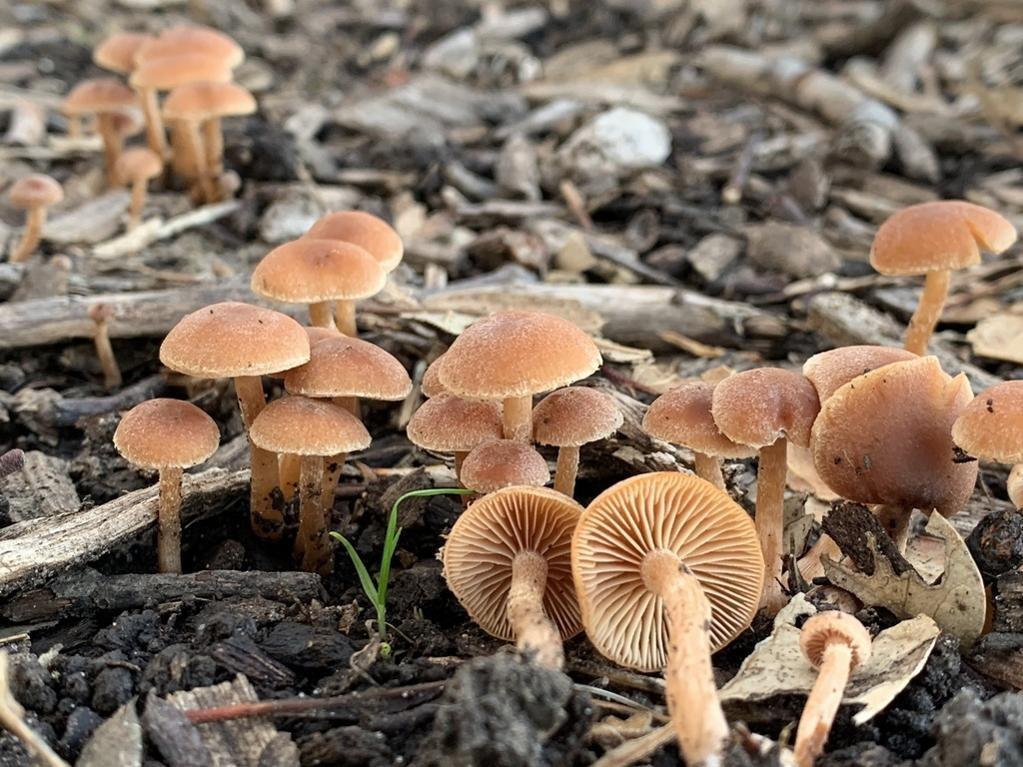
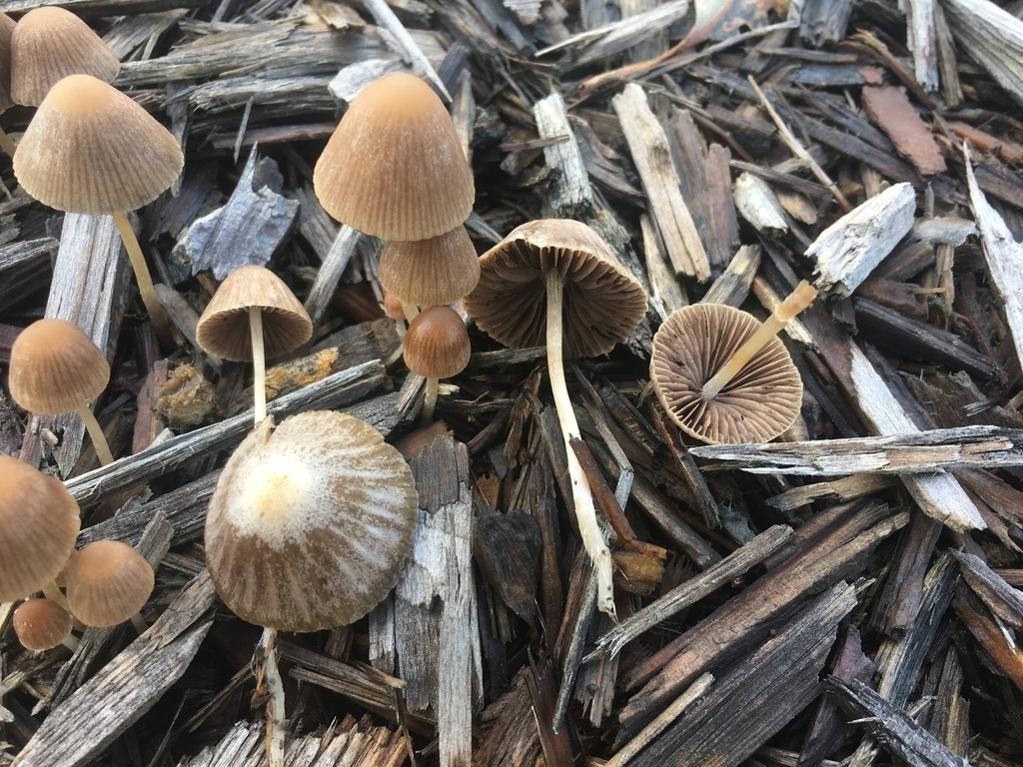
Clustered on the forest floor within North America and Europe's wooded regions, the red edge brittlestem thrives. While most frequently observed from late autumn through early winter, these fungi can also emerge during other times of the year. Following rainfall, red edge brittlestems are additionally prone to appearing in mulch and wood chip environments.
In This Article
Attributes of Red edge brittlestem
Cap Diameter
1 - 4 cm
Height
4 - 8 cm
Cap
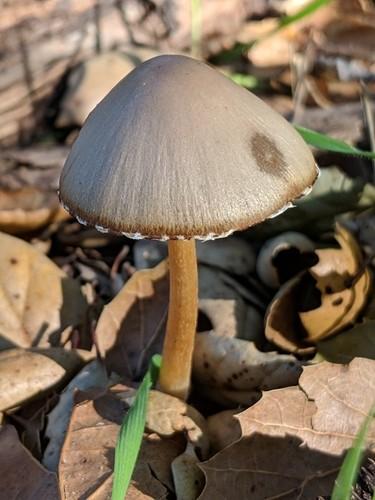
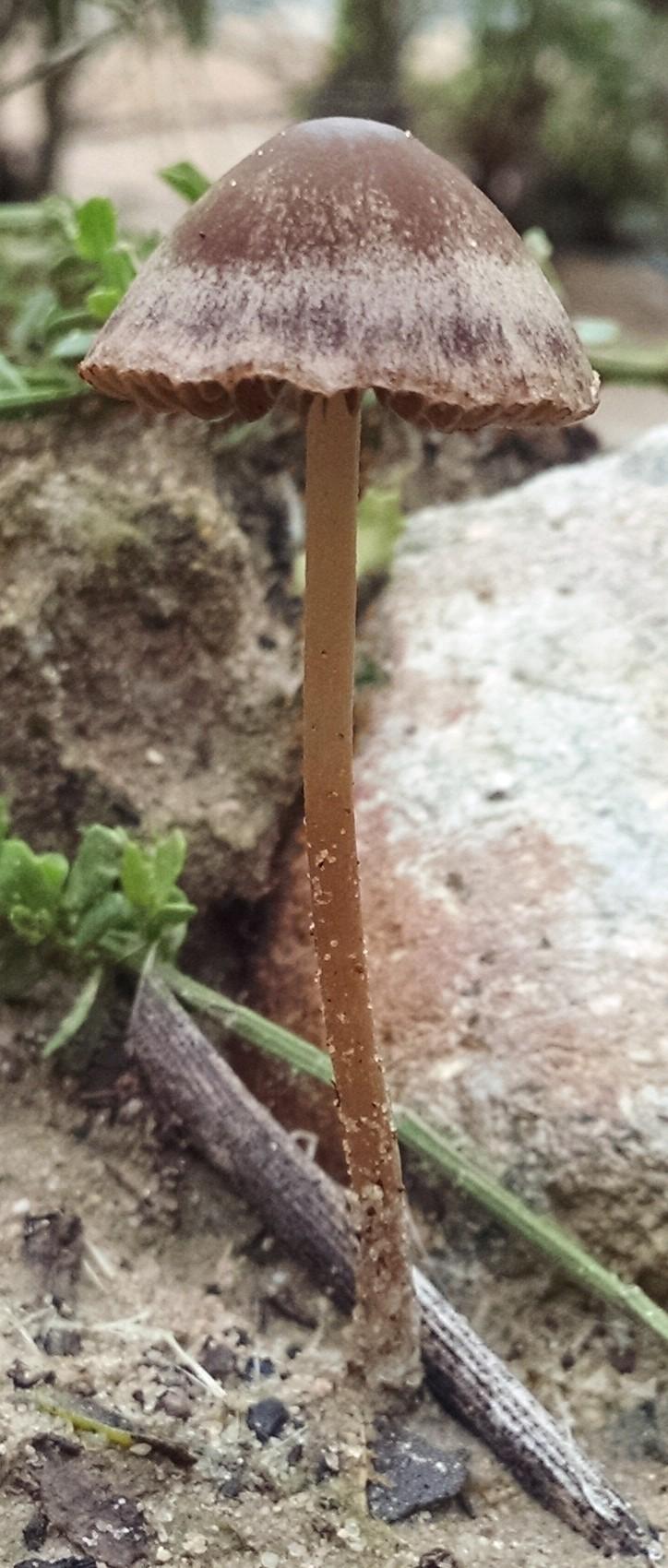
1 - 4 cm wide; bell-shaped to flat; ochraceous brown; finely serrated margin
Cap Shape
Convex, Bell-shaped, Central Bump
Cap Surfaces
Visible lines or stripes
Gills
Adnexed; close to crowded; pale dingy-buff to brownish-grey
Gill Attachment
Attached
Stem
4 - 12 cm tall, 1 - 3 mm wide; whitish
Stem Shapes
Cylindrical
Stem Surfaces
Smooth
Flesh
Very fine, 1 - 2 mm at most; whitish
Ring
Ringless
Spore Print Color
Purple-brown
Odor
Mildly earthy, not distinct.
Body Color
BrownRedGrayPink
Flesh Bruises
The flesh or milk does not discolor when bruised or cut.
Growth Form
Gregarious
Nutrient Gathering
Saprophytic
Substrate
On soil, Wood Chips or Mulch, Leaf or Needle Litter
You can find Red edge brittlestem by these plants
Oaks, Lindens
Occurence Habitats
Disturbed Lands, Meadows
Species Status
Common
Endangered Species
No
Scientific Classification of Red edge brittlestem
Phylum
Club fungi
Class
Mushroom-forming fungi
Order
Gilled fungi
Family
Coprinaceae
Genus
Brittlestems
Toxicity and Edibility of Red edge brittlestem
Is Red edge brittlestem Toxic?
Toxicity information is not available for this mushroom. Always consult with an expert before consuming any wild mushrooms.