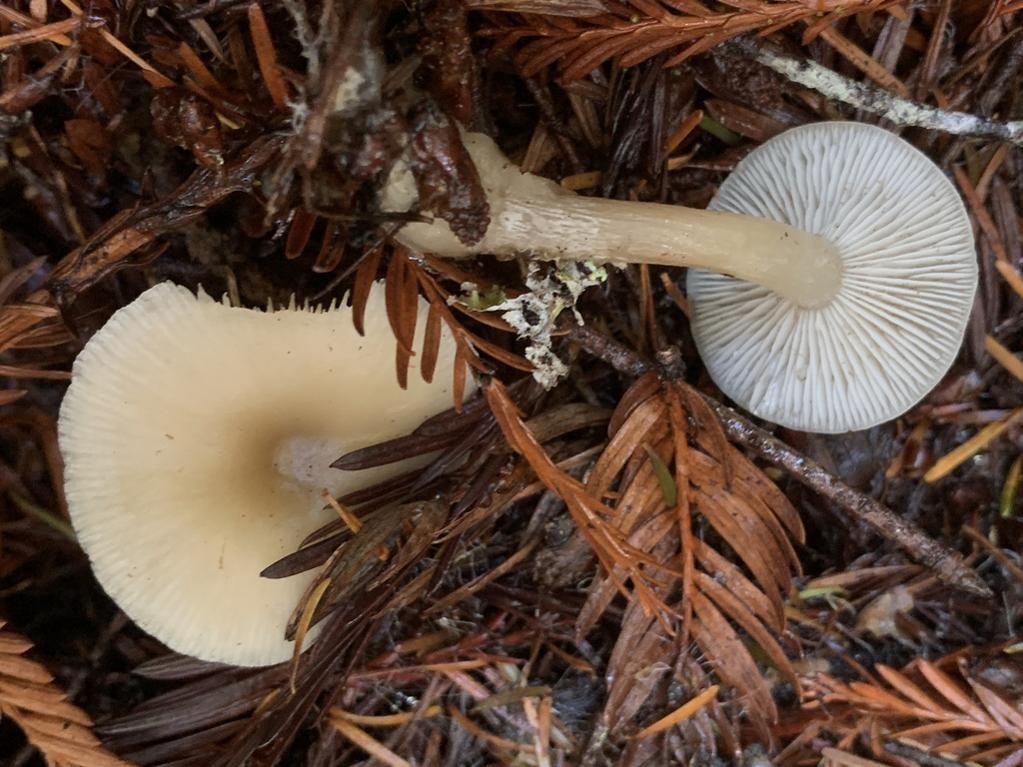
Buttery collybia
Rhodocollybia butyracea
A species of Rhodocollybia.
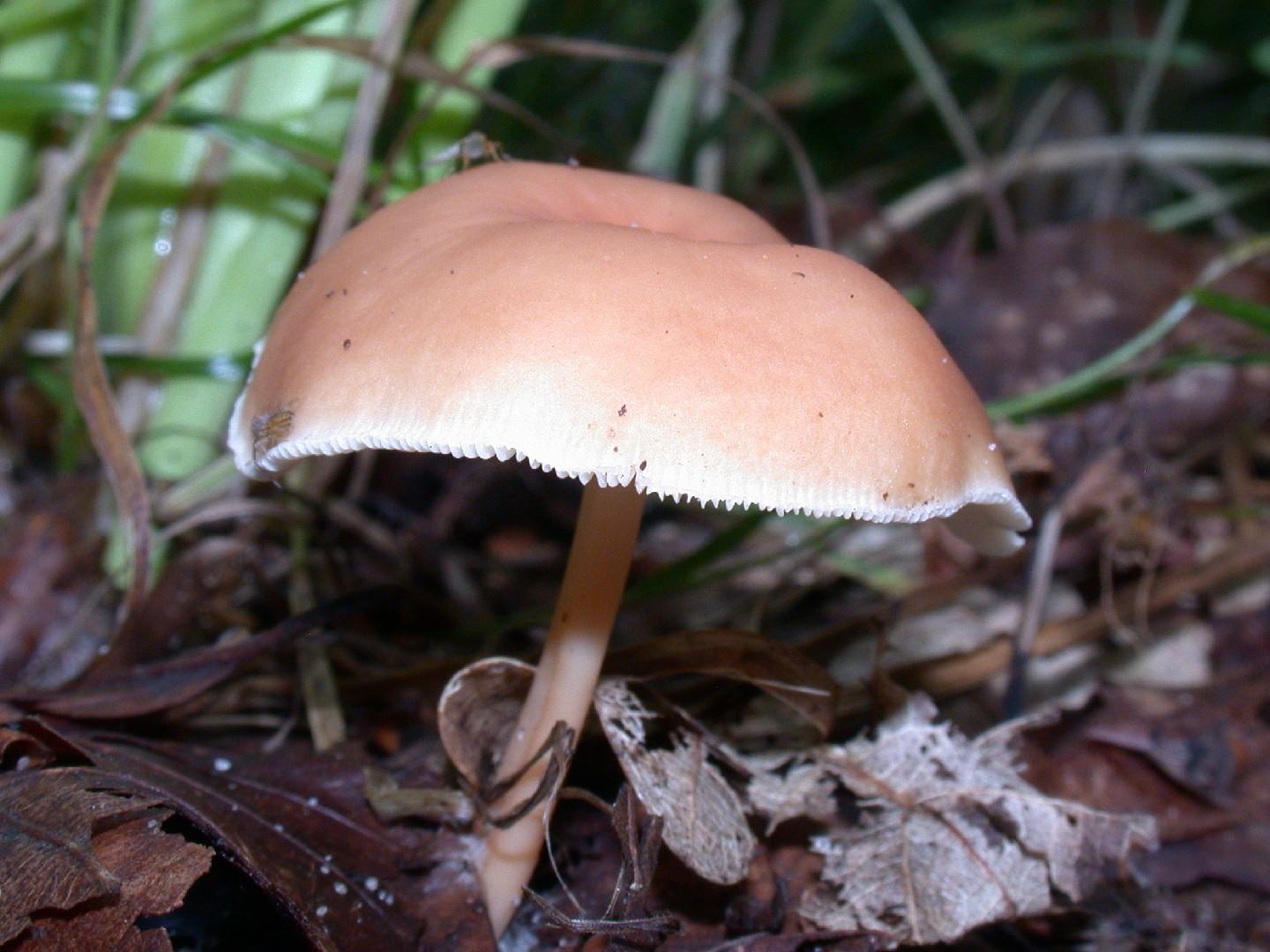
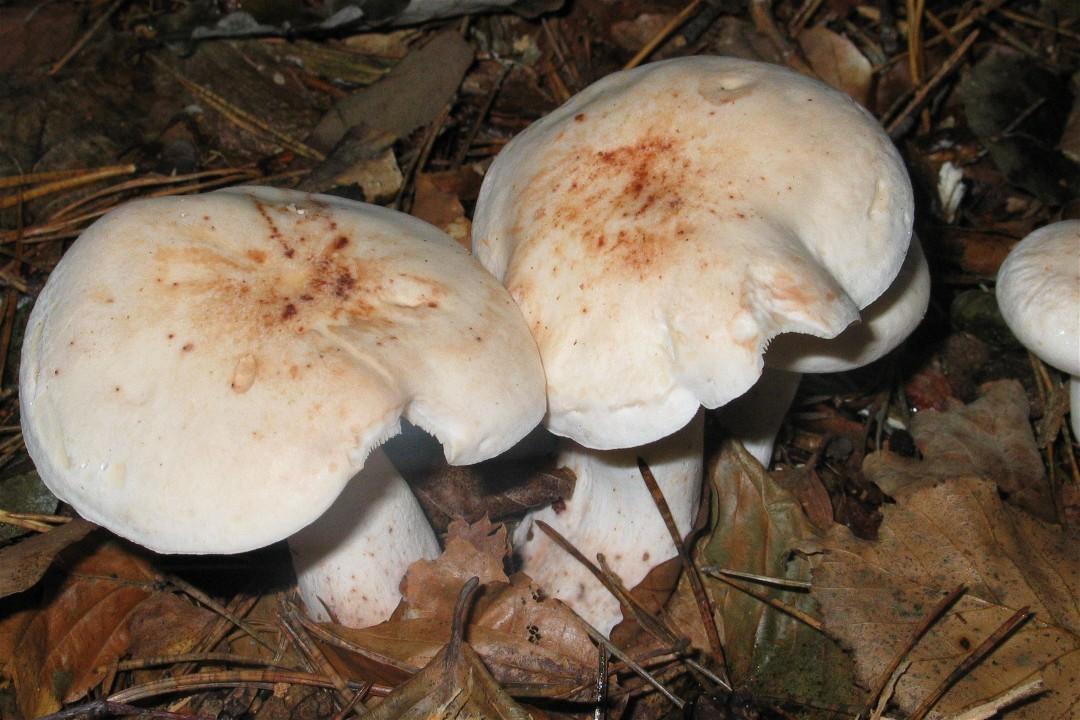
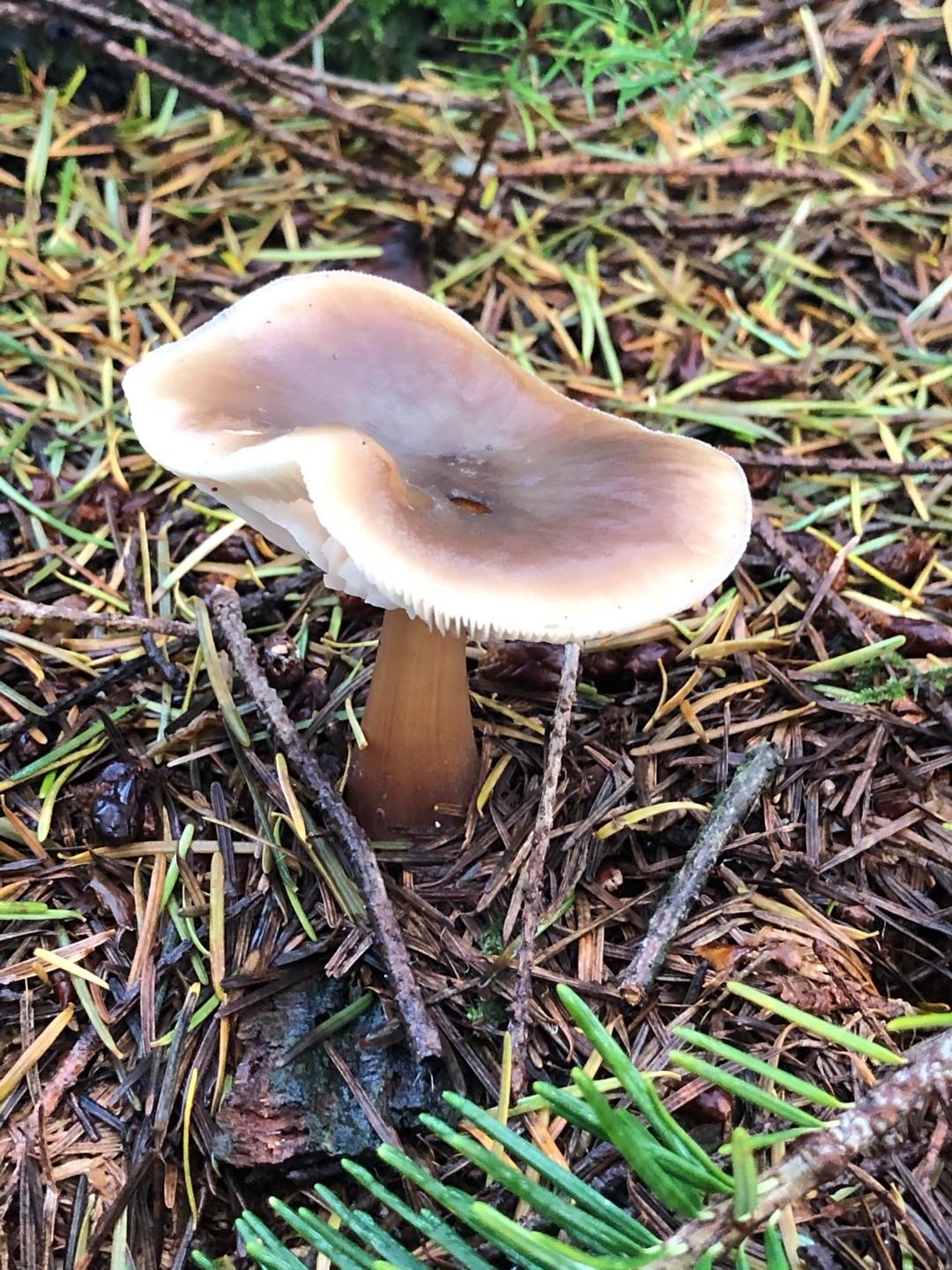
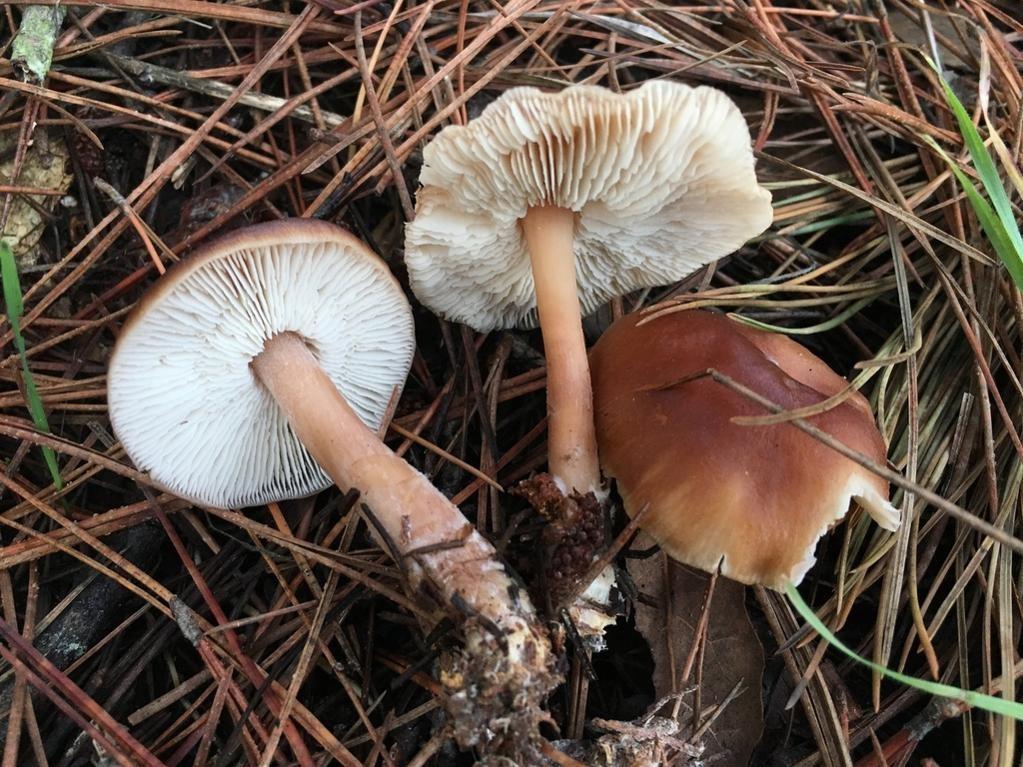
Mainly found on the forest floor in coniferous regions, buttery collybia mushrooms are prevalent across Europe and North America, from summer through winter. Its buttery moniker doesn't refer to its taste, but rather the oily feel of its exterior. The genus name incorporates rhodo, signifying pink, which alludes to the color of its undersurface gills.
In This Article
Attributes of Buttery collybia
Cap Diameter
4 - 9 cm
Height
4 - 10 cm
Cap
Cap 2 - 6 cm across; convex to flat to shallowly umbonate; yellow-brown, gray-brown, red-brown, gray-buff; surface smooth
Cap Shape
Convex, Flat, Central Bump
Cap Surfaces
Smooth, Slimy or slightly sticky
Gills
Attached, free; close; whitish
Gill Attachment
Free to Attached
Stem
Stem 3 - 8 cm long, 1 - 2 cm thick; yellow-brown, gray-brown, red-brown, gray-buff; surface smooth
Stem Shapes
Cylindrical
Stem Surfaces
Smooth
Flesh
Whitish; unchanging
Ring
Ringless
Spore Print Color
Pale pinkish cream-buff
Odor
Mildly mushroomy but not distinctive.
Body Color
BrownYellowRedWhite
Flesh Bruises
The flesh or milk does not discolor when bruised or cut.
Growth Form
Solitary, Gregarious, Scattered
Nutrient Gathering
Saprophytic
Substrate
On soil, Leaf or Needle Litter
You can find Buttery collybia by these plants
Spruces, Firs
Occurence Habitats
Coniferous Woodland, Deciduous Woodland
Species Status
Widely distributed
Endangered Species
No
Scientific Classification of Buttery collybia
Phylum
Club fungi
Class
Mushroom-forming fungi
Order
Gilled fungi
Family
Marasmiaceae
Genus
Rhodocollybia
Toxicity and Edibility of Buttery collybia
Is Buttery collybia Toxic?
Toxicity information is not available for this mushroom. Always consult with an expert before consuming any wild mushrooms.