Bitter bolete
Tylopilus felleus
A species of Tylopilus.
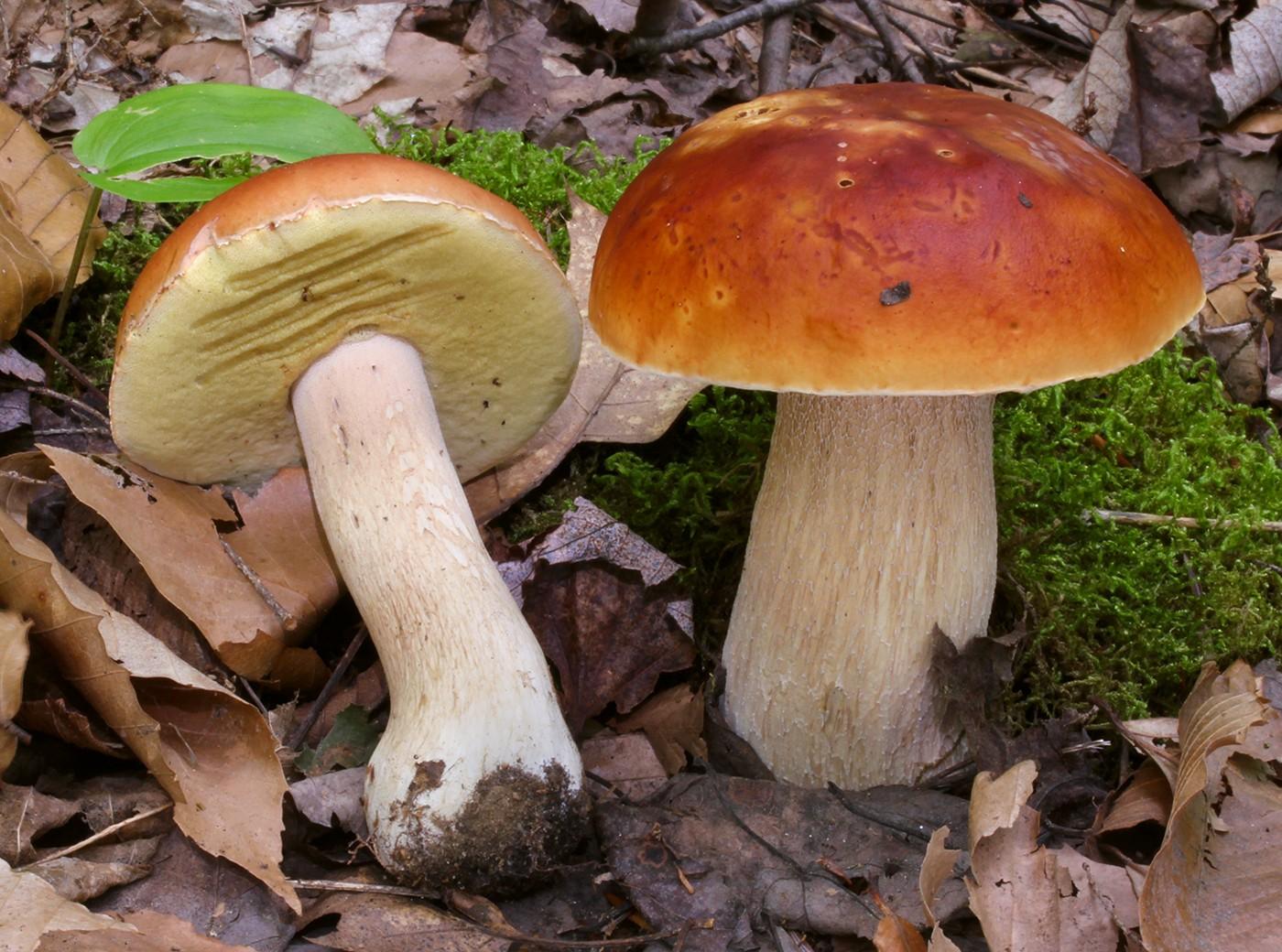
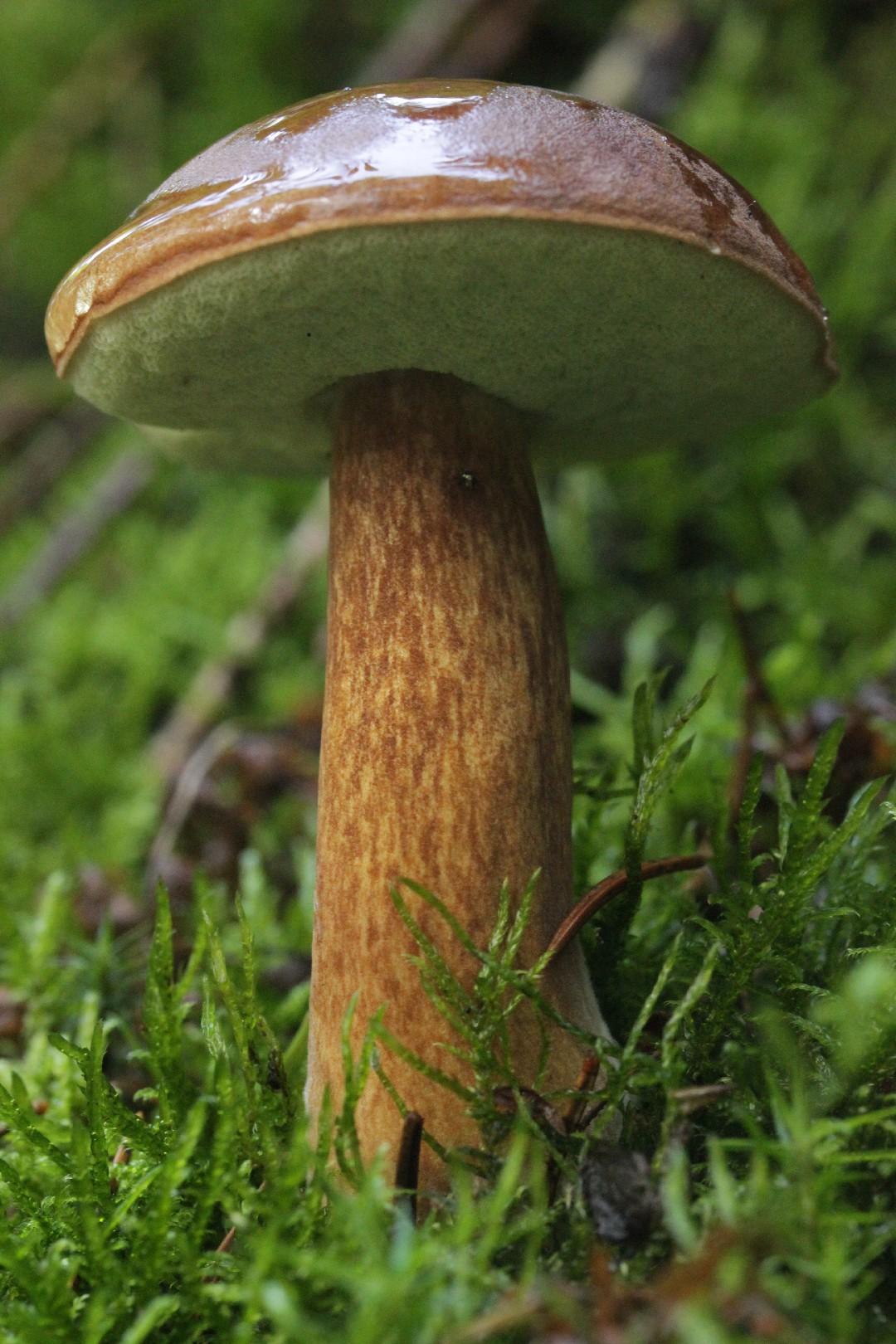
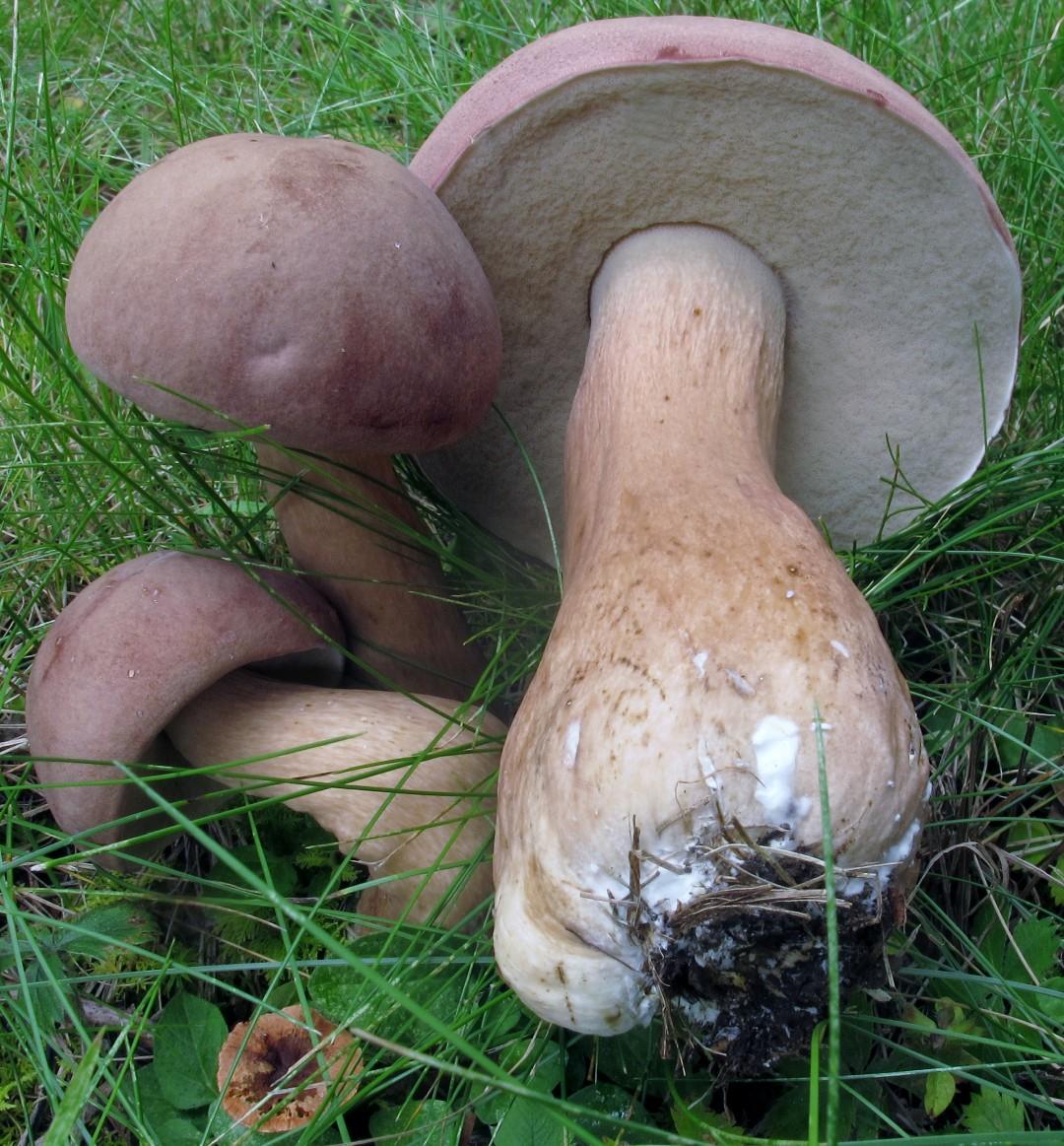
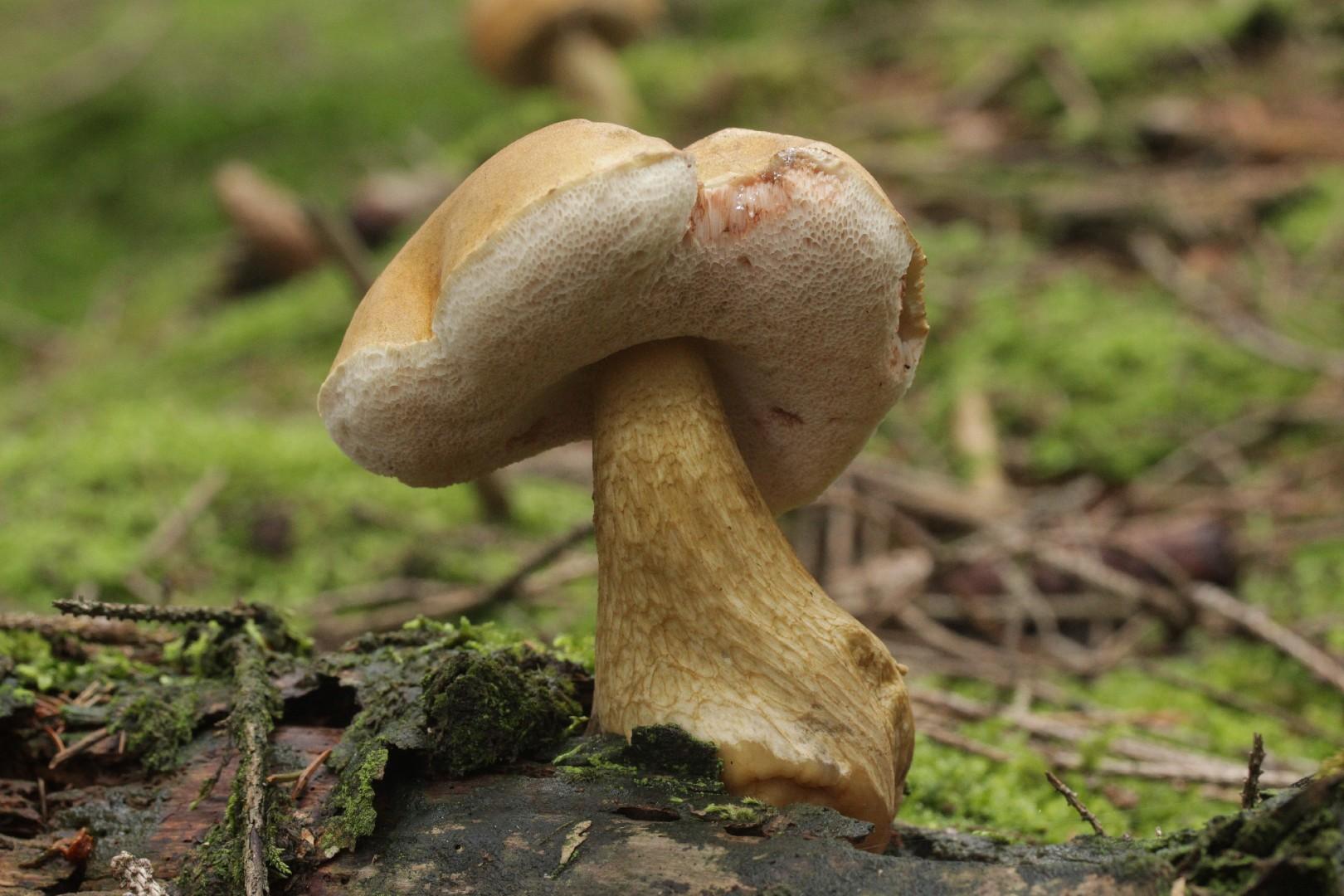
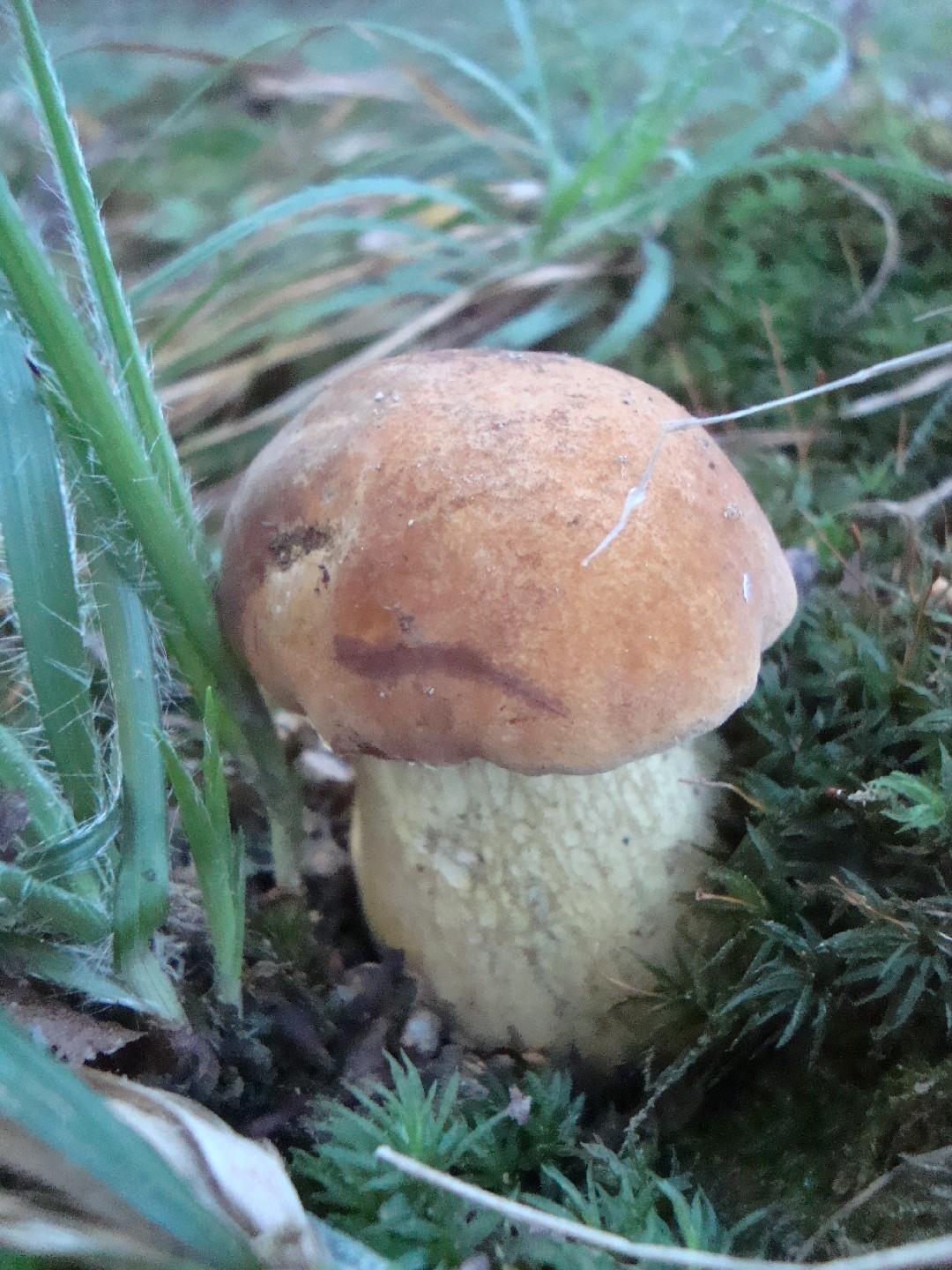
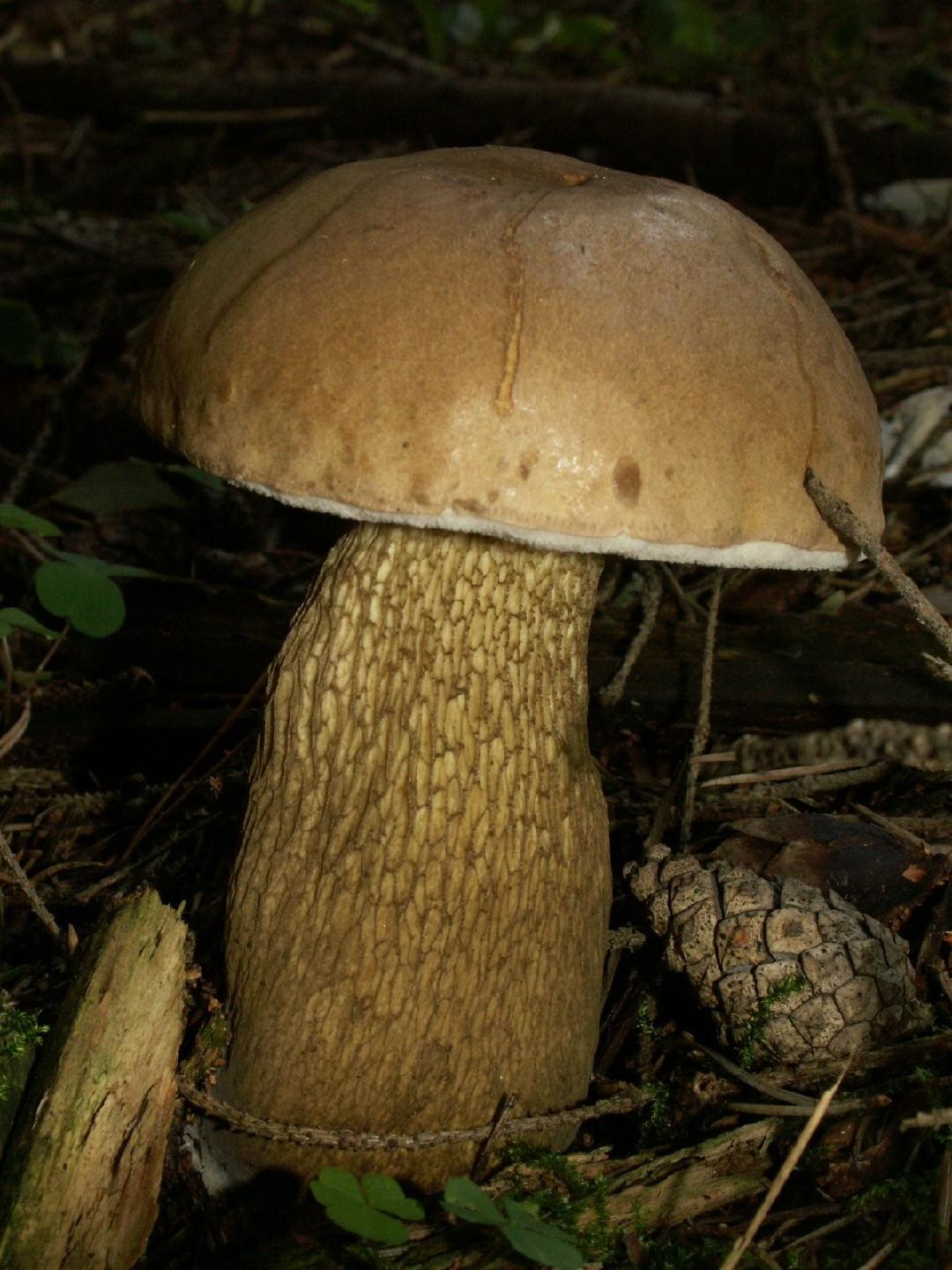
Tylopilus felleus, commonly known as the bitter bolete, has a broad distribution spanning Asia, Europe, and North America. It typically thrives in shaded environments within diverse deciduous and coniferous woodlands. While its inherent bitterness makes it unsuitable for consumption, it poses no toxic threat—a fortunate fact for enthusiastic foragers who might confuse it with other, more palatable species.
In This Article
Attributes of Bitter bolete
Cap Diameter
5 - 18 cm
Height
5 - 12 cm
Cap
Cap 5 - 13 cm; convex, nearly flat; brown to tan; smooth
Cap Shape
Convex, Flat
Cap Surfaces
Velvety, Smooth
Stem
Stem 4 - 10 cm long, 1.5 - 4 cm thick; club-shaped; whitish, pale brownish, pale brown, tan
Stem Shapes
Club Shaped
Stem Surfaces
With Reticulum
Flesh
Thick; soft; white; unchanging when sliced, sometimes slightly pinkish
Ring
Ringless
Spore Print Color
Pinkish clay
Odor
Mildly mushroomy but not distinctive.
Body Color
BrownBronzeWhite
Flesh Bruises
Discolor to pink or red
Growth Form
Solitary, Scattered, Gregarious
Nutrient Gathering
Mycorrhizal
Substrate
On soil
You can find Bitter bolete by these plants
Pitch pine, Spruces, Pines
Occurence Habitats
Coniferous Woodland, Deciduous Woodland
Species Status
Widely distributed east of the Rocky Mountains
Endangered Species
No
Scientific Classification of Bitter bolete
Phylum
Club fungi
Class
Mushroom-forming fungi
Order
Boletes and allies
Family
Boletes
Genus
Tylopilus
Toxicity and Edibility of Bitter bolete
Is Bitter bolete Toxic?
Toxicity information is not available for this mushroom. Always consult with an expert before consuming any wild mushrooms.