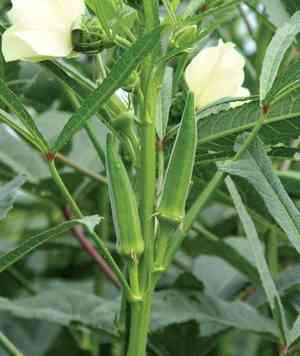
Okra (Abelmoschus esculentus)
Also known as: Ochro, Bamia
Okra, known scientifically as Abelmoschus esculentus, is a nutrient-rich vegetable packed with folate, vitamins, and antioxidants. Originally from Ethiopia, it is now widely cultivated across the globe. Common ways to prepare okra include frying, sautéing, stewing, grilling, and pickling. These methods enhance its flavor and texture while making the most of its health benefits.
In This Article
Attributes of Okra
Lifespan
Annual
Plant Type
Herb
Plant Height
1 m to 2 m
Spread
90 cm to 1.5 m
Leaf Color
Green
Flower Size
5 cm to 7 cm
Flower Color
Yellow White
Images of Okra
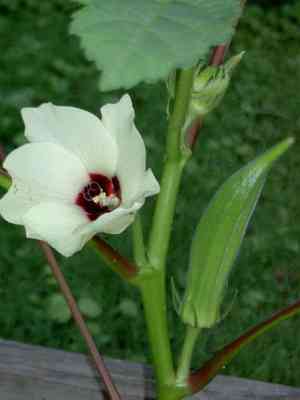
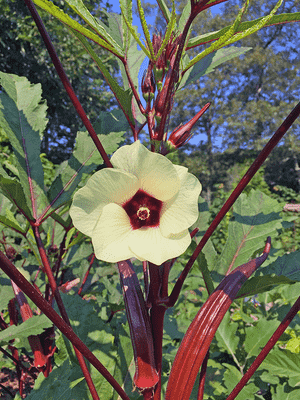
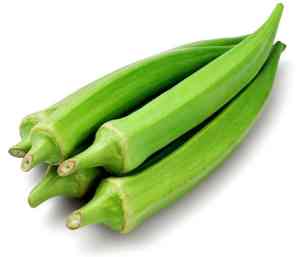
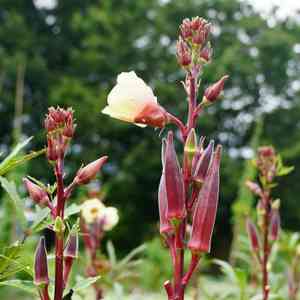
Quickly Identify Okra
1
Heart-shaped leaves
2
Hibiscus-like yellow flowers with purple centers
3
Five-sided fruit with fuzzy green exterior
4
Palmately lobed leaves with velvety texture
5
Round succulent stem with smooth texture
Scientific Classification of Okra
Phylum
Vascular plants
Class
Dicotyledons
Order
Mallows, rock-roses, and allies
Family
Mallow
Genus
Abelmoschus
Species
Okra
Planting and Growing of Okra
Care Difficulty
Easy
Watering Schedule
Every 12 days
Sunlight Requirements
Full sun
Sunshine Duration
4-8 hours
Ideal Temperature
75-95℉
Soil Type
Potting Mix, Peat Mix
Soil pH
6.5-7.5
Fertilizer Type
Balanced
Pruning Season
Spring, Summer
Pruning Area
Branches, Leaves
Pruning Frequency
2 times a year
Repotting Season
Spring
Pot Type
Plastic, Ceramic
 How to Water Okra?
For Abelmoschus esculentus, it's essential to water deeply enough so the soil remains consistently moist but not waterlogged. Ensure about 500ml of water reaches the roots, adjusting slightly according to soil moisture and ambient temperature.
More About Watering Techniques→
What are the symptoms of an underwatered Okra?
›
What should I do if my Okra is not getting enough water?
›
What are the symptoms of an overwatered Okra?
›
How to save an overwatered Okra?
›
 What Are the Sunlight Requirements for Okra?
Abelmoschus esculentus thrives in full sun conditions. Ideal light ensures effective photosynthesis and promotes lush growth, leading to better crop yield and healthier plants.
More About Sunlight Requirements Techniques→
How much sunlight does Abelmoschus esculentus need?
›
What if my location doesn't offer full sun exposure?
›
Can an indoor environment meet its sunlight needs?
›
 What Is the Ideal Temperature Range for Okra?
The ideal temperature range for growing Abelmoschus esculentus, commonly known as okra, is between 75°F and 95°F. Okra thrives in warm climates and performs best with sufficient heat during the growth season. This temperature ensures robust growth and better crop yield, allowing okra plants to produce abundant fruits during the peak season.
 What Soil is Best for Okra?
Abelmoschus esculentus thrives in nutrient-rich soil that provides essential minerals. This ensures robust growth and higher yields, as the plant can absorb nutrients efficiently for photosynthesis and development. The soil should have excellent drainage to prevent root rot. Well-draining soil helps maintain an optimal water balance, reducing stress on the plant and promoting healthy root systems. While drainage is essential, the soil should also retain enough moisture to keep the plant hydrated. Proper moisture retention aids in sustaining plant vitality during drier periods.
More About Soil→
 How to Fertilize Okra?
Abelmoschus esculentus, commonly known as okra, requires a balanced application of nutrients. Generally, for liquid fertilizer, use a water-soluble 10-10-10 NPK formula, diluted to half strength if applied twice a month, ensuring not to exceed 200 ml per plant each application.
More About Fertilizing Techniques→
 How to Prune Okra?
Begin by sterilizing your pruning shears to prevent disease. Identify dead or diseased stems and cut them back to the base. Remove any low-hanging branches to boost airflow around the plant. Trim back any overgrown sections to encourage bushier growth. Make clean cuts close to the node without damaging the main stem to enhance recovery and new growth.
More About Pruning Techniques→
 How to Propagate Okra plant?
1
Fill the seed tray with high-quality potting soil, making sure it's moistened but not waterlogged. Ensure it's evenly spread.
2
Distribute Abelmoschus esculentus seeds over the soil surface, then lightly cover them with a thin layer of soil.
3
Keep the soil consistently damp by misting it daily, ensuring the seeds do not dry out, which could hinder germination.
 How to Repot Okra plant?
1
Abelmoschus esculentus, or okra, shows signs of needing repotting when its roots begin to emerge from the drainage holes or when the growth rate significantly slows down. These are indications that the plant has outgrown its current pot and needs more space to flourish. Repotting during its active growing seasons, spring and summer, ensures that the plant can adapt to the new environment and maximize its growth potential.
2
Choosing the right pot for repotting Abelmoschus esculentus is crucial. Opt for a pot that is 1-2 inches larger in diameter than the current one. This provides the roots with ample room to expand without excessively increasing the soil volume, which can retain too much moisture and lead to root rot. A pot with adequate drainage holes is essential to ensure proper water flow.
3
Selecting the appropriate soil is fundamental for okra. A well-draining, loamy soil rich in organic matter is ideal. This type of soil retains enough moisture for the plant, while allowing excess water to drain away, preventing waterlogging. The organic content ensures a steady supply of nutrients, supporting healthy growth and productivity.
Learn More About Okra Diseases
Anthracnose
Bacterial Leaf Spot
Bacterial Soft Rot
Bacterial Wilt
Chemical Injury
Damping-off
Downy Mildew
Drought Stress
Fusarium Wilt
Gray Mold
Leaf Curl
Leaf Spot
Mosaic
Nutrient Deficiency
Nutrient Toxicity
Powdery Mildew
Root Rot
Root-knot Nematode
Rusts
Sooty Mold
Spider Mites
Temperature Stress
Thrips Damage
White Mold



