Grand Fir (Abies grandis)
Also known as: Lowland White Fir, Western White Fir, Oregon Fir
The Grand Fir (Abies grandis), native to the Pacific Northwest, is a versatile evergreen tree. Its wood is commonly used in construction and for making paper. The tree's pleasant, citrus-like fragrance and attractive shape make it a favorite for Christmas trees. Additionally, it plays a crucial role in providing habitat and food for various wildlife species. The tallest recorded Grand Fir in the wild reaches an impressive height of 81 meters.
In This Article
Attributes of Grand Fir
Lifespan
Perennial
Plant Type
Tree
Plant Height
30 m to 76 m
Spread
8 m
Leaf Color
Green
Flower Size
3 cm
Flower Color
Yellow Green
Images of Grand Fir
Quickly Identify Grand Fir
1
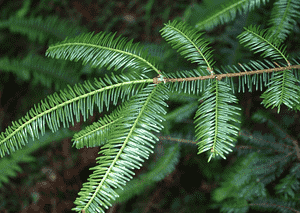
Needles are flat with a groove, dark green, 1-2 inches (2.5-5 cm) long.
2
Cones are pendulous, elongated, 4-6 inches (10-15 cm) long.
3
Leaves are glossy dark green, flattened, with two green-white bands of stomata.
4
Smooth, light brown stem with opposite twigs and uniform branching.
5
Bark evolves from gray to brown, revealing reddish periderm, with distinctive furrows and ridges.
Scientific Classification of Grand Fir
Phylum
Vascular plants
Class
Conifers
Order
Pines and allies
Family
Pine
Genus
Firs
Species
Grand Fir
Planting and Growing of Grand Fir
Care Difficulty
Easy
Watering Schedule
Every 2 days
Sunlight Requirements
Full sun
Sunshine Duration
4-8 hours
Ideal Temperature
50-65℉
Soil Type
Potting Mix, Peat Mix
Soil pH
5-7
Fertilizer Type
Balanced
Pruning Season
Spring, Summer
Pruning Area
Branches, Leaves
Pruning Frequency
Once a year
Repotting Season
Spring
Pot Type
Plastic, Terracotta
 How to Water Grand Fir?
When watering Abies grandis, aim to deliver about 1000 milliliters at a time. This amount ensures that the soil is sufficiently moistened without becoming waterlogged, as excess water can harm its roots. Ensure that the water reaches deep into the soil, allowing the roots to absorb it fully.
What are the symptoms of an underwatered Grand Fir?
›
What should I do if my Grand Fir is not getting enough water?
›
What are the symptoms of an overwatered Grand Fir?
›
How to save an overwatered Grand Fir?
›
 What Are the Sunlight Requirements for Grand Fir?
Abies grandis thrives in environments providing full sun to partial sun, allowing the plant to perform optimal photosynthesis. This balance fosters sturdy growth, rich color, and improves the tree's overall health.
More About Sunlight Requirements Techniques→
How much light does Abies grandis need?
›
What's the best light management practice?
›
What are the benefits of ideal light exposure?
›
 What Is the Ideal Temperature Range for Grand Fir?
Abies grandis, commonly known as Grand Fir, thrives best in a temperature range of 50°F to 65°F. Maintaining this range ensures healthy growth and vitality. This temperature range mimics its natural habitat, providing a conducive environment for photosynthesis and nutrient absorption.
 What Soil is Best for Grand Fir?
Abies grandis thrives best in well-drained soils that allow excess water to flow away, preventing root rot and promoting a healthy root system. Ensuring the soil is loose and breathable supports vibrant growth. This species requires soil that is abundant in organic matter, providing essential nutrients that boost its immune system and aid in robust growth and resilience against pests. Though it likes well-drained conditions, Abies grandis also prefers soil that retains adequate moisture to keep roots consistently hydrated. This balance helps the plant maintain vitality throughout dry spells.
 How to Fertilize Grand Fir?
Abies grandis, commonly known as the grand fir, prefers a balanced fertilizer mix. During the active growing season, apply liquid or slow-release fertilizer containing nitrogen, phosphorus, and potassium. Follow the recommended application rates on the product packaging to ensure the trees receive adequate nutrients without risking over-fertilization.
 How to Prune Grand Fir?
Begin by identifying dead, damaged, or diseased branches. These should be your first targets for removal to prevent any potential harm to the tree's health. Make clean cuts at a 45-degree angle about half an inch above a bud. This will promote good healing and new growth. Be cautious not to cut too close to the trunk. Focus on creating a balanced form and removing overly crowded branches. Aim for a natural shape by mimicking the tree's inherent growth habits.
More About Pruning Techniques→
 How to Propagate Grand Fir plant?
1
Gather seeds from mature cones in late summer or early autumn. Ensure seeds are dry before storing them in a cool and dry place until ready for planting. This step ensures seed viability and maximizes germination rates.
2
Select healthy branches and cut 6-8 inches long pieces. Remove the lower leaves to expose nodes necessary for rooting. Dip the cut end in rooting hormone to encourage faster root development.
3
Use a well-draining mix, such as a combination of peat and perlite, to establish cuttings. Place cuttings or seeds in the medium at an appropriate depth, ensuring good contact to facilitate root growth.
 How to Repot Grand Fir plant?
1
Abies grandis should be repotted when you notice roots emerging from the drainage holes, the plant looking root-bound, or the soil depleting its nutrients. These are indicators that your plant needs more space to grow.
2
Select a pot that is 2-4 inches larger in diameter than the current one. Ensure it has good drainage to prevent waterlogging, which can cause root rot. The pot material can be clay or plastic, ensuring durability and the right weight to keep the plant stable.
3
Opt for an acidic, well-draining soil mix rich in organic matter to promote healthy growth. This type of soil replicates the natural habitat of Abies grandis, facilitating nutrient uptake and preventing root decay.



