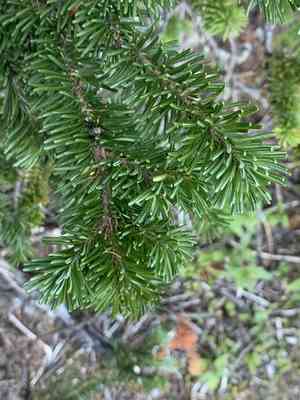
Subalpine fir (Abies lasiocarpa)
Also known as: Alpine fir, Corkbark fir
The Fraser fir (Abies fraseri) is a fir native to high elevations in North America, particularly in the Appalachian Mountains. It is well-known for its use as a Christmas tree due to its aromatic scent, strong branches, and excellent needle retention. The Fraser fir stands out for its robust nature and appealing appearance.
In This Article
Attributes of Subalpine fir
Lifespan
Perennial
Plant Type
Tree
Plant Height
35 m
Spread
9 m
Leaf Color
Green Blue Gray
Flower Size
8 cm to 15 cm
Flower Color
Yellow Green Purple Lavender
Images of Subalpine fir
Quickly Identify Subalpine fir
1
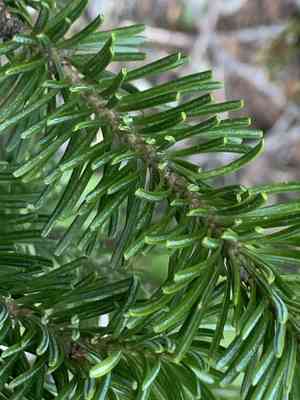
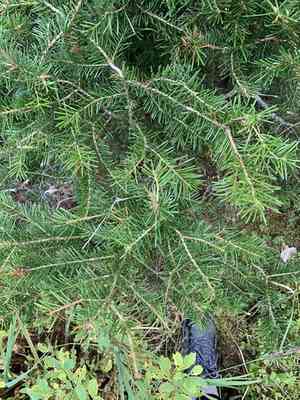
Needle-like leaves, 1-1.5 inches (2.5-3.8 cm) long, with a smooth, slightly waxy texture and pale bluish-green color.
2
Upright seed-bearing cones, 2-4 inches (5-10 cm) long, ranging from deep burgundy to dark brown.
3
Distinctive chalk white bark, initially smooth and becoming ridged, peeling off in small scales.
4
Inconspicuous flowers in the form of cones, pollen cones cylindrical and seed cones purplish when young.
5
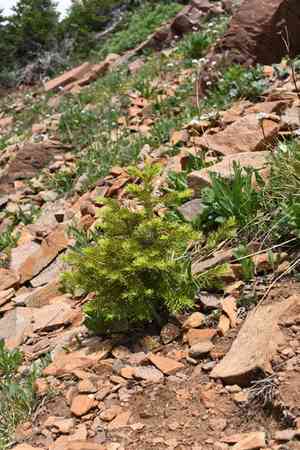
Adapted to cooler, moist conditions, reaching medium to large stature with drooping branches and dense foliage.
Scientific Classification of Subalpine fir
Phylum
Vascular plants
Class
Conifers
Order
Pinales
Family
Pine
Genus
Firs
Species
Subalpine fir
Planting and Growing of Subalpine fir
Care Difficulty
Easy
Watering Schedule
Every 4 days
Sunlight Requirements
Full sun
Sunshine Duration
4-8 hours
Ideal Temperature
55-70℉
Soil Type
Potting Mix, Peat Mix
Soil pH
5-7
Fertilizer Type
Balanced
Pruning Season
Spring, Summer
Pruning Area
Branches, Leaves
Pruning Frequency
2 times a year
Repotting Season
Spring
Pot Type
Plastic, Ceramic
 How to Water Subalpine fir?
For Abies lasiocarpa, ensure the soil is moist but not waterlogged. This means watering thoroughly until water starts to drain from the bottom, ensuring the whole root system is hydrated, but avoid leaving the plant in standing water. Typically, 500 ml should be sufficient to achieve this balance in a well-draining pot.
What are the symptoms of an underwatered Subalpine fir?
›
What should I do if my Subalpine fir is not getting enough water?
›
What are the symptoms of an overwatered Subalpine fir?
›
How to save an overwatered Subalpine fir?
›
 What Are the Sunlight Requirements for Subalpine fir?
The ideal light range for Abies lasiocarpa is full to partial sunlight. This ensures the tree maintains robust health with vibrant foliage and enhanced natural defenses.
More About Sunlight Requirements Techniques→
What is the preferred sun exposure for Abies lasiocarpa?
›
How to achieve the ideal lighting conditions?
›
What are the benefits of ideal lighting conditions?
›
 What Is the Ideal Temperature Range for Subalpine fir?
The ideal temperature range for Abies lasiocarpa is between 55°F and 70°F. Temperatures within this range support optimal growth and help maintain the plant's health and vigor. Providing these conditions ensures vibrant foliage and steady development.
 What Soil is Best for Subalpine fir?
Abies lasiocarpa thrives in well-drained soil, which prevents waterlogging and root rot. This ensures the tree remains healthy and its roots receive adequate oxygen, leading to robust growth. Nutrient-rich soil provides essential elements like nitrogen, phosphorus, and potassium, which are vital for the healthy development of Abies lasiocarpa, promoting lush foliage and strong trunk growth. While requiring good drainage, the soil should also retain some moisture to provide consistent hydration. This balance supports steady growth and resilience against drought.
 How to Fertilize Subalpine fir?
For Abies lasiocarpa, the amount of fertilizer should be modest. Use a balanced, slow-release fertilizer, applying approximately 1 pound per 100 square feet of the planting area annually. This amount supports healthy growth without overwhelming the plant with excessive nutrients.
 How to Prune Subalpine fir?
Start by inspecting the tree to identify any dead, damaged, or diseased branches. Using clean, sharp pruning shears, cut these branches back to their point of origin. For shaping, focus on maintaining the tree's natural cone shape by trimming selectively to promote a well-balanced growth pattern. To enhance the aesthetic appeal of Abies lasiocarpa, carefully trim the outermost growth. This ensures that the tree maintains its desirable density and form. Always cut just above a healthy bud or side branch to encourage vigorous new growth in the desired direction.
More About Pruning Techniques→
 How to Propagate Subalpine fir plant?
1
Seeds should be collected from mature cones once they have dried and opened naturally. Ensure the seeds are fully matured for the highest rate of successful germination.
2
Select healthy, non-flowering shoots of about 5-10 inches long. Cut at an angle, and strip the lower leaves to expose nodes where roots will form.
3
Choose compatible rootstock and scion. Make a clean, diagonal cut on both, align the cambiums, and secure with grafting tape to encourage successful fusion.
 How to Repot Subalpine fir plant?
1
Repot Abies lasiocarpa when you notice that its roots are emerging from the drainage holes or when growth appears stunted. This usually means the plant has outgrown its current pot and requires more space to thrive. The best time to repot is during its active growth periods, in spring or early summer, ensuring it has the energy to recover and establish quickly.
2
Select a pot that is one size larger than the current one and has ample drainage holes. The additional space will accommodate root growth, while good drainage is critical to prevent waterlogging, which can lead to root rot. A sturdy, well-ventilated container encourages healthy development of Abies lasiocarpa.
3
Opt for a well-draining, acidic soil mix that mimics the natural environment of Abies lasiocarpa. This type of soil helps in maintaining the correct pH level and retains moisture without becoming waterlogged, maximizing nutrient uptake while preventing root-related issues.



