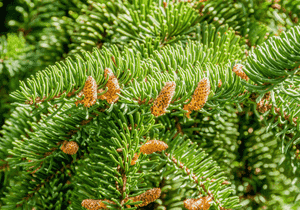
Caucasian fir (Abies nordmanniana)
Also known as: Trojan fir, Turkish fir
The Caucasian fir (Abies nordmanniana) is indigenous to the mountainous regions of the Caucasus and northeastern Turkey. Adapted to cold climates, it generally reaches heights of about 15 meters, although it can grow up to 61 meters. Younger trees are commonly used as Christmas trees.
In This Article
Attributes of Caucasian fir
Lifespan
Perennial
Plant Type
Tree
Plant Height
12 m to 18 m
Spread
4.5 m to 8 m
Leaf Color
Green White
Flower Size
N/A
Flower Color
Red Green
Images of Caucasian fir
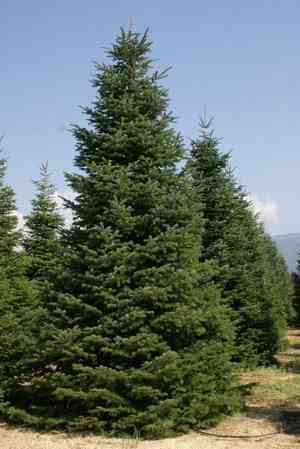
Quickly Identify Caucasian fir
1
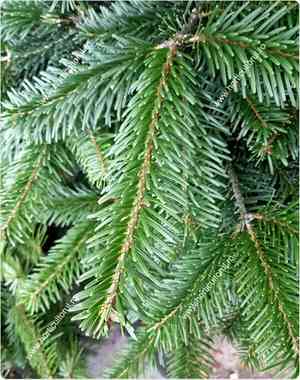
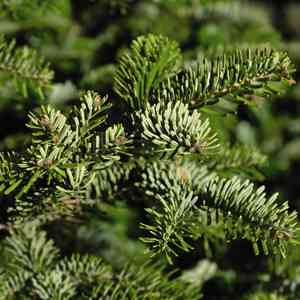
Needles with white stripes, black-green coloration, and circular leaf scars.
2
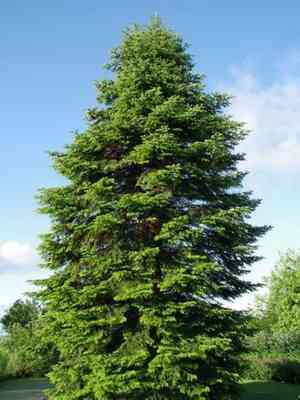
Dense canopy with long cones measuring 6 inches (15 cm) in length.
3
Robust, dark reddish-brown upright cylindrical seed cones with unique dehiscence pattern.
4
Flattened glossy dark green needles with two white longitudinal stripes and blunt tips.
5
Smooth, dark grayish-brown stem with symmetrical horizontal branching and non-resinous buds.
Scientific Classification of Caucasian fir
Phylum
Vascular plants
Class
Conifers
Order
Pines and allies
Family
Pine
Genus
Firs
Species
Caucasian fir
Planting and Growing of Caucasian fir
Care Difficulty
Easy
Watering Schedule
Every 3 days
Sunlight Requirements
Full sun
Sunshine Duration
4-8 hours
Ideal Temperature
45-65℉
Soil Type
Potting Mix, Peat Mix
Soil pH
6.5-7.5
Fertilizer Type
Balanced
Pruning Season
Spring, Summer
Pruning Area
Branches, Leaves
Pruning Frequency
2 times a year
Repotting Season
Spring
Pot Type
Plastic, Terracotta
 How to Water Caucasian fir?
When watering Abies nordmanniana, aim for a thorough soak so that the water reaches the roots without leaving the soil waterlogged. This evergreen thrives when soil remains slightly moist, yet well-drained. Watering to the point that there is enough moisture without creating pools on the surface is ideal, typically around 500ml per session.
What are the symptoms of an underwatered Caucasian fir?
›
What should I do if my Caucasian fir is not getting enough water?
›
What are the symptoms of an overwatered Caucasian fir?
›
How to save an overwatered Caucasian fir?
›
 What Are the Sunlight Requirements for Caucasian fir?
Abies nordmanniana prefers full to partial sunlight, ideal for maintaining healthy growth. This range optimizes photosynthesis while protecting the plant from heat stress.
More About Sunlight Requirements Techniques→
What is the ideal lighting condition for Abies nordmanniana?
›
How can I achieve the ideal lighting conditions for this plant?
›
What are the benefits of ideal lighting for Abies nordmanniana?
›
 What Is the Ideal Temperature Range for Caucasian fir?
The ideal temperature range for cultivating Abies nordmanniana, also known as Nordmann Fir, is between 45°F and 65°F. This range provides optimal conditions for growth and ensures the tree's metabolic processes function efficiently. Within this temperature band, the plant can photosynthesize properly and maintain a healthy rate of respiration.
 What Soil is Best for Caucasian fir?
Abies nordmanniana requires soil with excellent drainage properties. This need is crucial as it prevents root rot by avoiding waterlogged conditions. The benefit of such soil is that it supports healthy root development which is vital for the tree's overall growth and stability. A moderately fertile soil helps Abies nordmanniana to thrive. It should be enriched with nutrients but not overly fertile, as rich soil can lead to excessive vegetative growth and weak structure. This balance is essential for sustained healthy growth of the tree. Abies nordmanniana performs best in soils with a pH ranging from 6.5 to 7.5. This range allows for optimal nutrient uptake and prevents issues related to nutrient deficiencies or toxicities, promoting robust and healthy growth.
 How to Fertilize Caucasian fir?
When fertilizing Abies nordmanniana, it's important to use a moderate amount of fertilizer to avoid over-nourishing. A general guideline is to apply 50 grams of a balanced, slow-release granular fertilizer per square meter of soil. Adjust based on plant growth and soil nutrient content.
 How to Prune Caucasian fir?
Start by removing any branches that are dead, diseased, or damaged. This not only improves the overall appearance of the tree but also prevents the spread of disease and allows for better air circulation throughout the foliage. After dealing with unhealthy branches, focus on shaping. Trim the branches to enhance the tree's natural conical shape. Always cut just above a bud or lateral branch to encourage balanced growth and avoid leaving stubs. Pay attention to the tree's crown by reducing its overall height if necessary. Be careful not to remove more than one-quarter of the tree's total foliage in a single season, as this can stress the tree significantly.
More About Pruning Techniques→
 How to Propagate Caucasian fir plant?
1
Before sowing, soak the seeds in water for 24-48 hours to improve germination rates. This process helps to soften the seed coat and kick-starts the germination process.
2
Sow the seeds in a seed tray filled with potting soil, ensuring they are covered lightly with soil. Maintain consistent moisture by misting the soil regularly and place the tray in a bright, cool location.
3
Once seedlings develop their second set of leaves and are strong enough to handle, carefully transplant them into larger pots. Be cautious to not damage the roots during this process.
 How to Repot Caucasian fir plant?
1
Abies nordmanniana needs repotting when you notice the roots are filling up the current pot or growing out of the drainage holes. Springtime is ideal since this is when the plant starts its growth phase, and repotting won't interfere with dormancy. After repotting, the tree can adjust to its new soil before the growing season fully kicks in.
2
Select a pot that is about 2 inches larger in diameter than the current one. Make sure it has adequate drainage holes to prevent root rot, which is vital for the well-being of Abies nordmanniana. A pot that is too large can hold excess moisture, causing unwelcome saturation that can harm the roots.
3
Use a loamy, well-draining soil mix for repotting Abies nordmanniana, which helps to maintain the right moisture level while providing enough nutrients. Good drainage ensures that the roots are not waterlogged, reducing the risk of rot and supporting healthy root development and tree stability.



