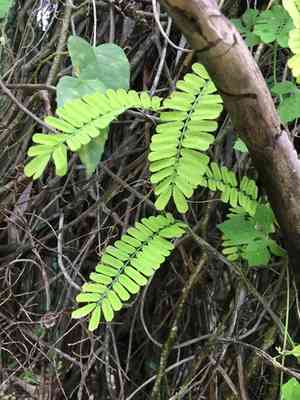
Rosary Pea (Abrus precatorius)
Also known as: Love Pea, Precatory Bean, John Crow Bead, Country Licorice, Wild Licorice, Jumbie Bead, Crab's eye, Indian liquorice
Rosary Pea is among the world's top 10 most poisonous plants. Ingesting a single seed of this plant can be fatal. However, these seeds are prized for making both jewelry and musical instruments.
Attributes of Rosary Pea
Images of Rosary Pea
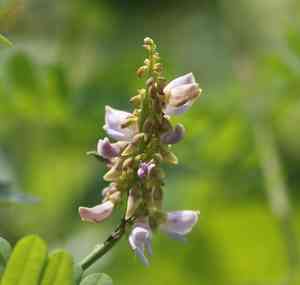
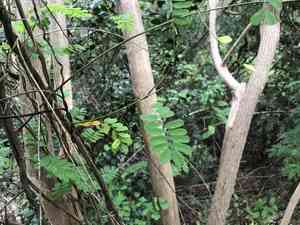
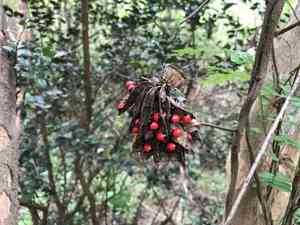
Quickly Identify Rosary Pea
Scientific Classification of Rosary Pea
Toxicity of Rosary Pea
Is Rosary Pea toxic to humans?
The Rosary Pea is a highly toxic plant, known for containing the potent toxin abrin within its seeds. This toxin ranks among the most powerful naturally occurring poisons found in flora and poses a lethal threat if consumed. Abrin accelerates cellular death beyond the body’s capacity to regenerate new cells. Indicators of poisoning include vomiting, nausea, and abdominal discomfort. Additionally, bloody diarrhea may occur, potentially escalating to a severe condition. Consuming larger amounts of the seeds can lead to symptoms such as headaches, lethargy, seizures, hallucinations, fever, irregular heartbeats, organ failure, and can ultimately result in death. Symptoms generally manifest within a few hours; however, they may take up to five days to develop fully.
Is Rosary Pea toxic to cat?
The seeds of the rosary pea are highly poisonous to cats, and consuming them constitutes a medical crisis. Signs of ingestion may consist of vomiting, tremors, elevated body temperature, and rapid heart rate, particularly if the seed coat has been compromised. In such scenarios, there is a significant risk of fatality for your cat, making it crucial to contact a veterinarian right away if you believe these seeds have been chewed or ingested.
Is Rosary Pea toxic to dog?
The seeds of the rosary pea pose a significant toxicity risk to dogs. Ingesting these seeds can lead to severe reactions that may prove fatal; it is crucial to contact a veterinarian immediately if you suspect your dog has consumed this plant. If a dog ingests one or more seeds without breaking the outer shells, it may exhibit no symptoms. However, should the shell be compromised and the toxins released, the consequences can be dire. Signs of poisoning from the rosary pea include vomiting and diarrhea (which may be bloody), fever, increased heart rate, shock, coma, and potentially death.

