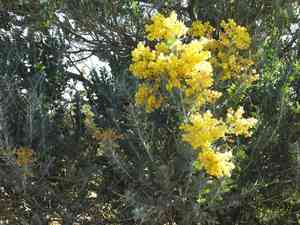
Pearl acacia (Acacia podalyriifolia)
Also known as: Silver-leaved golden wattle, Queensland silver wattle, Queensland wattle
Acacia dealbata, also known as the silver wattle or mimosa, is a rapidly growing evergreen tree native to Australia. It is notable for its abundant, fragrant yellow blossoms and was introduced to western North America in 1908. Often used as an ornamental plant, it has the capacity to form dense thickets that can outcompete and displace native vegetation.
Attributes of Pearl acacia
Images of Pearl acacia
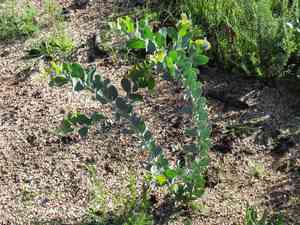
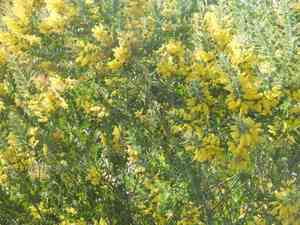
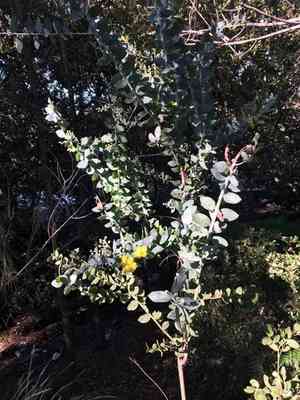
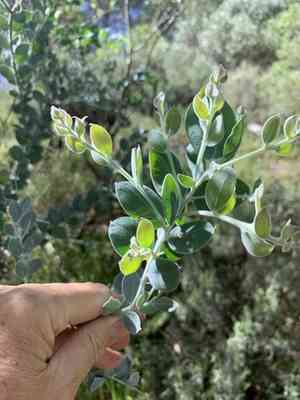
Quickly Identify Pearl acacia
Scientific Classification of Pearl acacia
Planting and Growing of Pearl acacia
 How to Water Pearl acacia?
 What Are the Sunlight Requirements for Pearl acacia?
 What Is the Ideal Temperature Range for Pearl acacia?
 What Soil is Best for Pearl acacia?
 How to Fertilize Pearl acacia?
 How to Prune Pearl acacia?
 How to Propagate Pearl acacia plant?
 How to Repot Pearl acacia plant?
Toxicity of Pearl acacia
Is Pearl acacia toxic to humans?
The pearl acacia plant exhibits a moderate degree of toxicity to humans, mainly through the consumption of its leaves. These leaves harbor hydrogen cyanide, a highly dangerous compound that can impair cellular respiration. Ingesting the leaves of the pearl acacia can result in a range of symptoms including breathing difficulties, dizziness, headaches, and nausea. In severe instances, it may cause convulsions and loss of consciousness. It is essential for individuals to refrain from eating pearl acacia leaves to avoid these harmful health effects. The risk of poisoning is especially pertinent for groups that might encounter the plant and inadvertently consume its leaves.
Is Pearl acacia toxic to cat?
The pearl acacia presents a moderate toxicity risk for felines. Should a cat consume its leaves, which are the plant's toxic components, it could be introduced to hydrogen cyanide. In the event of ingestion, the cat may exhibit symptoms including labored breathing, enlarged pupils, or panting—indicative of systemic distress. It is crucial to supervise cats in proximity to pearl acacia to avert accidental ingestion. If poisoning is suspected, it is vital to seek prompt veterinary assistance to safeguard the cat's health and recovery.
Is Pearl acacia toxic to dog?
Pearl acacia is recognized to possess moderate toxicity for dogs. If canines accidentally ingest this plant, they may be at risk of poisoning. The leaves are the most toxic components of pearl acacia, harboring detrimental substances that can induce poisoning effects. Dogs that consume any part of pearl acacia may show signs such as vomiting, diarrhea, lethargy, or respiratory distress. Should a dog ingest pearl acacia, it is crucial for pet owners to promptly seek veterinary assistance to secure the best possible recovery for their pet.



