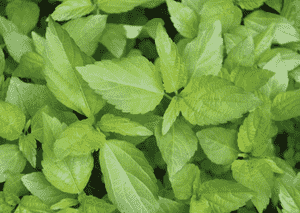
Virginia threeseed mercury(Acalypha virginica)

Virginia threeseed mercury (Acalypha virginica)

Also known as: Three-Seeded Mercury, Virginia Copperleaf

Virginia threeseed mercury (Acalypha virginica) is an annual herb native to the eastern United States. It commonly thrives in disturbed habitats like fields, gardens, and roadsides, as well as in woodland edges and along riverbanks. This plant is not considered endangered and is ecologically secure.

Attributes of Virginia threeseed mercury

Lifespan
Annual
Plant Type
Herb
Plant Height
30 cm
Spread
30 cm
Leaf Color
Green Brown Blue
Flower Size
2.5 cm
Flower Color
Green Yellow

PlantJoy - Identify plants with a snap

Identify and diagnose plants, get toxicity alerts, and explore safety guides for all types of fungi.

Try for Free

Images of Virginia threeseed mercury

Virginia threeseed mercury(Acalypha virginica)

Quickly Identify Virginia threeseed mercury

1
Erect stems, light to medium green, unbranched with moderate fine hairs
2
Alternate, toothed leaves, up to 3 inches (7.6 cm) long, with hints of red
3
Small greenish flowers without petals, clustered insignificant fruit, wind-pollinated
4
Hairy bracts with 10-15 lobes, spike-like staminate flowers, hidden pistillate flowers
5
3-celled seed capsule, ovoid-oblongoid seeds, green to bronze hue, dry papery texture

Scientific Classification of Virginia threeseed mercury

Phylum
Vascular plants
Class
Dicotyledons
Order
Malpighiales
Family
Spurge
Genus
Copperleafs
Species
Virginia threeseed mercury

Planting and Growing of Virginia threeseed mercury

Care Difficulty
Moderate
Watering Schedule
Every 6 days
Sunlight Requirements
Partial sun
Sunshine Duration
6-10 hours
Ideal Temperature
65-75℉
Soil Type
Potting Mix, Peat Mix
Soil pH
6-7.5
Fertilizer Type
Balanced
Pruning Season
Spring, Summer
Pruning Area
Branches, Leaves
Pruning Frequency
2 times a year
Repotting Season
Spring
Pot Type
Plastic, Ceramic

water icon How to Water Virginia threeseed mercury?

Acalypha virginica prefers to be watered deeply but infrequently. The soil should be moist but not saturated. Water the plant with about 200 ml at a time, ensuring that the excess water drains out of the bottom of the pot to avoid root rot.
What are the symptoms of an underwatered Virginia threeseed mercury?
What should I do if my Virginia threeseed mercury is not getting enough water?
What are the symptoms of an overwatered Virginia threeseed mercury?
How to save an overwatered Virginia threeseed mercury?

sunlight icon What Are the Sunlight Requirements for Virginia threeseed mercury?

Sunlight Requirements: Partial sun, Full sun
Duration of light: 6-8 hours daily
Acalypha virginica ideally flourishes under partial to full sun settings. This light range supports strong photosynthetic activity, encouraging lush growth and adaptability to fluctuating light conditions.
Optimal Lighting Duration
Balancing Light Exposure
Morning Sunlight Benefits

temperature icon What Is the Ideal Temperature Range for Virginia threeseed mercury?

Ideal Temperature: 65 ~ 75℉
The optimal temperature range for cultivating Acalypha virginica is between 65°F and 75°F. Within this range, the plant can grow robustly, ensuring healthy foliage and steady development. This moderate climate allows for optimal physiological processes and proper moisture balance.

soil icon What Soil is Best for Virginia threeseed mercury?

Soil type: Loam, Sandy loam
Soil PH: 6 ~ 7.5
Acalypha virginica thrives in well-drained soils. Proper drainage prevents root rot and promotes healthy root development, resulting in vigorous plant growth. This plant benefits from nutrient-rich soil, which ensures it has access to essential minerals. This contributes to lush foliage and robust growth. Acalypha virginica prefers soil that retains some moisture but is not water-logged. This balance helps maintain hydration without risking fungal diseases.

fertilize icon How to Fertilize Virginia threeseed mercury?

Fertilizer type: Balanced
When fertilizing Acalypha virginica, use a balanced liquid fertilizer at half-strength. Ensure that the soil is adequately moist before applying liquid fertilizers to avoid root burn. For solid fertilizers, spread a light layer evenly over the root zone.

prune icon How to Prune Virginia threeseed mercury?

Pruning Time: Spring, Summer, Autumn
First, inspect the plant to identify branches that need trimming. Start by cutting away any sickly or dead branches at a 45-degree angle to promote healing. Next, trim back around a third of the growth to maintain the plant’s desired shape while encouraging bushier foliage. Always step back periodically to assess your progress and adjust as needed. Avoid excessive pruning, which can stress the plant and inhibit growth. Gradual and systematic trimming is ideal. Ensure cuts are clean to prevent fungal diseases. After pruning, water the plant adequately and consider applying a balanced fertilizer to support recovery and healthy growth.

propagate icon How to Propagate Virginia threeseed mercury plant?

Propagate Time: Spring, Early spring
1
Use a well-draining potting mix that is rich in organic matter. The soil should be moist but not waterlogged. This provides a healthy medium for seeds or cuttings to root and establish.
2
For seed propagation, distribute the seeds evenly over the moist soil surface and lightly cover with a thin layer of soil. Ensure they have adequate light and warmth for optimal germination.
3
Select a healthy parent plant and use pruning shears to take 4-6 inch cuttings from non-flowering stems. Remove the leaves from the lower half of the cutting and dip the cut end in rooting hormone for better success.

repot icon How to Repot Virginia threeseed mercury plant?

Repotting frequency: Every 1-2 years
1
Repot Acalypha virginica when you notice stunted growth, roots emerging from the pot's drainage holes, or the soil drying out too quickly. These signals indicate that the plant has outgrown its container and needs more space to flourish.
2
Select a pot that is 1-2 inches larger in diameter than the current one. This allows the roots more room to grow without overwhelming the plant. Ensure it has good drainage holes to prevent waterlogging, which can lead to root rot.
3
Opt for a well-draining potting mix, rich in organic matter, to support healthy root development. This type of soil prevents water retention, reducing the risk of root diseases and providing a nutrient-rich environment for your plant.

PlantJoy - Identify plants with a snap

Find the best spots for them to optimize their health, simply using your phone.

Try for Free

Toxicity of Virginia threeseed mercury

Is Virginia threeseed mercury toxic to humans?

Various sources indicate that virginia threeseed mercury possesses mild toxicity when consumed, as ingesting its sap or juice may lead to symptoms such as vomiting and diarrhea. Consequently, it is prudent to refrain from consuming virginia threeseed mercury to prevent any potential adverse reactions. Moreover, evidence suggests that dermatitis, characterized by red and itchy skin irritation, can result from direct physical contact with the leaves and stems of this plant.

Identify toxic plants for your safety

Learn which plants are harmful to you and your pets, and make informed choices for a safer home!

Try for Free
WARNING
The judgment on toxicity and danger is for reference only. We DO NOT GUARANTEE any accuracy of such judgment. Therefore, you SHALL NOT rely on such judgment. It is IMPORTANT TO SEEK PROFESSIONAL ADVICE in advance when necessary.
More About Toxic Techniques

