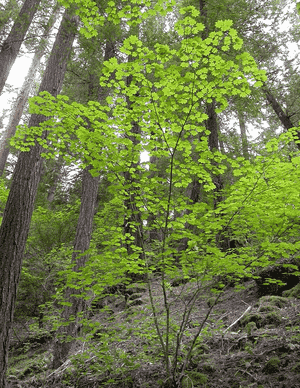
Vine maple (Acer circinatum)
Also known as: Vine Maple
The Bigleaf Maple (Acer macrophyllum) is a species native to the western regions of North America. While it typically thrives in the wild, this tree is also occasionally cultivated for its ornamental value, thanks to its large leaves and vibrant fall colors.
In This Article
Attributes of Vine maple
Lifespan
Perennial
Plant Type
Tree, Shrub
Plant Height
3.5 m to 11 m
Spread
6 m
Leaf Color
Green Red Orange
Flower Size
2.5 cm
Flower Color
White Purple Green
Images of Vine maple
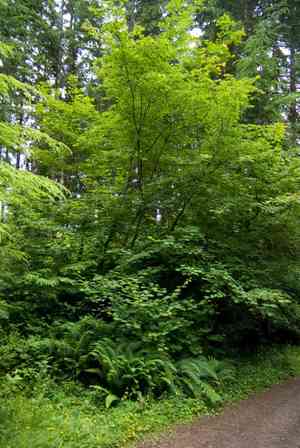
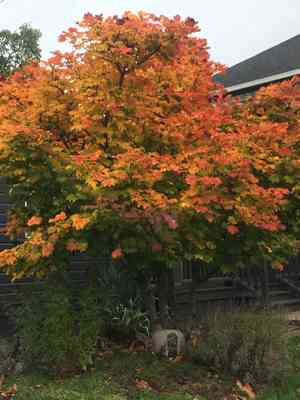
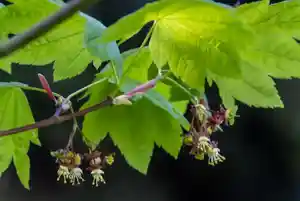
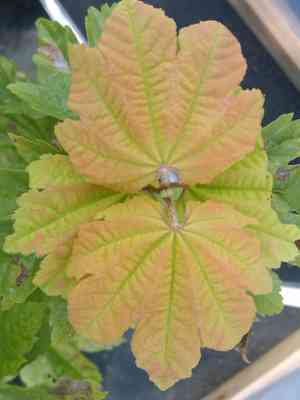
Quickly Identify Vine maple
1
Distinctive vine-like growth habit, reaching up to 20 feet (6 meters) tall.
2
Leaves with palm-like lobes, transitioning from vibrant green to fiery oranges and reds.
3
Deep red sepals and greenish-white petals in clusters of 3-6 flowers.
4
2-winged samaras with smooth, deep red wings, approximately 2 inches (5 cm) long.
5
Smooth, multi-stemmed trunks with dense branching pattern and thin, flexible stems.
Scientific Classification of Vine maple
Phylum
Vascular plants
Class
Dicotyledons
Order
Sapindales
Family
Soapberry
Genus
Maples
Species
Vine maple
Planting and Growing of Vine maple
Care Difficulty
Easy
Watering Schedule
Every 3 days
Sunlight Requirements
Partial sun
Sunshine Duration
6-10 hours
Ideal Temperature
50-75℉
Soil Type
Potting Mix, Peat Mix
Soil pH
6.5-7.5
Fertilizer Type
Balanced
Pruning Season
Spring, Summer
Pruning Area
Branches, Leaves
Pruning Frequency
2 times a year
Repotting Season
Spring
Pot Type
Plastic, Terracotta
 How to Water Vine maple?
For Acer circinatum, water generously to ensure the soil is thoroughly moist but not waterlogged. The aim is to soak the root zone, typically achieved by using around 500 milliliters of water each time. Ensure the water fully penetrates the soil, but avoid creating stagnant areas that might lead to root issues.
What are the symptoms of an underwatered Vine maple?
›
What should I do if my Vine maple is not getting enough water?
›
What are the symptoms of an overwatered Vine maple?
›
How to save an overwatered Vine maple?
›
 What Are the Sunlight Requirements for Vine maple?
The ideal light range for Acer circinatum is partial sun to full shade. Such conditions support healthy growth, ensuring the foliage remains vibrant and disease-resistant.
More About Sunlight Requirements Techniques→
What is the best environment for Acer circinatum?
›
How can I achieve ideal lighting for Acer circinatum?
›
What are the benefits of ideal lighting conditions for Acer circinatum?
›
 What Is the Ideal Temperature Range for Vine maple?
Acer circinatum thrives best in temperatures ranging from 50°F to 75°F. This range is optimal as it allows the plant to photosynthesize efficiently, promoting healthy growth and vibrant foliage. Temperatures within this range provide a stable environment that is neither too hot nor too cold, reducing stress on the plant.
 What Soil is Best for Vine maple?
Acer circinatum thrives in well-draining soil to prevent root rot. This allows for efficient water absorption without waterlogging, promoting healthy root growth and overall vitality. Rich, organic soil provides essential nutrients for Acer circinatum, supporting robust leaf development and vibrant fall colors. In nutrient-deficient soil, regular organic matter amendments can enhance its growth. Although drainage is crucial, the soil should retain enough moisture to sustain Acer circinatum during dry periods. Mulching can help maintain optimal moisture levels, especially in sandy loam soils.
 How to Fertilize Vine maple?
Acer circinatum, commonly known as the Vine Maple, thrives with a balanced fertilization approach. When applying liquid fertilizer, ensure it is diluted to half the recommended strength to prevent root burn and over-stimulation. For solid fertilizers, use a slow-release formula with an NPK ratio of around 10-10-10, ensuring an evenly spread application over the root zone to support healthy growth without nutrient overload.
 How to Prune Vine maple?
Start by identifying and cutting out any dead, damaged, or diseased branches. This will improve the overall health of the tree and promote new growth. Look for branches that are crossing or overly crowded, which can restrict growth and light penetration. Removing these branches helps maintain an open structure and facilitates healthy foliage. Gently shape the tree by cutting back long branches to an outward-facing bud. This method encourages a fuller canopy and enhances the tree’s natural form while preventing unruly growth.
More About Pruning Techniques→
 How to Propagate Vine maple plant?
1
Harvest seeds from mature Acer circinatum fruits in late autumn. The seeds should be collected when they are fully formed, typically after the samara turns brown and starts drying out on the tree.
2
Select a healthy, mature branch and cut a 6-8 inch segment during the growing season. Ensure the cutting includes at least two leaf nodes as these are crucial for root development.
3
To propagate by layering, select a low-growing branch and gently bend it to the ground, covering the central part of it with soil while keeping the tip exposed. Secure with a U-shaped pin and allow several months for rooting.
 How to Repot Vine maple plant?
1
Look for signs like roots growing out of drainage holes or slowed growth, indicating your Acer circinatum needs repotting. The best times are spring or early summer when the tree is in its growing phase, allowing it to quickly establish in the new soil.
2
Choose a pot that is slightly larger than the previous one, ideally 2-3 inches wider in diameter. This provides enough room for root growth without overwhelming the plant, which can lead to root rot or overwatering issues.
3
Opt for a well-drained organic mix rich in nutrients suitable for maples. Such soil ensures proper drainage, preventing waterlogging, while its richness supports healthy growth, enhancing the vibrancy of your Acer circinatum's foliage.



